





- Interior Design
- Art and Decor
- Art and Design
- Blog
- Decorating Tips
- Design
- Design Concepts
- Design Principles
- Design Services
- Design Styles
- Design Technology
- DIY Home Projects
- Furniture and Decor
- Furniture Design
- Home & Living
- Home and Garden
- Home Decor
- Home Decoration
- Home Design
- Home Improvement
- أثاث وديكور
- الأثاث
- تصميم
- تصميم داخلي
- ديكور المنازل
- ديكورات منزلية
Understanding Interior Design Principles: Balance, Harmony, and Contrast Explained
Introduction to Interior Design Principles
Interior design is both an art and a science that involves creating aesthetically pleasing environments that meet the needs of those who inhabit them. Central to this discipline are three fundamental principles: balance, harmony, and contrast. Understanding how these principles interact is crucial for creating spaces that not only look good but also promote functionality and comfort.
Interior Design Principles play a key role in creating well-balanced and visually appealing spaces. One of the most important Interior Design Principles is balance in interior design, which refers to the distribution of visual weight within a room. It ensures that no single element overwhelms the others, creating harmony throughout the space.
Within Interior Design Principles, balance can be achieved through either symmetry or asymmetry. Symmetrical balance creates a formal and organized appearance, while asymmetrical balance introduces a more dynamic and casual feel. Both approaches are widely used depending on the design style and purpose of the space.
By applying Interior Design Principles effectively, designers carefully consider the placement of furniture, artwork, and decorative elements. This helps establish visual equilibrium and enhances the overall aesthetic, resulting in a cohesive and well-designed interior.
Harmony is another essential principle that focuses on creating a cohesive environment where all components work together seamlessly. It involves the thoughtful selection of colors, textures, and forms that complement one another. When a space embodies harmony, it produces an inviting atmosphere that resonates with the occupants. This principle encourages designers to take a holistic approach, ensuring that every item contributes to the overarching design narrative.
Lastly, contrast is a vital principle that adds depth and interest to interior spaces. It highlights differences between elements, such as light and dark colors or varying textures, to create visual intrigue. Effective use of contrast can transform a monotonous space into a stimulating environment, drawing the eye to focal points and encouraging exploration. By leveraging these three principles of balance, harmony, and contrast, interior designers can craft spaces that are not only beautiful but also functional and engaging.
Exploring Balance in Interior Design
Interior Design Principles include the essential concept of balance in interior design, which refers to the distribution of visual weight within a space to create a sense of equilibrium. Achieving balance is a key part of Interior Design Principles, as it helps craft a cohesive atmosphere where all elements work together harmoniously.
Among the core Interior Design Principles, balance is categorized into three main types: symmetrical, asymmetrical, and radial balance. Each type contributes differently to the overall aesthetic of a room. Symmetrical balance creates a formal and structured look, while asymmetrical balance offers a more dynamic and relaxed feel. Radial balance, on the other hand, organizes elements around a central point, adding visual interest and flow to the design.
By applying Interior Design Principles effectively, designers can ensure that every space feels intentional, visually appealing, and well-structured.
Symmetrical balance is characterized by the arrangement of elements in a mirrored fashion. For example, two identical sofas placed opposite each other with a coffee table in between create a formal and balanced appearance. This type of balance is often used in spaces that aim for traditional or classic styles, ensuring that each side of the room carries equal visual interest.
Conversely, asymmetrical balance involves the placement of dissimilar items that nonetheless achieve a similar visual weight. This might include a large artwork on one side of a room balanced by a collection of smaller decor items on the opposite side. Asymmetrical balance promotes a more relaxed and dynamic atmosphere, making it suitable for contemporary interiors where creativity is prioritized.
Radial balance, on the other hand, emerges from a central point where elements radiate outward in all directions. This can be seen in designs centering around a circular table or a chandelier. Radial balance is effective in large areas like entry halls or dining rooms, fostering a sense of connection and focus within the space.
To achieve balance effectively, one must consider furniture arrangement, color schemes, and spatial distribution. For instance, a heavy piece of furniture can be counterbalanced with lighter elements or strategically placed colors. Both the style and size of furniture play significant roles in this distribution, and careful curation can maintain balance throughout the design. Implementing these principles will ensure your interior space not only feels visually appealing but also functionally intuitive.
The Role of Harmony in Creating Cohesiveness
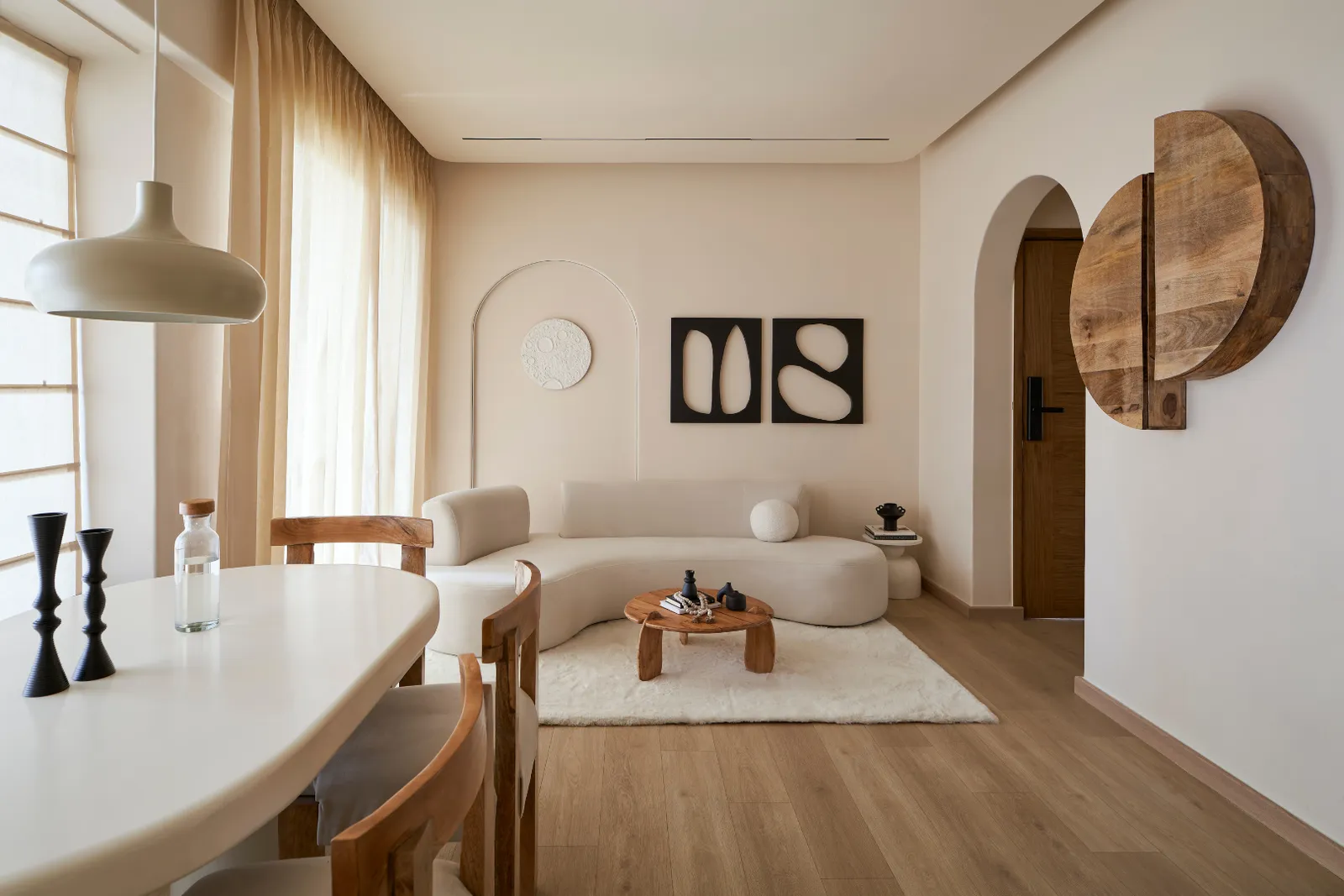
Interior Design Principles emphasize harmony as a critical element for achieving a cohesive visual and emotional experience within a space. Harmony, as one of the key Interior Design Principles, involves the careful selection of elements that complement one another to create a serene and balanced environment.
Within Interior Design Principles, harmony is achieved through the thoughtful use of color palettes, textures, patterns, and design styles that work together seamlessly. This ensures that every component of the space contributes to a unified look and feel.
By applying Interior Design Principles effectively, designers can create interiors that are not only visually appealing but also evoke positive emotional responses from occupants and visitors alike, enhancing comfort and overall experience.
A well-thought-out color palette plays a pivotal role in establishing harmony. When designers choose colors that reside within the same family or those that are adjacent on the color wheel, they encourage a sense of unity and calm. For instance, using varying shades of blues and greens can create a tranquil setting, perfect for areas intended for relaxation. Additionally, textures contribute significantly to achieving harmony; soft fabrics alongside sleek surfaces can create a tactile balance that invites touch and comfort.
Styles also influence the cohesiveness of a space, as blending different design styles can lead to discord if not executed with caution. A harmonious design strategy may include using a dominant style as a foundation, then incorporating subtle elements from other styles to enrich the environment. This approach helps maintain a cohesive look while allowing for personalization and diversity in design.
Moreover, the emotional response of occupants cannot be understated. Spaces designed with harmony in mind often suggest feelings of peace and tranquility, essential for areas such as living rooms, bedrooms, and wellness centers. To achieve this, design strategies may include the integration of natural light, elements that promote fluid movement, and clear visual lines throughout the space.
In conclusion, the role of harmony in interior design cannot be overlooked. It fosters a cohesive atmosphere, enhances emotional well-being, and creates an appealing aesthetic that draws occupants into a world of comfort and balance.
Utilizing Contrast for Visual Interest
Contrast is a fundamental principle in interior design that serves to create visual interest and depth within a space. By juxtaposing differing elements, such as colors, textures, and scales, designers can draw attention to specific areas or features of a room, thereby enhancing the overall aesthetic appeal. This section explores the various dimensions of contrast and provides tips for effective implementation.
One of the most striking ways to utilize contrast is through color. Using a bold hue against a neutral background can significantly elevate a design. For example, vibrant red cushions on a soft beige sofa can make a space lively without overwhelming it. Designers should consider the psychological effects of color as well; cooler shades can impart a sense of calm, while warmer tones may induce energy. The key is to strike a balance that complements the desired atmosphere of the room.
Texture is another powerful vehicle for contrast. Mixing materials such as smooth glass with rough wood or soft textiles can create a rich sensory experience. This interplay not only draws the eye but also encourages touch, inviting occupants to engage with their surroundings. When employing texture contrast, it’s essential to remain mindful of the overall harmony within the space; too many opposing textures can lead to visual noise.
Scale contrast also plays a pivotal role in interior design. A large, statement piece, like an oversized chandelier, can serve as a focal point against smaller furniture. This contrast creates a sense of proportion and enhances visual storytelling within the space. However, care must be taken to ensure these contrasting elements do not compete; rather, they should complement each other, allowing the design narrative to flow seamlessly.
Ultimately, the effective use of contrast can breathe life into interior spaces by highlighting key features and adding layers of intrigue. By thoughtfully integrating color, texture, and scale, designers can craft compelling environments that engage and inspire.
Master Interior Design Principles and transform your space today!
Unlock professional design results—apply Interior Design Principles today!