




- Design Inspiration
- Art and Decor
- Art and Design
- Blog
- Decorating Tips
- Design
- Design and Architecture
- Design Concepts
- Design Principles
- Design Services
- Design Styles
- Design Technology
- Dining Chair
- Dining Room
- DIY Home Projects
- Eco-Friendly Practices
- Furniture and Decor
- Furniture Design
- Home & Garden
- Home & Living
- Home and Garden
- Home Decor
- Home Decoration
- Home Design
- Home Improvement
- Interior Design
- أثاث وديكور
- الأثاث
- تصميم
- تصميم داخلي
- ديكور المنازل
- ديكورات منزلية
Mirrors in Interior Design: How to Enhance Space, Light, and Style
The Role of Mirrors in Interior Design
Mirrors have long held a significant role in interior design, transcending mere aesthetics to become integral components of spatial organization and lighting manipulation. By strategically placing mirrors within a space, designers can effectively create the illusion of larger areas, making them particularly valuable in smaller rooms or apartments. This optical trickery is achieved through their reflective nature, which enables mirrors to bounce light around the room, thus enhancing brightness and creating an airy feel.
The transformative power of mirrors lies not only in their ability to expand visual space but also in their capacity to amplify the existing light sources. Natural sunlight streaming through windows can be harnessed by positioning mirrors opposite them, allowing for a well-lit environment even in areas that may otherwise appear dim. Moreover, mirrors can effectively reflect artificial light from lamps and sconces, adding layers of illumination that contribute to the overall ambiance.
Beyond the functional benefits, mirrors also play a crucial role in defining style and focal points within a room. From classic ornate designs to sleek, modern styles, the choice of mirror can greatly influence the character of the space. For example, a large, round mirror can serve as a statement piece in a minimalist living room, while a gallery of smaller, eclectic mirrors can create a dynamic visual impact in a bohemian-styled area. These diverse options enable designers to not only enhance the utility of mirrors but also to integrate them into the overarching design narrative of the space.
In summary, mirrors are far more than decorative items; they are vital tools in the arsenal of interior design that can alter perceptions of space, enhance lighting, and contribute to the overall aesthetic appeal of a room.
Techniques for Using Mirrors to Enhance Space
Mirrors in Interior Design hold significant value, serving not only as decorative accents but also as functional tools to manipulate spatial perception and natural light. Mirrors in Interior Design can dramatically transform a room when placed strategically, enhancing both brightness and visual depth.
To effectively incorporate Mirrors in Interior Design, careful attention must be given to placement and size. Positioning mirrors opposite windows allows natural light to reflect throughout the room, amplifying illumination and creating an airy atmosphere. This approach is especially useful in smaller spaces, where Mirrors in Interior Design help make rooms feel larger, more open, and visually balanced.
Using oversized mirrors in smaller rooms is another impactful method to create an illusion of depth. A large mirror can visually expand the space, making it feel more open and inviting. It is advisable to ensure that the mirror’s size harmonizes with the overall dimensions of the room to avoid overwhelming the space. Additionally, layering multiple mirrors can enhance the reflective quality of the area. By clustering several smaller mirrors together, one can create a visually captivating feature that draws the eye and adds complexity.
Furthermore, the choice of mirror frame should align with the established design aesthetic of the room. For a contemporary look, sleek, minimalistic frames may be appropriate, while ornate frames can add a touch of vintage charm to traditional interiors. The finish of the frame can also play a crucial role; a metallic frame may introduce a modern edge, while wood can evoke warmth and nature. Ultimately, mirrors can significantly enhance not just the visual appeal of a space but also its functional characteristics, provided they are utilized thoughtfully.
Mirrors play a pivotal role in interior design, particularly in their ability to manipulate light effectively. By reflecting both natural and artificial light, mirrors can significantly enhance the ambiance of a space. The strategic placement of mirrors allows for the maximization of light, enabling interiors to appear more spacious and inviting.
Natural light can be harnessed by positioning mirrors opposite windows or skylights. This simple technique allows sunlight to bounce off the mirror and radiate throughout the room, creating a brighter environment during daytime hours. For instance, a large mirror above a console table in a sunlit entryway can reflect sunlight into dimly lit corners, thereby invigorating the entire space.
In addition to natural light, artificial lighting elements such as lamps, chandeliers, or candles can be enhanced through the use of mirrors. When light emitted from a lamp strikes a mirror, the reflection multiplies the brightness, illuminating the area more effectively than a single light source alone. This is particularly beneficial in smaller or darker rooms where every bit of light counts. For example, using a decorative mirror in a cozy reading nook can create an inviting atmosphere by amplifying the warm glow from a nearby lamp.
Moreover, mirrors can create a harmonious balance between light and dark elements within a space. By thoughtfully arranging mirrors alongside darker furnishings or walls, one can achieve a contrast that elevates both aspects. This balance not only adds depth to the design but also contributes to the overall visual interest of the environment.
Ultimately, utilizing mirrors to manipulate light is a fundamental principle in interior design. By understanding the interplay between light sources and reflective surfaces, one can enhance the aesthetic appeal while making rooms feel larger and brighter.
Styling with Mirrors: Trends and Inspirations
Mirrors in Interior Design have transcended their traditional roles, becoming both functional elements and key contributors to modern aesthetic appeal. Mirrors in Interior Design are now widely used in contemporary trends that focus on creativity, light enhancement, and spatial expansion.
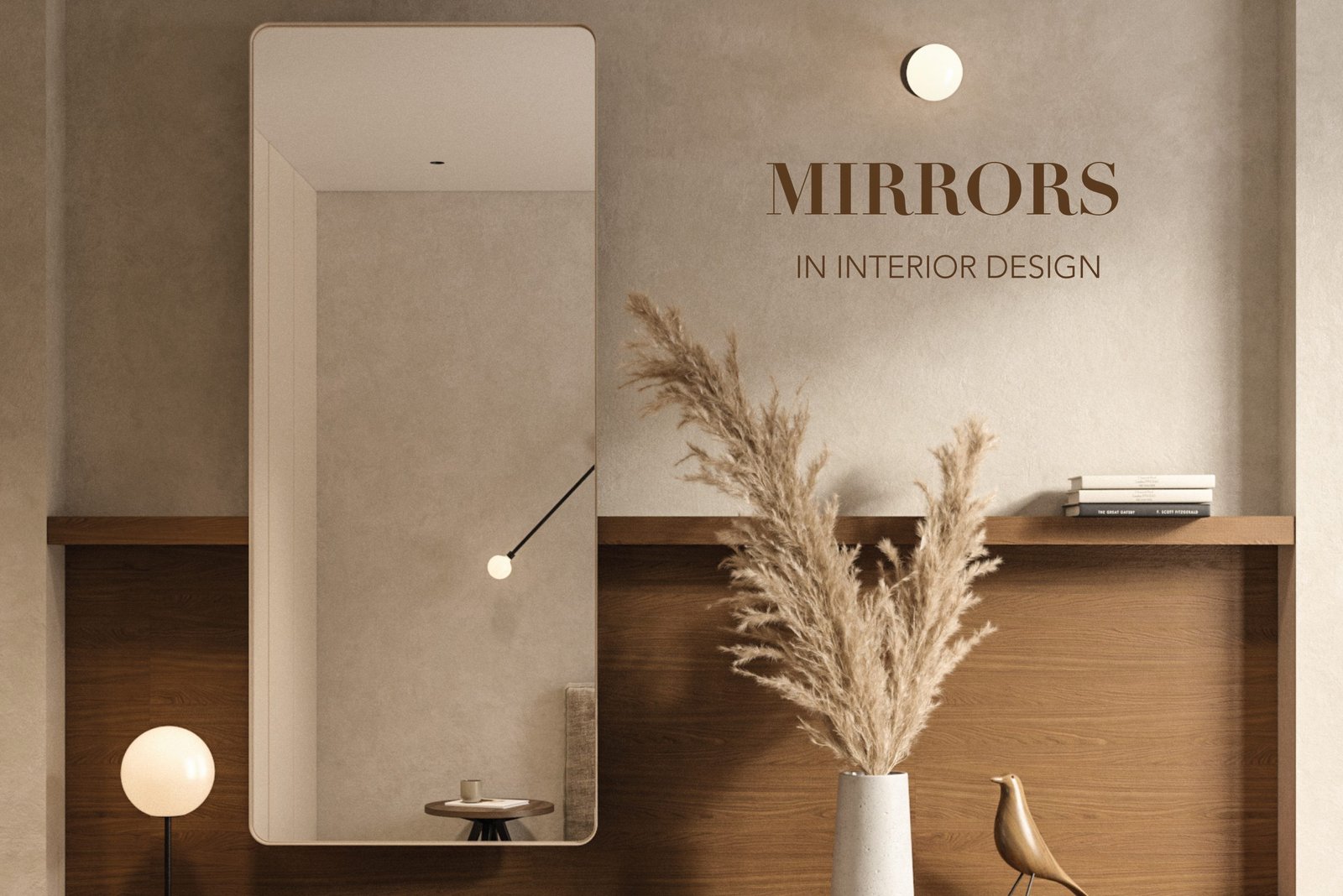
One popular trend in Mirrors in Interior Design is minimalism, which emphasizes simplicity through large, frameless mirrors that reflect natural light and open up the space. This approach is especially effective in small rooms, where Mirrors in Interior Design help create an airy, spacious feel while maintaining a clean and uncluttered look.
On the other hand, bohemian styles embrace a more eclectic aesthetic. Here, mirrors can be integrated in an assortment of sizes and frames, adorned with intricate carvings or vibrant colors. Hanging a cluster of distinct mirrors creates a visually intriguing gallery wall that serves as a focal point and adds depth and personality to the room.
Mirrors in Interior Design are increasingly featured in modern interiors through sleek, geometric designs that emphasize elegance and functionality. Mirrors in Interior Design with metallic or minimalistic frames can be easily incorporated above mantels, sofas, or side tables to capture light and enhance surrounding décor.
Another popular approach in Mirrors in Interior Design is the use of vintage mirrors, which bring charm and character through ornate frames and aged textures. These statement pieces add depth and history to a space, and when used strategically, Mirrors in Interior Design can blend modern and classic styles while creating visual interest and balance.
In addition to traditional placements, DIY projects are gaining traction. Creative homeowners are crafting unique mirror art pieces, combining various materials and frames for personalized décor. This not only allows for self-expression but also fosters a sense of ownership over the space. In summary, the ways to style with mirrors are as varied as the spaces they occupy, and embracing these trends can upliftingly transform any room.
Transform your home with the elegance of Mirrors in Interior Design.