




- Interior Design
- Art and Decor
- Art and Design
- Blog
- Decorating Tips
- Design
- Design Concepts
- Design Principles
- Design Services
- Design Styles
- Design Technology
- DIY Home Projects
- Eco-Friendly Practices
- Furniture and Decor
- Furniture Design
- Home & Garden
- Home and Garden
- Home Decor
- Home Decoration
- Home Design
- Home Improvement
- أثاث وديكور
- الأثاث
- تصميم
- تصميم داخلي
- ديكور المنازل
- ديكورات منزلية
3D Visualization in Interior Design: Bringing Your Dream Spaces to Life
Understanding 3D Visualization
3D visualization refers to the process of creating three-dimensional models using specialized software. This technique is particularly significant in the interior design industry, where it plays a pivotal role in visualizing spaces before they are physically created. As technology has advanced, the capabilities of 3D visualization have expanded significantly, allowing designers to produce highly detailed and realistic representations of interiors, making it a crucial tool in contemporary design processes.
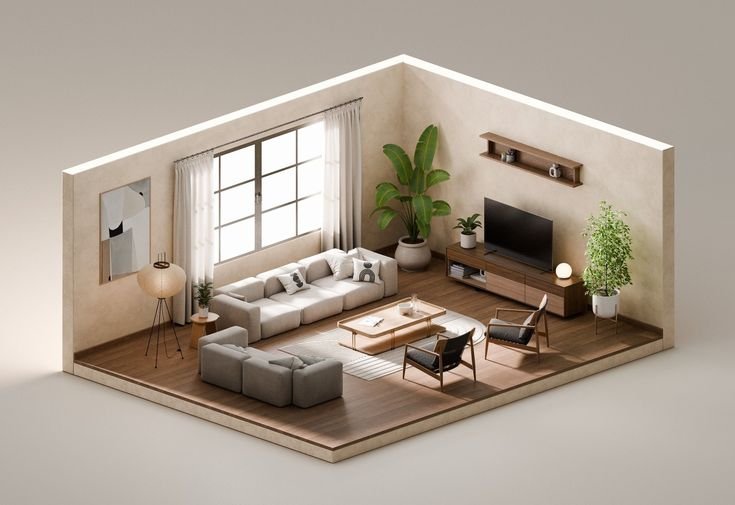
Unlike traditional design methods, which often rely on flat, two-dimensional sketches, 3D visualization provides a more immersive understanding of how a space will look and function. It transforms abstract ideas into tangible visuals, giving designers and clients alike the ability to explore various design options in a simulated environment. Such a shift enhances communication between designers and clients, as it is easier for all parties to gauge the feel and structure of a proposed space.
Advancements in rendering technology have dramatically improved the quality and realism of 3D visualizations. High-definition textures, accurate lighting effects, and dynamic elements within the models can replicate not just the colors and shapes but also the ambiance of a space. With various software tools available, such as Autodesk 3ds Max, SketchUp, and Blender, designers are equipped to handle complex projects with greater efficiency and precision. These tools also allow for real-time modifications, enabling quick alterations based on client feedback, thereby streamlining the entire design process.
Benefits of Using 3D Visualization in Interior Design
Incorporating 3D visualization in interior design projects provides a myriad of advantages that significantly improve the overall design process and client satisfaction. One of the foremost benefits is enhanced communication between designers and clients. Through well-crafted 3D models, clients can visualize the proposed concepts more clearly, reducing the possibility of misunderstandings. This visual representation helps clients express their preferences and concerns more effectively, ultimately leading to better outcomes and stronger designer-client relationships.
Another critical benefit of 3D visualization is improved decision-making. Designers can leverage realistic renderings to explore various design options and configurations, allowing for a more informed selection process. For example, a designer might create multiple layouts for a living room, showcasing different furniture arrangements, color schemes, and material choices. This flexibility aids both designers and clients in evaluating possibilities without the costly implications of physical alterations.
Cost-efficiency is also a prominent advantage of utilizing 3D visualization in interior design. By identifying issues during the visualization phase, designers can avoid unnecessary expenditures related to construction errors, material waste, and overtime labor costs. Additionally, the ability to create virtual walkthroughs and presentations can facilitate quicker approvals from clients, leading to reduced project timelines.
Furthermore, 3D visualization allows for endless experimentation with designs. Designers can easily test various themes, styles, and palettes, fostering innovation in their work. For instance, a designer might collaborate with a client to experiment with a modern minimalist aesthetic versus a cozy rustic style, observing how both resonate within the same space. These benefits underscore the importance and growing prevalence of 3D visualization in modern interior design practices.
The Process of Creating 3D Visualizations
The creation of 3D visualizations for interior design is a multifaceted process that combines creativity with technical skill. It typically begins with gathering initial information about the space to be visualized. This involves a thorough assessment of the client’s requirements, including their style preferences, functional needs, and budget constraints. Designers often engage in discussions with clients to ensure there is a clear understanding of their vision for the space, which serves as the foundational guideline for the subsequent stages.
Once the initial information is collected, the next step is conceptual design. This phase includes sketching preliminary layouts and exploring color schemes, furniture options, and material finishes. These concept sketches help to visualize the overall layout and atmosphere of the interior space. At this stage, the designer can make critical decisions that influence how the end visualizations will appear.
Choosing the right software is a crucial aspect of the 3D visualization process. There are various software programs available, each with unique features that cater to different types of projects. Popular options such as SketchUp, AutoCAD, and Revit are frequently utilized due to their robust capabilities. The selection of software should align with the project requirements and the level of detail needed in the visualizations.
Once the design is established and software is in place, the process progresses to rendering the final images. Rendering is the technical step where the three-dimensional model is transformed into photorealistic images. This stage entails adjusting lighting, textures, and materials to accurately capture the essence of the space. Techniques such as using high-resolution textures and configuring ambient occlusion are vital for achieving lifelike results. Adopting best practices during this phase ensures that the 3D visualizations not only meet the client’s expectations but also serve as an effective communication tool between the designer and client.
Future Trends in 3D Visualization and Interior Design
The field of interior design is undergoing significant transformation, especially with advances in 3D visualization technologies. As designers and clients alike seek more immersive experiences, trends in virtual reality (VR) and augmented reality (AR) are becoming increasingly pivotal. These innovations enable designers to create realistic simulations of spaces, allowing clients to visualize their dream interiors with unparalleled clarity. Through VR, one can walk through a virtual representation of their future home, making modifications on the fly and ensuring the final design meets their expectations.
The arrival of new software tools is revolutionizing the interior design process. Modern programs now offer advanced rendering capabilities, improved user interfaces, and seamless integration with CAD systems. This significantly enhances the quality of visual outputs while streamlining workflows, allowing designers to focus more on creativity rather than technical challenges.
The integration of artificial intelligence into these tools is also becoming increasingly important. AI can suggest design improvements, optimize layouts, and recommend styles based on user preferences and current market trends. As a result, digital design solutions are becoming more efficient, accurate, and user-friendly than ever before.
Sustainability is an ever-growing concern in the architectural and interior design sectors. As clients increasingly seek eco-friendly solutions, the demand for sustainable design practices is raising the bar for 3D visualization. Designers are now challenged to showcase their innovations not only aesthetically but also in terms of their environmental impact. This has led to the development of visualization tools that highlight energy efficiency, material sourcing, and the overall carbon footprint of design choices.
Looking ahead, it is predicted that these trends will significantly reshape the landscape of interior design. By enhancing user experiences and offering immersive visual presentations through advanced technologies, the future of 3D visualization is poised to create a more interactive relationship between designers and clients, ultimately leading to more personalized and satisfying results.
See your future home before it’s built—get your 3D interior design now!
Want to visualize your perfect space? Contact us for expert interior design solutions.