






- Home Design
- Architecture
- Art and Decor
- Art and Design
- Blog
- Decorating Tips
- Design
- Design Concepts
- Design Principles
- Design Services
- Design Styles
- Design Technology
- Dining Chair
- Dining Room
- DIY Home Projects
- Furniture and Decor
- Furniture Design
- Home & Garden
- Home & Living
- Home Decor
- Home Decoration
- Home Improvement
- Interior Design
- أثاث وديكور
- الأثاث
- تصميم
- تصميم داخلي
- ديكور المنازل
- ديكورات منزلية
Kitchen Interior Design Trends to Modernize Your Space
Embracing Minimalism: The Clean and Simple Approach
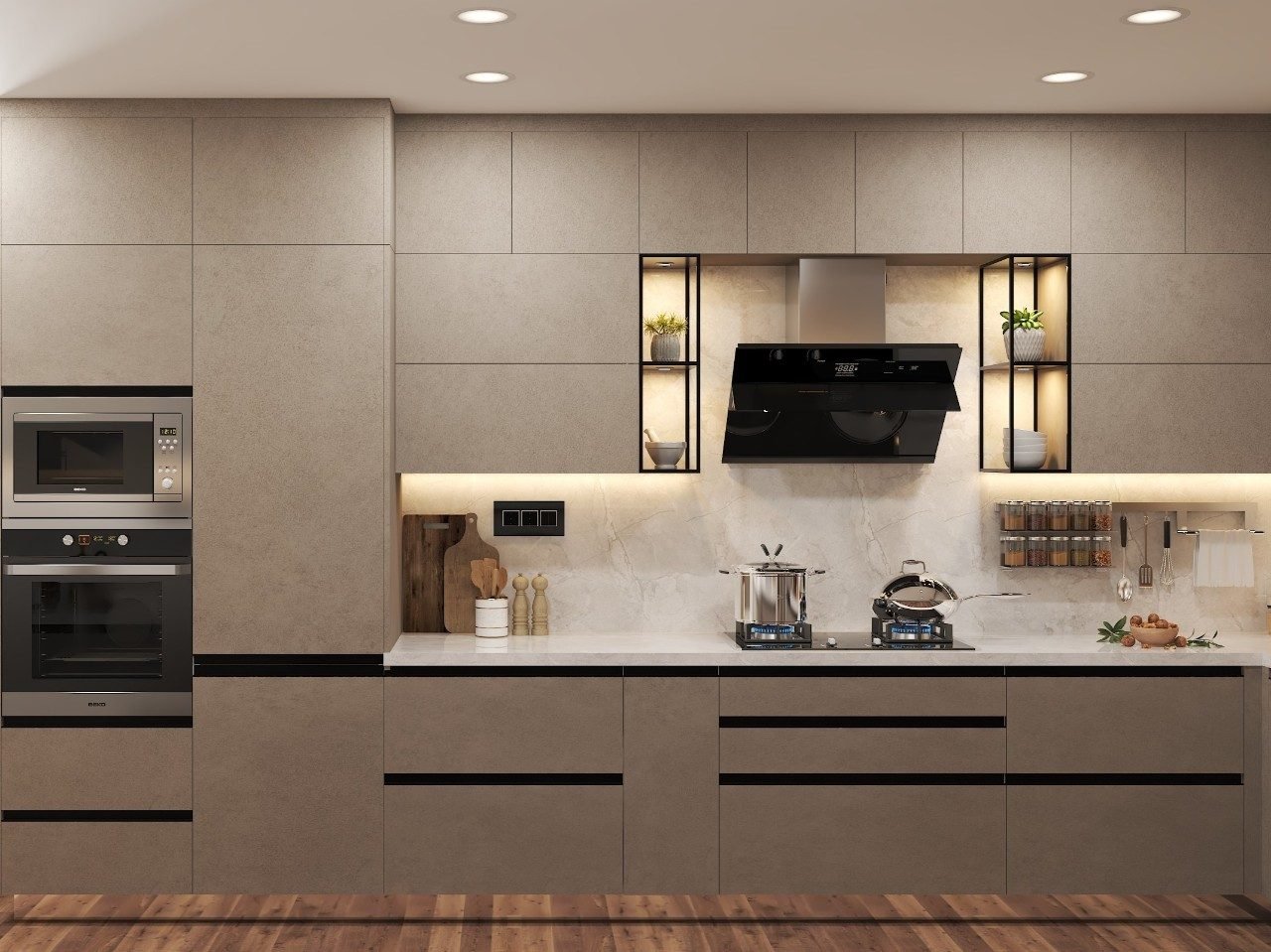
Modern kitchen designs are increasingly featuring minimalism as a prominent trend, reflecting a shift toward cleaner lines and simpler aesthetics. This design philosophy emphasizes the importance of uncluttered spaces that promote functionality and promote a serene atmosphere. In the realm of kitchen interior design, minimalism does not merely refer to a lack of decoration but rather to a considered selection of essential components that serve a purpose while contributing to an overall sense of calm.
One of the cornerstones of Kitchen Interior Design is the integration of effective storage solutions. In minimalist kitchen interior design, smart organizational tools help maintain visual simplicity while ensuring every item has its designated place. For example, using concealed cabinetry or open shelving can enhance the sense of openness, allowing for easy access to utensils without creating clutter. Focusing on practical storage solutions not only contributes to a tidy appearance but also elevates the overall functionality and aesthetic of your kitchen interior design.
Additionally, by focusing on essential kitchen elements, designers often select high-quality materials and neutral color palettes. This fosters an atmosphere of understated elegance while allowing for the beauty of the materials themselves to shine through. Textures, such as matte finishes or natural wood, provide a tactile quality without overwhelming visual simplicity. Sticking to a restrained color scheme further enhances the minimalist approach, helping to create a cohesive and harmonious environment.
In essence, the minimalistic approach in kitchen design champions the idea that less can indeed be more. With thoughtful planning, a minimalist kitchen can transform into an inviting and functional space where every detail harmonizes seamlessly, demonstrating that practicality and aesthetics can coexist effectively.
Bold Colors and Textures: Making a Statement
The modern kitchen has evolved into a vibrant and dynamic space, reflecting the personality of its inhabitants. One of the most notable trends in kitchen interior design today is the use of bold colors and unique textures to create visual interest. This approach to kitchen interior design goes beyond mere aesthetics; it allows homeowners to express individuality while transforming the kitchen into a captivating focal point within the home. By embracing creative materials, finishes, and layouts, modern kitchen interior design balances style and functionality for a truly personalized space.
Vibrant cabinetry has become a popular choice among homeowners aiming to inject life into their kitchens. Traditional muted tones are being replaced by daring hues like deep blues, rich greens, and striking reds. These bold cabinetry colors not only make a statement but also serve as a canvas for complementing elements such as hardware and countertops. The juxtaposition of these vivid shades can elevate the overall ambiance, turning the kitchen into a lively gathering space.
In addition to bold colors, the incorporation of striking wallpaper has become a standout trend in kitchen interior design. Whether featuring whimsical patterns or eye-catching geometric designs, wallpaper can redefine the kitchen’s atmosphere and add personality. In kitchen interior design, it provides an opportunity to experiment creatively without committing to permanent changes. When paired with vibrant cabinets, striking wallpaper creates a harmonious balance that captures attention and enhances the overall aesthetic of your kitchen interior design.
Moreover, creative backsplash materials have transformed standard kitchen walls into pieces of art. Homeowners are now opting for unconventional materials such as glass, metal, and handmade tiles that reflect unique textures. These bespoke backsplashes add depth and character to the space, acting as a stunning backdrop for the entire kitchen setup. Whether through earthy tones or metallic finishes, backsplashes allow for personal expression while simultaneously enhancing the kitchen’s functionality.
In conclusion, integrating bold colors and unique textures in kitchen design not only enhances visual appeal but also allows for personal expression, making the kitchen a true reflection of modern living. Embracing these trends can rejuvenate your space, giving it a fresh and contemporary outlook that stands the test of time.
Smart Technology: Integrating Convenience and Efficiency
The integration of smart technology in kitchen design is revolutionizing the way we experience daily cooking and meal preparation tasks. Smart appliances are at the forefront of this transformation, offering enhanced functionality that not only makes cooking more efficient but also adds a layer of convenience to the kitchen environment. For instance, smart ovens can be controlled remotely, allowing users to preheat the oven on their way home or receive alerts when their meals are ready. These innovations empower homeowners to save time and energy, improving the overall kitchen workflow.
Voice-activated assistants, such as Amazon Alexa or Google Assistant, have become common features in modern kitchens, providing users with hands-free access to a range of functionalities. These devices can set timers, provide recipe guidance, and even manage grocery lists, enabling a more productive cooking experience. As home chefs multitask, having a voice assistant can streamline efforts and minimize the risk of errors during meal preparation.
In addition to convenience, the incorporation of energy-efficient gadgets has made kitchens more sustainable and modern. In kitchen interior design, smart refrigerators that monitor food freshness and reduce electricity consumption exemplify how technology promotes sustainability. These appliances can notify homeowners when items are running low or nearing their expiration date, helping reduce food waste—an increasingly important factor in contemporary kitchen interior design. Moreover, advancements like smart lighting systems allow users to control intensity based on cooking tasks, further enhancing energy efficiency while contributing to a functional and stylish kitchen interior design.
In conclusion, leveraging smart technology in kitchen design not only enhances convenience and efficiency but also promotes safety and sustainability. Homeowners are encouraged to embrace these innovations to create a modern space where technology meets practicality, leading to a seamless culinary experience.
Eco-Friendly Designs: Sustainable Choices in Kitchen Renovation
As the focus on environmental sustainability continues to rise, eco-friendly designs have become a prominent trend in kitchen renovations. Homeowners are increasingly prioritizing the use of sustainable materials and energy-efficient appliances to minimize their ecological footprint while creating a stylish and functional space. This shift towards sustainability not only promotes a greener environment but also enhances the overall aesthetic of the kitchen.
One of the most significant aspects of eco-friendly kitchen interior design is the selection of sustainable materials. Many homeowners are opting for reclaimed wood, bamboo, and recycled metal for cabinetry and countertops. These materials not only add visual interest but also reduce the demand for new resources, conserving forests and minimizing landfill waste. In modern kitchen interior design, surfaces like recycled glass and composite materials are increasingly popular, offering unique designs while promoting sustainability and functionality. Incorporating these eco-friendly choices enhances both the aesthetic and environmental impact of your kitchen interior design.
Energy efficiency is another crucial factor in modern kitchen renovations. Upgrading to ENERGY STAR certified appliances plays a vital role in reducing energy consumption, which not only lowers utility bills but also lessens environmental impact. Key appliances such as refrigerators, dishwashers, and ovens designed for energy efficiency can perform just as well as traditional options while using significantly less power.
In addition to material and appliance choices, innovations aimed at reducing water waste are increasingly integrated into kitchen designs. Utilizing low-flow faucets and water-efficient dishwashers can greatly diminish water usage without sacrificing performance. Rainwater harvesting systems and greywater recycling are also becoming more feasible for residential properties, enabling homeowners to utilize water in a sustainable manner.
Ultimately, adopting eco-friendly practices in kitchen renovation culminates in a harmonious balance between design and environmental responsibility. By implementing sustainable materials, energy-efficient appliances, and innovative water-saving technologies, homeowners can transform their kitchens into eco-conscious spaces, merging aesthetics with sustainability for a better future.