







- Home Improvement
- Architecture
- Art and Decor
- Art and Design
- Blog
- Decorating Tips
- Design
- Design Concepts
- Design Principles
- Design Services
- Design Styles
- Design Technology
- DIY Home Projects
- Eco-Friendly Practices
- Furniture and Decor
- Furniture Design
- Home & Garden
- Home & Living
- Home and Garden
- Home Decor
- Home Decoration
- Home Design
- Interior Design
- أثاث وديكور
- الأثاث
- تصميم
- تصميم داخلي
- ديكور المنازل
- ديكورات منزلية
Upcycling Old Furniture: Stylish and Sustainable Ideas for Every Home
Understanding Upcycling: The Basics and Benefits
Upcycling Old Furniture is the creative process of transforming old or discarded items, particularly furniture, into new and functional pieces. Unlike recycling, which often involves breaking down materials, upcycling enhances the original form, preserving its structure and value. This approach encourages individuals to rethink their relationship with everyday objects, turning potential waste into unique and meaningful creations. By learning how to upcycle old furniture, you can combine style, sustainability, and practicality in your home.
The environmental benefits of Upcycling Old Furniture are significant. By choosing to upcycle old furniture, individuals contribute to waste reduction and sustainability. Landfills are increasingly filled with furniture and other bulky items that could have been repurposed. By embracing Upcycling Old Furniture, these materials are diverted from landfills, minimizing the demand for new resources and conserving the natural environment. Furthermore, producing new furniture typically involves high energy consumption and carbon emissions. By upcycling, one reduces the overall carbon footprint associated with manufacturing processes while promoting stylish and functional home décor.
Beyond environmental advantages, upcycling also has notable social and economic impacts. It fosters creativity and individuality, allowing individuals to express their unique styles through customized furniture pieces. In a world where mass production often leads to homogeneity, upcycled items stand out as distinctive and personalized creations. Additionally, upcycling can result in substantial cost savings. Rather than purchasing new, expensive furniture, individuals can choose to refurbish or creatively alter existing items, thereby reducing household expenses while maintaining style.
Ultimately, understanding the concept of upcycling, comprising its definition and benefits, highlights its importance in both environmental sustainability and personal expression. The practice serves as a valuable solution to combatting waste and promotes a mindset that values creativity over consumerism.
Creative Upcycling Ideas for Different Furniture Types
Upcycling old furniture not only promotes sustainability but also allows individuals to personalize their living spaces. Below, we explore innovative and stylish ideas for transforming various furniture types, offering practical steps and materials needed to achieve a trendy aesthetic.
Chairs: One popular upcycling idea is converting an outdated wooden chair into a vibrant accent piece. To achieve this transformation, start by sanding down the chair to remove any old paint or varnish. Next, apply a fresh coat of bright chalk paint for a matte finish. To elevate the design, consider adding a stenciled pattern or decoupage using colorful patterned paper. Finish by sealing the paint with a clear wax for durability. This easy DIY process revitalizes chairs and adds a unique touch to your home.
Tables: Old tables, particularly those with a sturdy structure, offer great potential for upcycling. A coffee table can be transformed into a chic ottoman by removing the top and replacing it with a padded, upholstered surface. Select fabric that complements your decor, and secure it using a staple gun. This upcycled table not only provides additional seating but also serves as a stylish central piece in the living room.
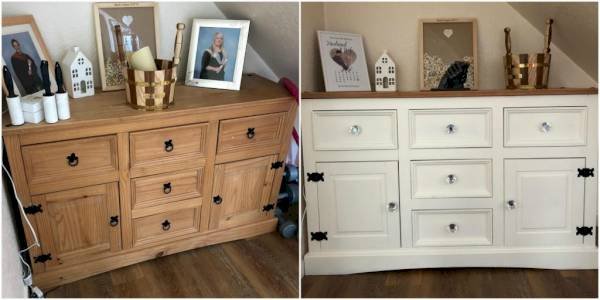
Dressers: Vintage dressers can be refreshed by painting the entire piece in a soft pastel hue. To emphasize the transformation, consider updating hardware with modern knobs and handles. Additionally, experimenting with an ombre effect paint technique can yield stunning results. Line the drawers with decorative wallpaper to add a surprise element when opened. This approach maintains functionality while enhancing the overall aesthetic.
Cabinets: Old cabinets can also be reimagined. By removing the doors and adding decorative fabric panels or wire mesh, you can create a stylish open shelving unit. Paint the cabinet in a bold color to make it a focal point in the room. Additionally, enhance it with internal lighting for a dramatic display of items stored inside. These transformations reflect personal taste while offering practical solutions to storage needs.
DIY Tools and Techniques for Successful Upcycling
Upcycling old furniture is a rewarding endeavor that not only enhances the aesthetics of your home but also promotes sustainable living. To successfully navigate this creative process, a thorough understanding of essential tools and techniques is crucial. First and foremost, basic tools such as a screwdriver, hammer, and a paintbrush are indispensable. In addition, a sander or sandpaper is important for preparing surfaces, while a staple gun and fabric scissors are necessary for those looking to reupholster furniture.
Once you are equipped with the right tools, various Upcycling Old Furniture techniques can be explored. Painting is perhaps the most popular method for upcycling old furniture and can completely transform the look of any piece. Choosing a high-quality paint will yield a durable finish. For a unique aesthetic, distressing techniques—sanding down the edges to reveal the underlying materials—can impart a charming vintage character, making Upcycling Old Furniture both stylish and sustainable.
Reupholstering is another valuable skill for anyone interested in Upcycling Old Furniture. This technique allows you to refresh tired chairs or couches by replacing worn-out fabric with a vibrant pattern or color, making upcycling old furniture both functional and stylish. When adding new hardware, such as knobs or handles, it’s essential to select pieces that align harmoniously with the upcycled design, giving your project a cohesive look and demonstrating the full potential of Upcycling Old Furniture.
For beginners, starting small with a simple project allows for gradual skill development in Upcycling Old Furniture. Tutorials available online can provide clear guidance, and practice helps build confidence in your DIY abilities. While engaging in these creative processes, safety should always be a priority. Wearing protective gear, like gloves and goggles, ensures a safer upcycling environment, minimizing potential risks from tools and materials. Embracing these techniques and tools will enhance your Upcycling Old Furniture journey, making it both enjoyable and successful. By learning step-by-step, even beginners can achieve impressive results in upcycling old furniture.
Showcasing Your Upcycled Furniture: Decorating Tips
Integrating upcycled furniture into your home decor not only exhibits creativity but also contributes to a sustainable lifestyle. The key to making these unique pieces shine is ensuring they complement your existing decor while maintaining a balanced and cohesive aesthetic. Start by identifying the overall theme of your interior style; whether it’s bohemian, industrial, or minimalist, this will guide your decorating choices.
For a bohemian style, consider layering textures and patterns when Upcycling Old Furniture. Use vibrant textiles, eclectic accessories, and natural elements to enhance the beauty of your upcycled pieces. For instance, if you have a refinished vintage chair, surround it with handmade cushions and a woven rug to create an inviting reading nook. The goal is to create a warm and personalized space, showcasing the charm and creativity of your upcycled old furniture. Incorporating these elements ensures that Upcycling Old Furniture not only adds functionality but also elevates your home décor with style.
If industrial design is more your style, emphasize raw materials and clean lines. Pair upcycled wood tables or metal shelving with neutral color palettes and geometric shapes. Incorporating metallic accents, such as a distressed lamp or industrial-style accessories, can highlight the uniqueness of your upcycled pieces while keeping the design cohesive and sophisticated.
For those drawn to minimalism, less is often more. Select a couple of standout upcycled items and let them take center stage. Enhance these focal pieces with a restrained color scheme, allowing simplicity to draw attention to the craftsmanship of your upcycled furniture. Use accent decor sparingly—consider a single statement plant or a piece of art to keep the space open and airy.
Ultimately, showcasing your upcycled furniture involves thoughtful consideration of decor themes and balance. By aligning your pieces with your home’s aesthetic and using complementary accessories, you can create a stylish and cohesive environment that reflects your individuality while promoting sustainability.
Transform your home sustainably! Discover easy ways to Upcycle Old Furniture and add personality to your space.