







- Interior Design
- Art and Decor
- Art and Design
- Blog
- Decorating Tips
- Design
- Design and Architecture
- Design Concepts
- Design Inspiration
- Design Principles
- Design Services
- Design Styles
- Design Technology
- DIY Home Projects
- Eco-Friendly Practices
- Furniture and Decor
- Furniture Design
- Home & Garden
- Home & Living
- Home and Garden
- Home Decor
- Home Decoration
- Home Design
- Home Improvement
- أثاث وديكور
- الأثاث
- تصميم
- تصميم داخلي
- ديكور المنازل
- ديكورات منزلية
Wood vs Marble in Modern Interior Design: Choosing the Perfect Balance of Warmth and Luxury
The Allure of Wood in Interior Design
Wood vs Marble in Modern Interior Design is a key consideration when choosing materials for stylish and functional interiors. Wood has long been recognized as a captivating element in interior design, appreciated for its natural beauty and the warmth it imparts to various spaces. Its unique characteristics make wood a go-to material for designers seeking to create an inviting atmosphere. The diverse range of wood types, including oak, maple, walnut, and cherry, allows for an extensive palette of colors and textures, catering to different aesthetic preferences. Each type of wood brings its unique grain pattern and hue, enhancing the visual appeal of interiors.
The warmth that wood introduces can transform a space into a sanctuary of comfort and relaxation in Wood vs Marble in Modern Interior Design. Unlike colder materials such as metal or glass, wood has a tactile quality that invites interaction and fosters a sense of coziness, making it a strong choice in Wood vs Marble in Modern Interior Design comparisons. This is especially beneficial in modern interior design, where creating an inviting environment is paramount. The inclusion of wooden elements, whether in flooring, cabinetry, or furniture, facilitates an overall balance of functionality and comfort within the context of Wood vs Marble in Modern Interior Design.
Wood’s versatility is another key factor that contributes to its popularity in contemporary design. It seamlessly integrates into various styles, from rustic and traditional to minimalist and contemporary. This adaptability allows designers to employ wood in innovative ways, be it through feature walls, accents, or bespoke furniture. Additionally, the sustainability aspect of wood makes it a responsible choice in modern design. Responsibly sourced wood can contribute to eco-friendly interiors, appealing to environmentally conscious consumers.
Durability is also a hallmark of wood, with many types capable of withstanding the test of time with proper care. This longevity makes it a practical investment for modern homeowners. Incorporating wood into interior spaces not only elevates their aesthetic appeal but also promotes a warm, inviting atmosphere ideal for both relaxation and social gatherings.
The Elegance of Marble in Modern Spaces
Wood vs Marble in Modern Interior Design is an essential comparison when selecting materials that define the character of a space. Marble has long been celebrated as an emblem of sophistication and luxury in Wood vs Marble in Modern Interior Design, making it a favored choice for high-end interiors. Its inherent beauty derives from its unique veining patterns and color variations, which can transform ordinary spaces into striking works of art. In Wood vs Marble in Modern Interior Design, marble stands out for its ability to elevate both minimalist and opulent styles. From pure whites to deep blacks and vibrant hues interspersed throughout, the aesthetic qualities of marble provide unmatched versatility that enhances modern interior design concepts.
One of the exceptional characteristics of marble in Wood vs Marble in Modern Interior Design is its durability. As a natural stone, marble is resilient, enduring heavy use without losing its appeal. In Wood vs Marble in Modern Interior Design, marble is often valued for its ability to combine strength with luxury, making it a preferred choice for long-lasting interiors. When properly maintained, its longevity can surpass that of many other materials, allowing it to retain its pristine condition for decades. This practicality, combined with its opulent appearance, ensures that marble can serve as both a stunning feature and a practical investment in any modern interior project within the context of Wood vs Marble in Modern Interior Design.
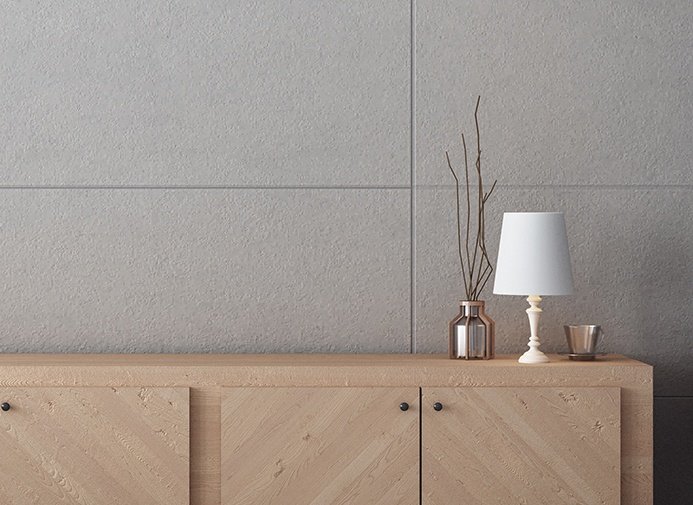
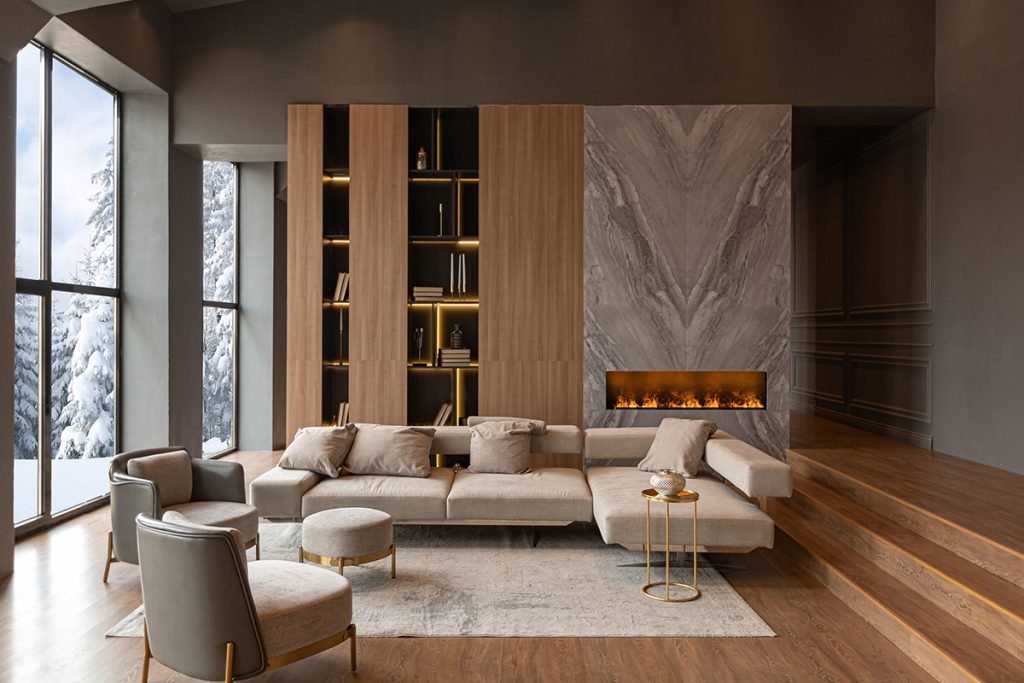
In contrast to the warmth of wood, marble introduces a cooler aesthetic that embodies elegance. This juxtaposition can create a harmonious balance when thoughtfully integrated into a space. For instance, pairing marble surfaces with wooden furniture or accents can enhance the visual intrigue, producing a dynamic interplay between the two materials. Whether used for countertops, flooring, or as statement wall panels, marble can act as a beautiful focal point, captivating attention and elevating the overall atmosphere of a contemporary living area.
The ability of marble to reflect light further amplifies its elegance, creating an inviting ambiance that radiates refinement. Its polished finish enhances luminosity, making spaces feel more open and airy. Therefore, incorporating marble into modern interior design not only enhances the sophistication of a space but also contributes to an overall luxurious experience.
Achieving Harmony Between Wood and Marble
Combining wood and marble in modern interior design can create a space that exudes warmth and luxury. Achieving harmony between these two materials requires careful consideration of various design elements, including color coordination, texture balancing, and spatial arrangement.
One of the key aspects of Wood vs Marble in Modern Interior Design is successfully integrating both materials through coordinated color choices. Choosing a color palette that complements wood and marble can significantly elevate the overall aesthetic in Wood vs Marble in Modern Interior Design projects. For instance, a warm oak wood can pair beautifully with light, creamy marble, while a darker walnut can bring out the richness in deep-veined marble. In Wood vs Marble in Modern Interior Design, selecting hues that create a seamless flow helps maintain harmony and balance throughout the space.
Texture plays a significant role in balancing these materials. Wood is typically characterized by its organic, warm texture, while marble offers a sleek, cool feel. To harmonize them, it is vital to juxtapose these textures thoughtfully. For example, incorporating wooden furniture alongside polished marble surfaces can create visual interest, while rugs with soft textures can soften the transition between the two. Alternatively, using wood paneling to frame a marble fireplace can ensure both materials are highlighted effectively.
Spatial arrangement is another critical element. Modern design often emphasizes open spaces, so consider how both materials will flow within the environment. For instance, a marble entryway leading into wood-floored living areas can establish a welcoming transition. Furthermore, using an area rug can demarcate spaces and allow both materials to coexist without competing for attention.
Case studies illustrate successful design combinations that invoke a sophisticated appeal. For example, high-end restaurants frequently utilize wood accents against marble walls, creating an inviting yet luxurious atmosphere. Such applications serve as inspiration for homeowners looking to incorporate both wood and marble.
Making the Right Choice for Your Space
Choosing between wood and marble for modern interior design involves a careful assessment of various factors that align with personal preferences and functionality. In Wood vs Marble in Modern Interior Design, both materials have distinctive attributes that can significantly influence the ambiance and style of a living space, making it essential to evaluate your unique requirements systematically. Wood vs Marble in Modern Interior Design helps homeowners and designers understand the balance between warmth, texture, and luxury when selecting the ideal material for interiors.
First, consider your budget. Wood options can be more affordable with a wide range of price points, while premium marble can demand a higher investment. Understanding your financial constraints will help narrow down your choices effectively. Assessing the long-term value is also crucial—wood may require periodic refinishing, while marble could involve ongoing sealing and care to maintain its appearance.
Next, think about maintenance. Wood, particularly if sourced sustainably, offers a warm and inviting feel but needs careful upkeep to avoid scratches and moisture damage. Marble, on the other hand, adds a touch of luxury and sophistication but can be prone to staining and requires meticulous maintenance to keep it looking pristine.
Furthermore, reflect on the overall style of your home. Is it designed with a contemporary aesthetic, or does it boast a more traditional vibe? Wood tends to convey a cozy and rustic charm, making it ideal for spaces aiming for warmth. Marble complements opulent styles, emphasizing elegance and grandeur.
Ultimately, the decision between wood and marble should resonate with your individual tastes and lifestyle. Consider how each material fits within your living spaces alongside factors such as functionality, ambiance, and maintenance demands. By carefully evaluating these elements, you can make a well-informed choice that enhances both the aesthetics and practicality of your interior design.
Explore Wood vs Marble in Modern Interior Design and find the ideal material for a stylish modern home.