




- Home Decor
- Art and Decor
- Art and Design
- Blog
- Decorating Tips
- Design
- Design and Architecture
- Design Concepts
- Design Inspiration
- Design Principles
- Design Services
- Design Styles
- Design Technology
- Dining Chair
- Furniture and Decor
- Furniture Design
- Home & Garden
- Home & Living
- Home and Garden
- Home Decoration
- Home Design
- Home Improvement
- الأثاث
- تصميم
- تصميم داخلي
- ديكور المنازل
- ديكورات منزلية
Transforming Spaces: The Role of Glass and Metal in Modern Interior Decoration
The Allure of Glass in Interior Design
The Role of Glass and Metal in modern interior design is significant, as glass has emerged as a vital component with its various types—frosted glass, clear glass, and colored glass—each bringing unique qualities to a space. Clear glass, in particular, is often utilized for its ability to enhance natural light within a room. This transparency can create an airy feel, promoting a sense of openness and fluidity. By allowing light to travel unimpeded, clear glass amplifies the brightness of interiors, which is especially valuable in smaller spaces where an illusion of expansiveness is desirable.
Frosted glass serves a dual purpose—it provides privacy while still allowing light to penetrate. This makes it an ideal choice for bathroom windows or partitions in office environments where confidential discussions might take place. The soft diffusion of light through frosted glass creates a serene atmosphere, making it a popular selection for spaces aimed at relaxation and comfort.
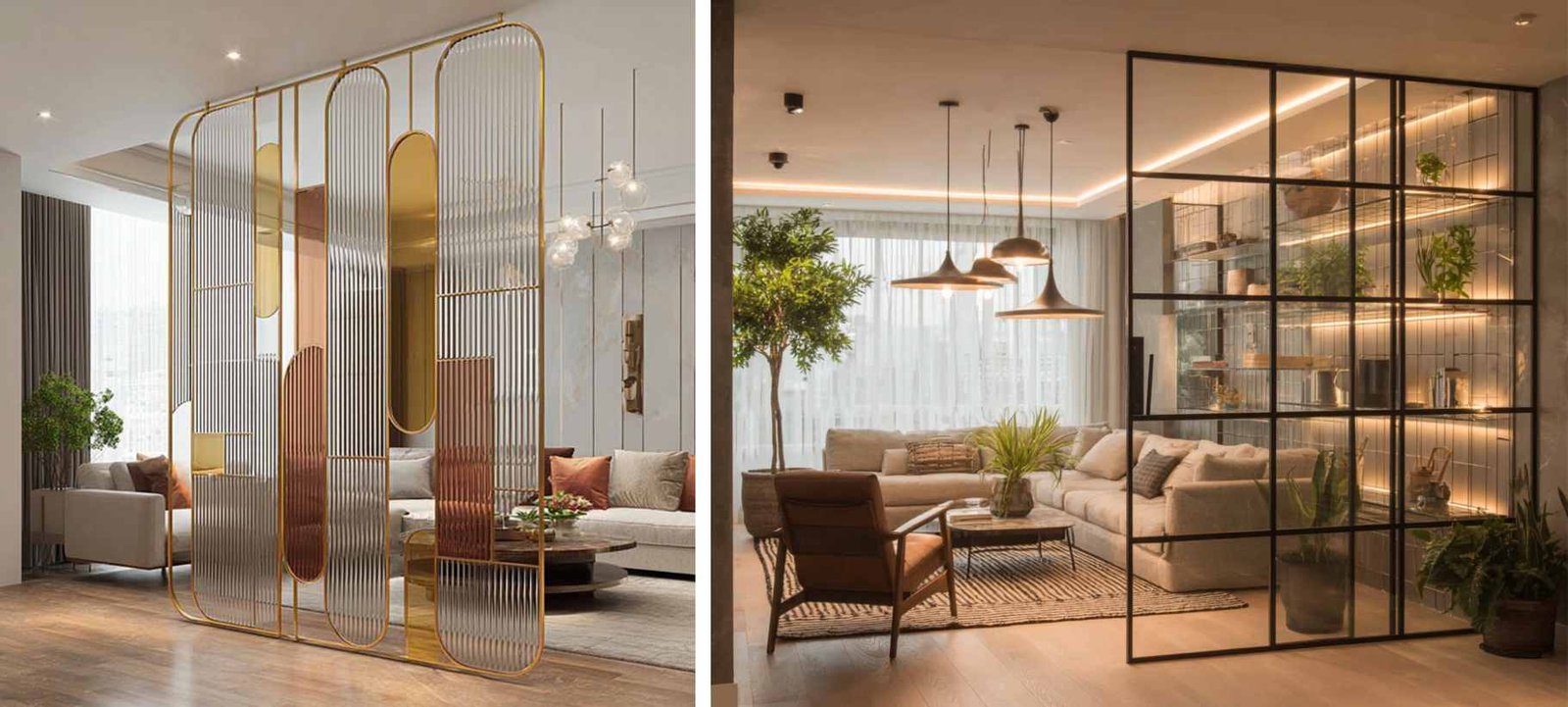
Colored glass, on the other hand, can infuse a room with character and personality. Whether in the form of decorative panels or accent pieces, this type of glass can serve as a focal point in the design scheme. The interplay of light with colored glass can produce mesmerizing effects, captivating the gaze and enriching the aesthetic experience of a room.
Beyond walls and windows, glass can also be integrated into furniture and fixtures. Glass tabletops, shelving, and cabinetry not only contribute to a sleek, contemporary look but also help to minimize visual clutter, allowing other design elements to shine. By incorporating glass, designers can elevate the sophistication of interiors while ensuring practical functionality. The allure of glass in spaces is undeniable, forging a perfect synergy between form and function.
The Power of Metal Accents
In the realm of modern interior decoration, The Role of Glass and Metal is crucial in enhancing the aesthetic appeal of a space. The combination of glass and metal creates a sleek and contemporary look, especially when paired with materials like stainless steel, brass, and copper, which are popular choices among designers and homeowners alike due to their ability to add sophistication and elegance. The Role of Glass and Metal extends across various elements, including furniture, lighting, and decorative objects, making glass and metal a key element in modern interior design creativity.
One effective way to incorporate metal finishes into interior design is through furniture, which highlights The Role of Glass and Metal in creating balanced and stylish interiors. For instance, a dining table with a polished stainless steel base juxtaposed with a traditional wooden top creates a striking balance between modern and classic styles, clearly reflecting The Role of Glass and Metal in design harmony. Similarly, brass accents in chair legs or light fittings can serve to elevate the entire look of a room, providing a touch of luxury without overwhelming the space, further emphasizing The Role of Glass and Metal in enhancing interior aesthetics.
Lighting is another area where metal elements can significantly influence the atmosphere. Pendant lamps with copper finishes or chrome fixtures can serve as striking focal points in a kitchen or dining area. The reflective properties of these metals help in enhancing natural light, creating an illusion of a more spacious environment. Furthermore, using metal frames for mirrors can contribute to a cohesive design while also adding depth to the room.
The integration of metal not only brings elegance but also allows for the creation of contrasts and balances. In spaces that predominantly feature soft textures like fabric and wood, introducing robust metal elements can add a layer of complexity and interest. This interplay between materials is essential for achieving a dynamic interior that feels cohesive yet visually engaging.
Overall, embracing metal accents in interior decoration encourages innovative designs that emphasize both functionality and style. By carefully selecting the right metal finishes and integrating them thoughtfully, one can transform an ordinary space into a sophisticated haven that reflects personal taste and modern sensibilities.
Combining Glass and Metal for a Cohesive Look
The integration of glass and metal in modern interior design highlights The Role of Glass and Metal in creating a harmonious and sophisticated aesthetic. These materials, when combined thoughtfully, not only enhance the visual appeal of a space but also emphasize The Role of Glass and Metal in defining elegance and contemporary style. The transparency of glass beautifully contrasts with the boldness of metal, resulting in a balanced atmosphere that is both inviting and striking, further showcasing The Role of Glass and Metal in modern interior design.
One popular example of this synergy is the glass-topped metal table, which clearly demonstrates The Role of Glass and Metal in modern interior design. This piece effortlessly merges lightweight transparency with sturdy support, making it an ideal choice for dining or coffee tables and highlighting The Role of Glass and Metal in balancing beauty and function. The glass surface allows for maximum light reflection, instantly brightening up the area while the metal base provides durability and strength. Similarly, metal frames for glass cabinets can create a stunning focal point in any room, further emphasizing The Role of Glass and Metal in blending functionality with architectural interest.
In addition to furniture, decorative accents that involve both glass and metal can enhance the overall theme of a space. Lighting fixtures, such as pendant lights or chandeliers, featuring a mix of these materials can create dramatic visual effects while ensuring that the area is well illuminated. Mirrors framed with metal also serve as an exquisite example, providing a striking element that draws attention and reflects light, adding depth to the room.
When striving for a cohesive design that incorporates both glass and metal, consider establishing a consistent color palette and complementary finishes. For instance, pairing brushed metal elements with frosted glass can subtly unify the space while adding a sophisticated touch. Additionally, varying the textures of glass and metal can create more visual interest; think polished metal with etched glass, or clear glass alongside oxidized metal. By thoughtfully selecting and combining these materials, one can achieve a unified, contemporary look that truly elevates interior spaces.
Practical Considerations and Maintenance
Incorporating glass and metal into modern interior design highlights The Role of Glass and Metal in achieving both aesthetic and functional benefits. These materials offer durability, elegance, and versatility, making The Role of Glass and Metal essential in creating interiors that are both visually appealing and practical. However, practical considerations such as cleaning, longevity, and safety play a crucial role in ensuring their appeal remains over time. Understanding these aspects is essential for homeowners aiming to maintain the beauty and safety of their spaces.
Cleaning glass surfaces can often pose a challenge, particularly in high-traffic areas where fingerprints and smudges are prevalent. For optimal results, utilizing a soft microfiber cloth alongside a suitable glass cleaner will effectively remove debris without scratching the surface. Regular maintenance is critical, as a consistent cleaning schedule will enhance the luster and clarity of glass fixtures and furnishings. Additionally, using anti-static treatments can help in reducing dust accumulation, contributing to a polished appearance.
Metal, on the other hand, requires different care based on its type. Stainless steel is known for its resistance to tarnishing but may require routine cleaning to prevent water spots. Opt for a gentle cleaner or a vinegar-water solution for a streak-free shine. For more delicate metals like brass or copper, padded cloths specifically designed for metal care can aid in preserving their gleam without causing damage.
Longevity is another vital aspect; selecting durable materials suitable for homes with children or pets is advisable. In such environments, opting for tempered glass and metals with protective coatings can enhance durability, minimizing the risk of breakage or wear. Choosing these materials ensures that they withstand the rigors of daily life while maintaining their design integrity.
In conclusion, understanding the practical considerations when using glass and metal in interior design will significantly impact their maintenance and longevity. By adopting proper cleaning techniques and selecting resilient materials, homeowners can achieve a stylish yet functional living environment that stands the test of time. The Role of Glass and Metal is especially important in balancing aesthetics with durability, ensuring that interiors remain both elegant and practical over the years.
Transform your interiors now with The Role of Glass and Metal—combine style, strength, and modern elegance in every space.