



- Interior Design
- Art and Decor
- Art and Design
- Blog
- Decorating Tips
- Design
- Design and Architecture
- Design Concepts
- Design Principles
- Design Services
- Design Styles
- Design Technology
- DIY Home Projects
- Eco-Friendly Practices
- Furniture and Decor
- Furniture Design
- Home & Garden
- Home & Living
- Home and Garden
- Home Decor
- Home Decoration
- Home Design
- Home Improvement
- أثاث وديكور
- الأثاث
- تصميم
- تصميم داخلي
- ديكور المنازل
- ديكورات منزلية
Creating Functional and Elegant Living Spaces: Residential Interior Design Solutions
Understanding Functional Design in Residential Spaces
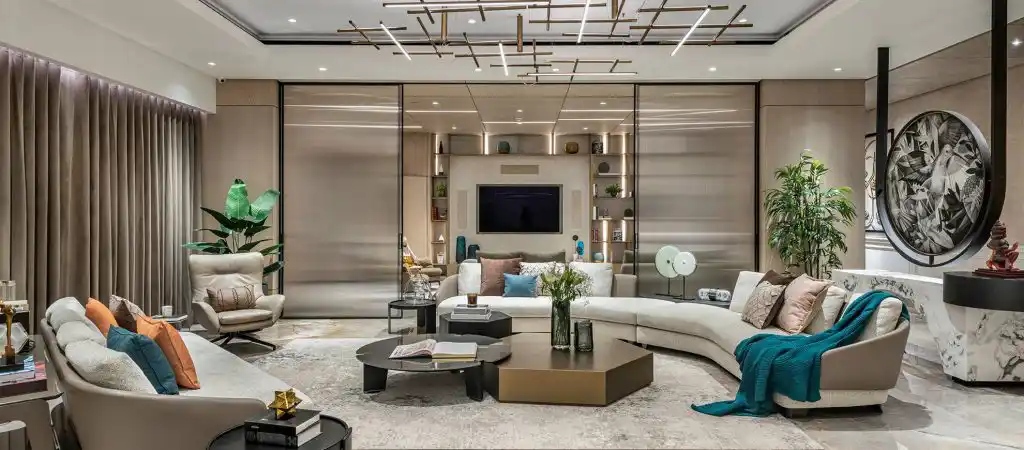
Residential Interior Design focuses on the practical aspects of interior design while ensuring that each area serves its intended purpose. Residential Interior Design emphasizes maximizing space optimization, facilitating movement, and selecting appropriate furnishings that harmoniously integrate function with aesthetics. The essence of Residential Interior Design lies in its ability to cater to the needs of inhabitants while creating a visually pleasing and comfortable living environment.
Space optimization is a critical component of functional design. In many residential settings, space can be limited, necessitating the efficient use of every square foot. Designers can employ various strategies such as multi-purpose furniture, open shelving, and smart storage solutions. By maximizing vertical space and minimizing clutter, homeowners can create an environment that feels more expansive and organized. This not only enhances the overall functionality of a room but also contributes to its visual appeal.
The flow of movement within a residential interior is equally significant. A well-designed space should allow for seamless transitions between rooms and areas, promoting a natural progression through the home. Designers often consider sightlines, traffic patterns, and focal points to achieve this fluidity. By ensuring that there is enough space to move comfortably, inhabitants can engage more readily with their surroundings, creating a livable atmosphere that enhances daily life.
Choosing furniture that aligns with both style and purpose is an integral aspect of functional design. Selecting pieces that offer comfort, durability, and versatility can significantly impact how a space is utilized. For instance, a sofa bed can provide seating during the day and function as a sleeping area at night, illustrating the seamless blend of function and elegance. In this way, furniture choices become pivotal in transforming residential spaces into practical yet stylish environments.
Incorporating Elegance in Interior Design
Achieving elegance in residential interior design requires a thoughtful approach that balances aesthetics and functionality. One of the key components is selecting a cohesive color scheme. Neutral tones, such as soft whites, beiges, and grays, create a serene backdrop that allows other design elements to shine. Accents in deeper hues or metallics can introduce sophistication without overwhelming the space. By adhering to a unified palette, a tranquil and elegant environment is established.
Textures play a crucial role in adding depth and interest to interior spaces. The juxtaposition of various materials can enhance the overall elegance of a room. For instance, pairing a smooth leather sofa with a plush velvet throw creates an inviting contrast that invites touch while maintaining a refined look. Decorative elements like silk curtains or a wool area rug can further elevate the ambiance, giving the space a luxurious feel.
High-quality materials should always be prioritized in residential design. Investing in well-crafted furniture and fixtures not only enhances the elegance of the space but also ensures durability. Consider incorporating natural materials such as marble, wood, or stone, which add intrinsic beauty and timelessness to interiors. Each of these materials carries its own story and character, enriching the space with a sense of authenticity.
Furthermore, applying design principles such as symmetry and balance can significantly enhance the elegance of a room. Arranging furniture in a way that guides the eye throughout the space fosters a flow that feels both intentional and harmonious. Elevating functional items—such as storage solutions—through thoughtful design can maintain aesthetic integrity while addressing practical needs.
Incorporating elegance in residential design ultimately transforms spaces into sophisticated, functional dwellings that reflect the personality of the inhabitants. Careful consideration of color, textures, materials, and layout guides the creation of interiors that are both beautiful and user-friendly.
Balancing Functionality and Aesthetics
Successfully achieving balance between functionality and aesthetics is a crucial aspect of Residential Interior Design. A well-executed Residential Interior Design approach ensures that a space serves both practical needs while also providing visual enjoyment. In professional Residential Interior Design, creating a harmonious living environment begins with proper layout planning. The arrangement of furniture in Residential Interior Design plays a key role in improving movement flow, usability, and overall comfort within a room. Ultimately, effective Residential Interior Design enhances both the practicality and visual appeal of every living space.
One effective strategy involves prioritizing spatial relationships. It is important to ensure that significant areas like seating and dining zones are easily accessible and logically positioned. Moreover, consider the dimensions of each piece relative to the room size; overcrowding a space with oversized furniture can detract from its functionality. Integrating multi-functional furniture—such as ottomans that double as storage or coffee tables that expand into dining tables—can maximize usability while minimizing clutter.
Incorporating decorative elements that enhance both aesthetics and usability adds depth and character to the design. Items like stylish yet practical shelving can display décor while providing essential storage solutions. Additionally, choosing colors and textures that promote a cohesive aesthetic can unify the space. For example, selecting a color palette that complements the natural light in the room can enhance its overall feel, creating a vibrant, welcoming atmosphere.
Lighting plays a pivotal role in emphasizing the blend of function and beauty. Ambient, task, and accent lighting can illuminate areas where practicality is paramount while simultaneously highlighting decorative features. Adjustable lighting options, like dimmers, allow for flexibility, ensuring spaces can adapt for various occasions.
By thoughtfully blending functionality with aesthetic consideration, one can create living spaces that are not only practical but also enriching to inhabit. Striving for this balance is fundamental in achieving residential designs that genuinely resonate with those who use them.
Trends in Residential Interior Design Solutions
The landscape of residential interior design is continually evolving, reflecting a blend of functionality and elegance that meets the demands of contemporary living. As homeowners prioritize comfort and sustainability, several key trends have emerged within this sector.
One significant trend is the adoption of sustainable materials. These materials are not only eco-friendly but also enhance the aesthetic of living spaces. Bamboo flooring, reclaimed wood, and recycled metals are popular choices, as they reduce environmental impact while offering unique textures and rich colors. Integrating such materials into interior design promotes both visual appeal and responsible consumption. As society grows more conscious of environmental issues, this trend appears poised for long-term significance.
Another pivotal innovation is the rise of smart home technology. Devices like smart thermostats, automated lighting, and advanced security systems are changing the way homeowners interact with their spaces. These technologies streamline functionality, enable energy efficiency, and enhance security, all while being seamlessly integrated into the overall design. Intelligent home solutions not only simplify daily tasks but also contribute to a more modern and luxurious living environment.
Furthermore, adaptability in design has become essential as families face evolving needs. Open floor plans have gained popularity, allowing spaces to be multi-functional, accommodating everything from family gatherings to home offices. Furniture that can be easily reconfigured or expanded—like modular sofas and extendable dining tables—supports dynamic living situations without compromising on style.
As these trends in residential interior design continue to develop, they illustrate a commitment to enhancing everyday life through aesthetic and practical solutions. Homeowners can look forward to future advancements that prioritize comfort and elegance, redefining the way we experience our living spaces.
Explore Residential Interior Design Ideas
Book a consultation for expert Residential Interior Design services today