





- Design and Architecture
- Art and Decor
- Art and Design
- Blog
- Decorating Tips
- Design
- Design Concepts
- Design Principles
- Design Services
- Design Styles
- Design Technology
- DIY Home Projects
- Furniture and Decor
- Furniture Design
- Home and Garden
- Home Decor
- Home Decoration
- Home Design
- Home Improvement
- Interior Design
- أثاث وديكور
- الأثاث
- تصميم
- تصميم داخلي
- ديكور المنازل
- ديكورات منزلية
Effective Space Planning: Maximizing Your Environment
Understanding Space Planning
Space planning refers to the strategic arrangement of spaces within an environment to optimize functionality and aesthetic appeal. Whether in residential or commercial settings, effective space planning is crucial for creating an environment that supports the needs and preferences of its users. In residential design, space planning contributes to a home that feels comfortable and welcoming, enhancing the quality of life. In commercial environments, it plays an exceptional role in boosting productivity and promoting efficient workflows.
To achieve successful space planning, several core principles should be considered. First and foremost is functionality. This principle involves analyzing how space will be used and ensuring that it can accommodate the desired activities. This could range from ensuring adequate circulation paths for employees in an office to establishing seating arrangements that encourage interaction in a living room.
Aesthetics is another key principle. A well-planned space should not only serve a practical purpose but should also be visually appealing. This is achieved through careful selection of colors, materials, and design elements that create a cohesive look. For instance, using harmonious color schemes and complementary furnishings can significantly enhance the perception of space, making it feel both inviting and organized.
Lastly, user experience plays an integral role in space planning. This involves understanding the needs of the individuals who will be using the space. By incorporating input from potential users, designers can create an environment that promotes accessibility and comfort. This may include designing spaces that are easily navigable for individuals with mobility challenges or optimizing lighting and acoustics for enhanced comfort.
Key Components of Space Planning
Effective space planning is multifaceted, encompassing several key components that ensure optimal utilization of the available space. The first critical element is the thorough analysis of the space, which includes understanding its dimensions, shape, and specific characteristics. This foundational assessment allows designers and planners to identify potential limitations and opportunities within the spatial context.
Another vital aspect of space planning involves considering the needs of the occupants. This involves gathering insights into how different individuals or groups will interact with the space, thereby informing decisions related to functionality, comfort, and accessibility. User-centered design influences how spaces are not only organized but also how they facilitate different activities, ensuring a harmonious balance between utility and aesthetics.
Furthermore, zoning and layout strategies play a significant role in the planning process. By creating distinct areas tailored to specific functions—be it collaborative workspaces, private offices, or communal relaxation zones—planners can enhance efficiency within the environment. These zoning strategies are instrumental in managing traffic flow and minimizing distractions.
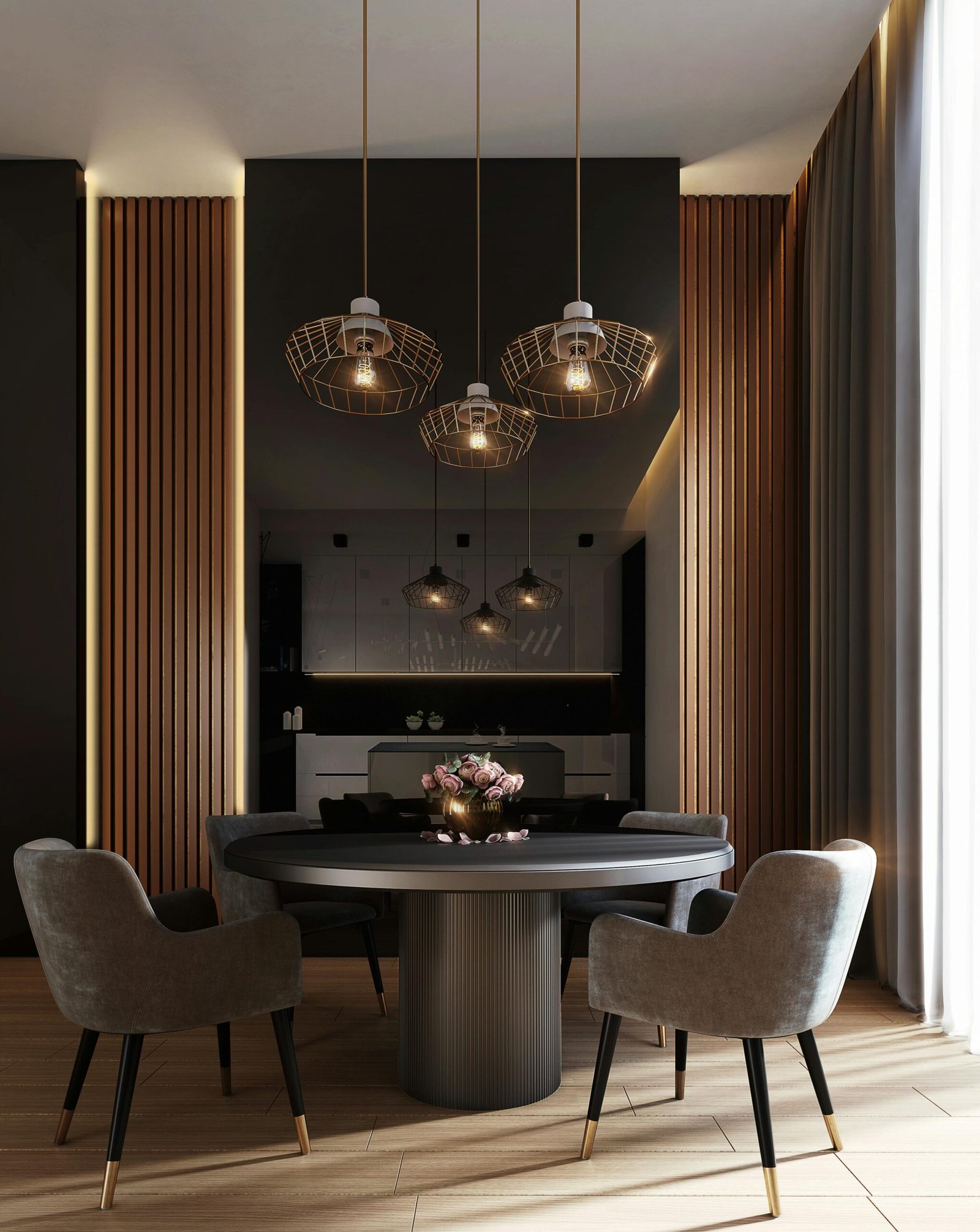
Additionally, the integration of furniture and fixtures must align with the overall vision of the space. The selection of furniture should promote both comfort and accessibility, while also reflecting the intended style and purpose of the environment. This strategic approach ensures that elements are not only beautiful but also serve practical functions.
Lastly, technology now plays an indispensable role in modern space planning. Advanced tools, such as 3D modeling software and data analytics, allow for precise planning decisions, enabling designers to visualize and simulate functionality before implementation. By leveraging such technologies, space planners can optimize layouts to enhance both the aesthetic and operational efficacy of a space.
Common Space Planning Mistakes to Avoid
Space planning is a critical element in both residential and commercial environments, yet many individuals and organizations fall prey to common mistakes that can hinder the effective use of space. One of the most frequent pitfalls is overlooking the flow and movement within a space. Adequate circulation paths are essential to ensure that a space is not only functional but also comfortable. When designing a layout, neglecting to consider how people will move through the environment can lead to congestion and frustration.
Another prevalent error is underestimating the significance of scale and proportion. It is vital for designers to accurately assess the dimensions of furniture, fixtures, and the space itself. Utilizing pieces that are too large or too small for the environment can create a disjointed aesthetic or impair practical usability. For instance, oversized furniture in a small room can make the area feel cramped, whereas too small furniture in a large space can render the area ineffective and uninviting.
Failing to account for future flexibility is also a critical mistake in space planning. As needs evolve, the ability to adapt spaces for different uses becomes increasingly important. A rigid design that does not allow for changes can result in wasted space and resources. It is advisable to incorporate multifunctional elements that can be easily reconfigured or repurposed over time, ensuring that the space remains relevant and efficient according to changing requirements.
By recognizing these common space planning mistakes and implementing strategies to avoid them, individuals and organizations can significantly enhance the functionality and aesthetic appeal of their environments. The awareness of flow, scale, proportion, and future flexibility is essential for successful space planning endeavors.
Trends in Space Planning
In the realm of space planning, several trends are emerging that reflect broader societal shifts and advancements in technology. One significant trend is the influence of remote work. As work-from-home arrangements become increasingly common, the need for flexible and functional home office spaces is paramount. Individuals are seeking to create dedicated work areas within their homes that promote productivity while maintaining a comfortable atmosphere. This shift has encouraged the design of adaptable layouts that can seamlessly transform from workspaces to leisure areas, allowing users to maximize their environments effectively.
Sustainability is another critical consideration that is shaping contemporary space planning. The growing awareness of environmental issues has led designers to incorporate sustainable materials and energy-efficient technologies into their plans. This trend emphasizes the importance of creating spaces that not only serve the immediate needs of their users but also contribute positively to the environment. From using recycled materials to implementing smart home systems, the focus on sustainability enhances the overall functionality and promotes an eco-friendly lifestyle.
Moreover, the rise of multifunctional spaces is revolutionizing how we approach design. As urban living continues to increase, especially in densely populated areas, maximizing limited space has become essential. Multifunctional spaces that serve multiple purposes cater to diverse lifestyles, allowing for flexible designs that can accommodate various activities. This trend encourages creativity, as designers are challenged to merge aesthetics with utility, crafting spaces that are both visually appealing and highly functional.
Overall, current trends in space planning are a reflection of the evolving needs and values of society. By understanding these trends, individuals and designers alike can adapt their approaches to create spaces that remain relevant, effective, and engaging.
Optimize your home with smart space planning—start designing today!
Transform your layout into a perfectly organized space—get started today!