




- Home and Garden
- Architecture
- Art and Decor
- Art and Design
- Blog
- Decorating Tips
- Design
- Design Concepts
- Design Principles
- Design Services
- Design Styles
- Design Technology
- DIY Home Projects
- Eco-Friendly Practices
- Furniture and Decor
- Furniture Design
- Home & Garden
- Home Decor
- Home Decoration
- Home Design
- Home Improvement
- Home Office
- Interior Design
- أثاث وديكور
- الأثاث
- تصميم
- تصميم داخلي
- ديكور المنازل
- ديكورات منزلية
Essential Home Decor Tips 2026: Create Beautiful and Functional Spaces
Understanding Your Space: Assessing Needs and Style
Home Decor Tips start with a thorough assessment of your living space. Evaluating each room helps you determine what is needed and how to create an atmosphere that reflects your personal style. Understanding the functionality of each area is essential; consider the main purposes of the rooms and how they are used daily by household members. For example, a family with children may need a durable yet stylish living area that accommodates both relaxation and play.
Start by measuring the dimensions of your rooms to gain a clear understanding of your available space. Accurate measurements will help you make informed decisions regarding furniture size and layout, ensuring that your selections enhance rather than hinder the flow of the room. Once you have this foundational information, you can create a mood board or digital design plan that visually communicates your ideas and preferences. This process can help clarify your vision and make it easier to select colors, textures, and styles that resonate with you.
Researching different design themes can further aid in identifying your personal style. Browse through design magazines, online platforms like Pinterest, or even visit local design stores to gather inspiration. Whether your style leans toward minimalist, eclectic, or traditional, understanding what appeals to you will be vital in curating a cohesive aesthetic throughout your home. By taking the time to assess your space, consider your needs, and outline your style, you lay a solid foundation for successful and fulfilling home decor.
Choosing the Right Color Palette and Materials
Home Decor Tips emphasize the importance of selecting an appropriate color palette and materials, as these choices significantly affect both aesthetics and functionality. Following expert home decor tips, color psychology should guide your selections: warm colors like reds and yellows create a sense of warmth and intimacy, while cooler shades such as blues and greens encourage tranquility and relaxation. By applying these home decor tips, homeowners can design spaces that reflect their desired atmosphere while balancing style and comfort.
Home Decor Tips for 2026 highlight soft, muted tones as the dominant trend, creating a calm and relaxing retreat from busy daily life. Earthy colors—such as terracotta, sage green, and soft beige—can be paired with natural materials to craft a harmonious environment. Following these home decor tips not only enhances the visual appeal of your space but also fosters a deeper sense of connection with nature, making your home feel warm and inviting.
When utilizing color to influence mood, consider the function of each space. For instance, vibrant colors may be ideal for energizing home offices, while softer shades can enhance the relaxing ambiance in bedrooms. To achieve this level of intentional decorating, it’s vital to test color samples against varied light sources, both natural and artificial. Observing how colors shift throughout the day can help ensure they evoke the desired mood at all times.
The choice of materials is equally important. Natural fibers like cotton and linen can introduce warmth and comfort, while sleek surfaces such as glass and metal can create a modern, sophisticated look. Mixing textures adds depth and interest to a space, prompting a cohesive decor style. Ultimately, by thoughtfully selecting colors and materials, individuals can craft beautiful and functional spaces tailored to their personal style and needs.
Furniture Selection and Layout Optimization
Home Decor Tips emphasize the importance of choosing the right furniture to create both beautiful and functional spaces. When selecting pieces, prioritize multipurpose furniture that enhances the room’s aesthetic while serving practical needs. For example, a sofa bed or an ottoman with storage capabilities can significantly increase functionality in smaller living areas. Applying these home decor tips ensures that every piece contributes to a cohesive, stylish, and practical home environment.
When selecting furniture, consider the scale and proportion of each piece in relation to the size of the room. Oversized couches may overwhelm a compact living space, while tiny furnishings can be lost in a larger area. To achieve a harmonious balance, assess the dimensions of your room and opt for furniture that fits comfortably within, allowing for sufficient walkway space. This strategy prevents clutter and promotes ease of movement throughout your home.
Home Decor Tips suggest arranging furniture strategically to improve flow and accessibility. A well-planned layout encourages social interaction and keeps essential pathways clear. For instance, positioning seating to facilitate conversation can transform a living room from merely functional to warm and inviting. Additionally, placing larger pieces against walls opens up central areas, making rooms feel more spacious and comfortable. Following these home decor tips ensures both style and practicality in every space.
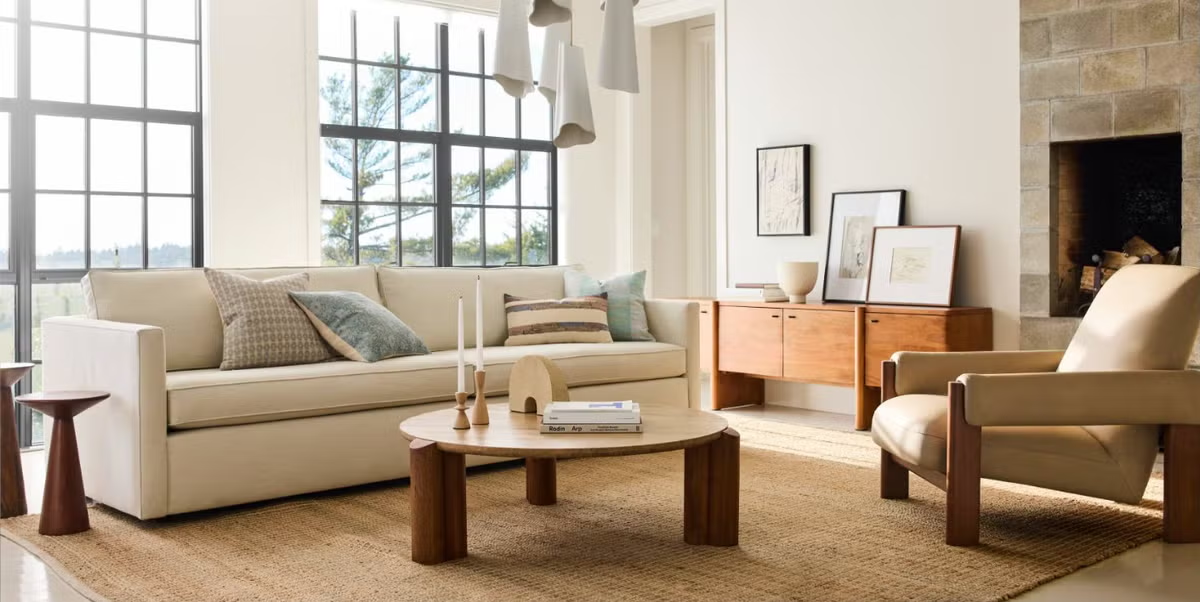
Focal points are also vital in enhancing the design of any room. Centering furniture around a statement piece such as a fireplace, a large piece of art, or a stunning view can create an attractive focal area that draws the eye. Accent chairs, side tables, and decorative rugs can then be arranged to complement this area effectively, reinforcing the overall aesthetic while maintaining functionality.
Ultimately, the careful selection and arrangement of furniture not only improve the functionality of a living space but also establish a coherent design that reflects personal style.
Accessorizing with Purpose: Lighting, Art, and Textiles
Home Decor Tips highlight that accessorizing a home is more than just decoration—it’s about creating a space that reflects personal style while serving practical purposes. Lighting is one of the most important elements in this process. To maximize natural light, use sheer curtains that allow sunlight to filter through while maintaining privacy, and place mirrors strategically to reflect light and make rooms feel more spacious. For artificial lighting, combining ambient, task, and accent lighting can enhance functionality and draw attention to key areas. Applying these home decor tips ensures your home is both beautiful and highly functional.
Art is another essential component in home decor. The selection of artwork should resonate with the inhabitants, telling a story or evoking emotions. When arranging art, consider both scale and spacing to create a cohesive gallery wall or focal point. Variations in frame styles and textures can add visual interest and depth, allowing your art collection to shine without overwhelming the space.
Textiles, including rugs and curtains, significantly contribute to the overall warmth and comfort of a home. Choosing the right textiles can create a cozy environment while also enhancing acoustic quality. Area rugs can visually delineate spaces within an open floor plan, while curtains can add layers and enrich color schemes. Additionally, including plants is a fantastic way to incorporate organic elements into your home decor. They not only improve air quality but also bring life and vibrancy to a room. Selecting the right greenery can complement your color palette, while planters can serve as artistic expressions themselves.
Incorporating these accessories thoughtfully can elevate your home decor, making it a reflection of your personal style while enhancing its overall functionality.
Discover 2026’s Top Home Decor Tips – Make Every Room Stylish and Functional!
Upgrade Your Living Space – Explore Essential Home Decor Tips for 2026!