







- Home Improvement
- Architecture
- Art and Decor
- Art and Design
- Blog
- Decorating Tips
- Design
- Design Concepts
- Design Principles
- Design Services
- Design Styles
- Design Technology
- DIY Home Projects
- Eco-Friendly Practices
- Furniture and Decor
- Furniture Design
- Home & Garden
- Home & Living
- Home and Garden
- Home Decor
- Home Decoration
- Home Design
- Interior Design
- أثاث وديكور
- الأثاث
- تصميم
- تصميم داخلي
- ديكور المنازل
- ديكورات منزلية
How to Select the Perfect Dining Table: A Complete Buyer’s Guide
Understanding Your Space
Choosing the right dining table involves understanding the nuances of your dining space, which is crucial for creating a harmonious environment. The first step in this process is to measure the dimensions of your dining area accurately. Begin by determining the length and width of the room where the table will be placed. It is advisable to use a tape measure to ensure precision, as this information will aid in selecting a table that not only fits but also complements the overall layout.
Next, consider the position of windows and doors in your dining area. These architectural features can significantly affect both the aesthetics and functionality of the space. For instance, a table placed too close to a door may obstruct movement, while a dining table positioned near a window can enhance the ambiance by allowing natural light to fill the room. Be mindful of these elements when envisioning your new table.
Clearance should also be a key consideration in your planning. It is generally recommended to allow at least 36 to 48 inches of clearance around the table. This space allows for comfortable movement, making it easier for guests to pull out chairs and walk around the table. Additionally, ensure that when the chairs are pulled out, there is adequate space for diners to sit down comfortably without feeling cramped. Consideration of these factors helps to maximize both legroom and overall accessibility in your dining area.
Finally, think about the shape of the dining table that would best fit your area. While rectangular tables work well in longer spaces, round tables may be more suitable for smaller or more intimate dining areas. By considering both the dimensions and layout of your dining room, alongside the previously mentioned factors, you can make an informed decision that will result in a dining area that feels spacious, inviting, and functional.
Choosing the Right Size and Shape
When selecting a dining table, understanding the size and shape is critical to ensuring a harmonious fit within your dining space. Each shape brings a unique set of characteristics and can significantly alter the perception of your room layout. The most common shapes include square, rectangular, round, and oval, each catering to different spatial requirements.
A standard square dining table typically measures around 36 to 54 inches per side, making it ideal for smaller spaces or intimate settings. This shape allows for easy conversation and can be pushed against walls or into corners when not in use. In contrast, a rectangular table, usually measuring 60 to 84 inches in length, accommodates larger groups and is well-suited for longer dining rooms, enhancing the social dynamic during meals.
Round tables, generally ranging from 36 to 60 inches in diameter, promote a cozy environment suitable for smaller families or gatherings. Their lack of corners facilitates movement and creates an inclusive atmosphere, making them particularly favorable for kitchens or small dining areas. Alternatively, oval dining tables combine the best aspects of both square and rectangular shapes, offering a softer appearance while still providing ample space for diners. Typically, these range from 60 to 78 inches in length.
When determining the best fit, consider the layout of your room, the number of diners, and any additional furniture. For instance, ensure there is at least 36 inches of clearance between the table and walls or other furniture for comfortable movement. Ultimately, the right size and shape of the dining table should enhance the functionality of the space while reflecting your personal style.
Materials and Styles: Finding Your Aesthetic
Selecting the ideal dining table involves careful consideration of the materials and styles that align with your aesthetic preferences and lifestyle. Various materials possess distinct characteristics that can significantly impact both appearance and functionality.
Wood is a classic choice for dining tables, offering warmth and durability. The range of wood types, from oak and walnut to maple and mahogany, allows for varied finishes and designs. While solid wood tables convey a sense of elegance, they may require more maintenance to preserve their luster over time. On the other hand, engineered woods like plywood or MDF can provide a budget-friendly alternative with a similar look.
Metal tables, often characterized by their modern industrial appeal, are robust and can be easily integrated into various design themes. They are typically easy to clean but may lack the warmth that wood offers. For a more sophisticated option, glass-topped tables offer a sleek, contemporary aesthetic that makes a space feel open and airy. However, glass can be prone to scratches and requires regular cleaning to maintain its pristine appearance.
Marble tops provide a luxurious choice, often sought for their stunning visual appeal and uniqueness since no two pieces are alike. However, marble requires careful attention as it can be susceptible to stains and scratching if not sealed properly.
When selecting a style, consider the overarching theme of your home. Contemporary designs focus on sleek lines and minimalism, while rustic tables incorporate natural elements and charm. Traditional styles reflect classic craftsmanship and timeless beauty, whereas industrial designs embrace raw materials and a more urban feel. By aligning your dining table choice with your aesthetic and lifestyle preferences, you can create a harmonious and functional dining space.
Budgeting and Long-term Considerations
When embarking on the journey to select the perfect dining table, budgeting plays a pivotal role. It is essential to define a budget that reflects not only your immediate needs but also your long-term expectations for the piece. Dining tables come in a broad price range, influenced by factors such as material, design complexity, and brand reputation. For instance, a basic wood dining table may start at a few hundred dollars, while custom-made or designer tables can escalate to several thousand. Understanding the price range associated with your preferred materials—be it solid wood, glass, metal, or a combination thereof—will help you make an informed decision.
Moreover, price should not be the sole consideration; durability and maintenance are equally important long-term factors. For instance, solid wood tables offer exceptional longevity, often lasting generations if properly cared for. However, they may require regular maintenance to prevent warping and scratches. On the other hand, glass dining tables present a sleek aesthetic but are prone to smudges and breakage. Therefore, evaluating the long-term upkeep of your chosen material can impact your overall satisfaction and financial investment.
Trends in dining table design can also influence your choice. While an ultra-modern style may be appealing now, consider whether it will still align with your tastes in five or ten years. Opting for a timeless design with classic finishes can often grant you more flexibility and prevent the need for a replacement in the future. Ultimately, selecting the right dining table is not just about the immediate purchase, but rather about making a decision that balances cost, quality, and enduring style, ensuring a wise investment for years to come.
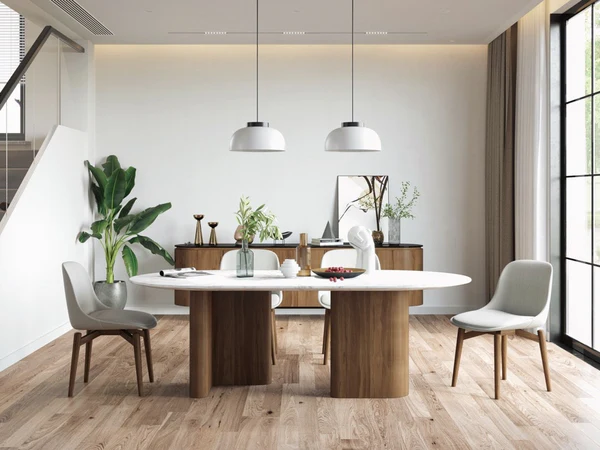
Make every meal special—learn how to select the perfect Dining Table for comfort and style.