




- Interior Design
- Architecture
- Art and Decor
- Art and Design
- Blog
- Decorating Tips
- Design
- Design Concepts
- Design Principles
- Design Services
- Design Styles
- Design Technology
- DIY Home Projects
- Furniture and Decor
- Furniture Design
- Home Decor
- Home Decoration
- Home Design
- Home Improvement
- أثاث وديكور
- الأثاث
- تصميم
- تصميم داخلي
- ديكور المنازل
- ديكورات منزلية
Mastering Space Planning: Functional Interior Design Tips for Every Room
Understanding the Importance of Space Planning
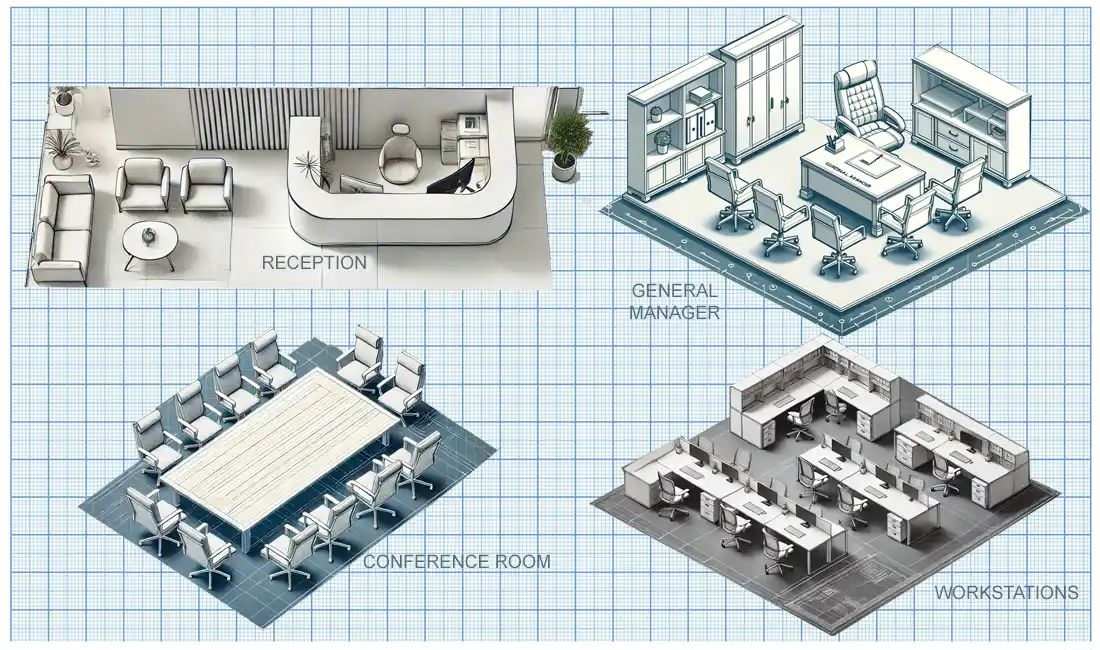
Space Planning & Functionality is a critical aspect of interior design that involves the strategic arrangement and organization of elements within a room. This process not only enhances the aesthetic appeal of a space but also maximizes its functionality and overall flow. Thoughtful space planning ensures that every area is utilized to its fullest potential, allowing for efficient movement and accessibility—essential for both residential and commercial environments.
Space Planning & Functionality is essential for optimizing the layout and usability of any room. One of the primary benefits of effective space planning & functionality is the enhancement of everyday living through careful organization. By thoughtfully considering the placement of furniture and other design elements, designers can create layouts that accommodate multiple activities while promoting efficient use of the space. For instance, in a living room, space planning & functionality ensures seating arrangements foster conversation while keeping pathways clear for movement. This attention to detail improves daily experiences, resulting in a more practical, enjoyable, and stylish living environment.
In addition to functionality, space planning plays a crucial role in enhancing the aesthetics of a room. A well-thought-out layout can highlight design features and create a harmonious visual flow. For instance, a balanced arrangement of furnishings can draw the eye and provide a sense of cohesion among different elements. Moreover, effective space planning can also improve the overall ambiance of a room, making it feel more open and inviting.
Ultimately, the impact of space planning extends beyond visual appeal; it also influences the well-being of individuals. Well-planned spaces can reduce clutter, promote relaxation, and create a more welcoming atmosphere, all of which contribute to a positive living or working experience. Therefore, investing time and effort into understanding and implementing effective space planning techniques is essential for achieving a well-designed interior.
Essential Principles of Space Planning
Space planning is a fundamental aspect of functional interior design, operating on several key principles that guide designers in creating aesthetically pleasing and practical environments. The first principle is scale and proportion, which pertains to the size of objects in relation to the space and other elements. For instance, a large sectional sofa may overwhelm a small living room if not balanced with appropriately sized furniture. Understanding scale helps in choosing pieces that fit harmoniously within a room.
Next, the principle of balance involves distributing visual weight within a space, which can be achieved through symmetrical or asymmetrical arrangements. In a dining area, for example, a long table can be balanced with matching chairs on either side, while asymmetric balance could be realized through a combination of varied decor items that draw the eye across the room.
Rhythm in design refers to creating a sense of movement and flow. This can be achieved through patterns, colors, and the arrangement of furniture that guides the eye naturally from one area to another. Incorporating repetition, such as a consistent color palette or design theme, can enhance the rhythm in an open-concept space or throughout a home.
Finally, harmony ties all these principles together, ensuring that different design elements work cohesively. When planning a home office, for instance, combining colors, materials, and furniture styles that echo each other will create an inviting and productive atmosphere.
Understanding the intended use of each space is crucial before making design decisions. Assessing how a room will be used, who will be using it, and what activities will take place can drive the choice of furniture, layout, and decorative elements, ultimately leading to a more functional and enjoyable environment.
Room-by-Room Space Planning Strategies
Effective space planning involves a thoughtful approach tailored to the unique needs of each room within a home. By utilizing strategic furniture arrangement and zoning, homeowners can maximize functionality while maintaining aesthetic appeal. Here are practical tips for common spaces to enhance their usability.
In the living room, consider the flow of traffic to ensure easy movement. Arrange seating in a conversational layout, positioning sofas and chairs around a central focal point, such as a coffee table or entertainment unit. For smaller spaces, opt for multi-functional furniture, such as an ottoman that doubles as storage. Additionally, strive to maximize natural light by positioning larger furniture pieces away from windows, allowing sunlight to illuminate the space effectively.
Moving into the kitchen, prioritize an efficient work triangle between the refrigerator, stove, and sink to promote ease of movement while cooking. Incorporating an island can provide additional workspace and casual dining options. Utilize vertical space by implementing open shelving or cabinets that reach the ceiling, thereby maximizing storage. Adequate lighting, especially task lighting, is crucial for both aesthetics and functionality in culinary spaces.
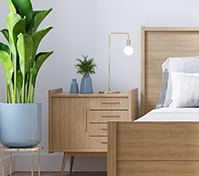
In the bedroom, focus on creating a serene and organized environment. Place the bed in a way that takes advantage of natural light while maintaining a balanced layout. Nightstands on either side contribute to symmetry and functionality. Use zoning techniques to allocate areas for relaxation, such as a reading nook with comfortable seating. On the other hand, sufficient storage solutions, including under-bed storage or built-in closets, will help maintain clutter-free surroundings.
Finally, in the bathroom, optimize small spaces by choosing wall-mounted fixtures and floating vanities to create an illusion of openness. Consider glass shower enclosures instead of shower curtains, enhancing the sense of space. Use mirrors strategically to reflect light and expand visuals. Incorporate storage through built-in shelving or cabinets to conceal everyday items.
By thoughtfully applying these tailored strategies in each room, homeowners can achieve comfortable, functional, and appealing spaces that meet their individual lifestyle needs.
Tools and Resources for Effective Space Planning
Effective space planning plays a crucial role in interior design, ensuring that a room is both functional and aesthetically pleasing. To assist with this complex process, various tools and resources are available, ranging from digital applications to professional services. Digital design tools are among the most popular resources for visualizing and arranging spaces. Programs such as SketchUp, AutoCAD, and RoomSketcher allow users to create 2D and 3D models of rooms, enabling them to experiment with different layouts and configurations. These tools often come with pre-designed templates, which can simplify the space planning process for both beginners and seasoned designers alike.
In addition to software, there are several mobile applications designed specifically for space planning. Apps such as MagicPlan allow users to create floor plans by simply taking photos of a room, making it easier to visualize dimensions and spatial relationships. Furthermore, apps like Planner 5D let users drag and drop furniture and décor items into their virtual designs, providing a hands-on approach to planning any space efficiently.
For individuals seeking to deepen their understanding of space planning, a variety of books and online resources can offer valuable insights. Titles such as “The Interior Design Reference & Specification Book” provide foundational knowledge on design principles and measurements. Websites like Houzz and Pinterest serve as inspiration hubs, showcasing innovative space planning ideas in real-world applications. Additionally, engaging with professional services such as interior designers or space planners can provide personalized solutions and expertise to tackle specific challenges in space utilization.
By leveraging these tools and resources, anyone can enhance their space planning skills, resulting in environments that are not only functional but also reflective of personal style. The journey to mastering space planning begins with the right tools at your disposal, empowering you to create well-organized, thoughtfully designed spaces.
Contact us today for personalized interior design solutions!