




- Home & Garden
- Art and Decor
- Art and Design
- Design
- Design Concepts
- Design Principles
- Design Services
- Design Styles
- Design Technology
- DIY Home Projects
- Eco-Friendly Practices
- Furniture and Decor
- Furniture Design
- Home and Garden
- Home Design
- Home Improvement
- Interior Design
- أثاث وديكور
- الأثاث
- تصميم
- تصميم داخلي
- ديكور المنازل
- ديكورات منزلية
Eco-Friendly Décor Tips: Sustainable Style for Your Home
Understanding Eco-Friendly Décor
Eco-friendly décor is a growing trend in modern interior design. Eco-friendly décor uses sustainable materials, recycled products, and environmentally conscious design practices to reduce the impact of your home on the planet. By choosing natural, non-toxic materials and energy-efficient solutions, eco-friendly décor allows you to create stylish spaces that are both beautiful and sustainable. From furniture and lighting to textiles and wall finishes, every element of your home can embrace eco-friendly décor principles. As more people prioritize sustainability, incorporating eco-friendly décor into your living spaces is not only a responsible choice but also a timeless way to enhance your home’s aesthetic.
The significance of eco-friendly décor extends far beyond aesthetics. Eco-friendly décor plays a crucial role in promoting a healthy environment, minimizing waste, and preserving natural resources. Every choice we make in our homes can contribute to reducing our overall carbon footprint. For instance, selecting sustainably sourced wood furniture is a key aspect of eco-friendly décor, helping to reduce deforestation. Similarly, using low-VOC paints and non-toxic materials enhances indoor air quality, another important principle of eco-friendly décor. By incorporating these sustainable elements, eco-friendly décor not only creates stylish living spaces but also fosters a deeper connection to nature, reminding us that our daily design decisions matter in the broader context of environmental responsibility.
One of the primary benefits of incorporating eco-friendly décor is the health advantages that come from using fewer chemicals in building materials and furnishings. Traditional materials often contain harmful substances that can negatively impact indoor air quality and overall well-being. By contrast, eco-friendly décor solutions utilize non-toxic and sustainable alternatives, creating a safer environment for everyone, especially children and the elderly. Additionally, many elements of eco-friendly décor, such as energy-efficient lighting, insulation, and appliances, can lead to long-term savings on utility bills. Choosing eco-friendly décor not only supports a healthier home but also promotes sustainability, allowing your living spaces to be both safe and environmentally responsible.
In conclusion, embracing eco-friendly décor is essential for anyone looking to create a stylish and sustainable home. By making informed choices and prioritizing eco-friendly décor principles in furniture, materials, and design, we can reduce our environmental impact while enjoying beautiful, functional living spaces. Incorporating eco-friendly décor not only supports a healthier planet but also encourages a mindful approach to how we live and design our homes, proving that sustainability and style can go hand in hand.
Choosing Sustainable Materials
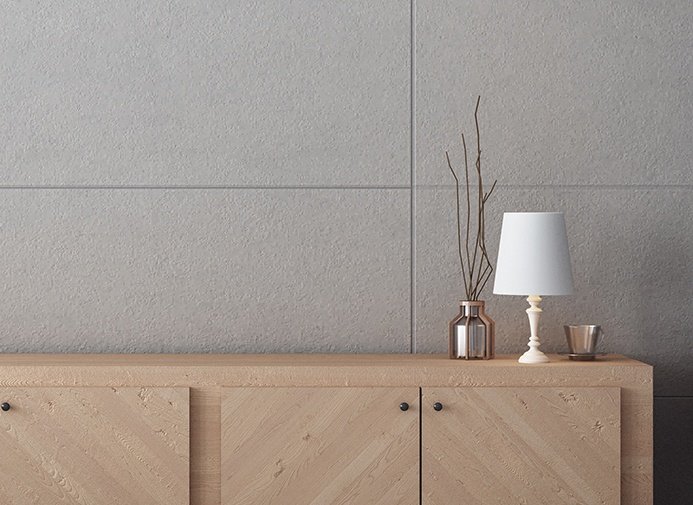
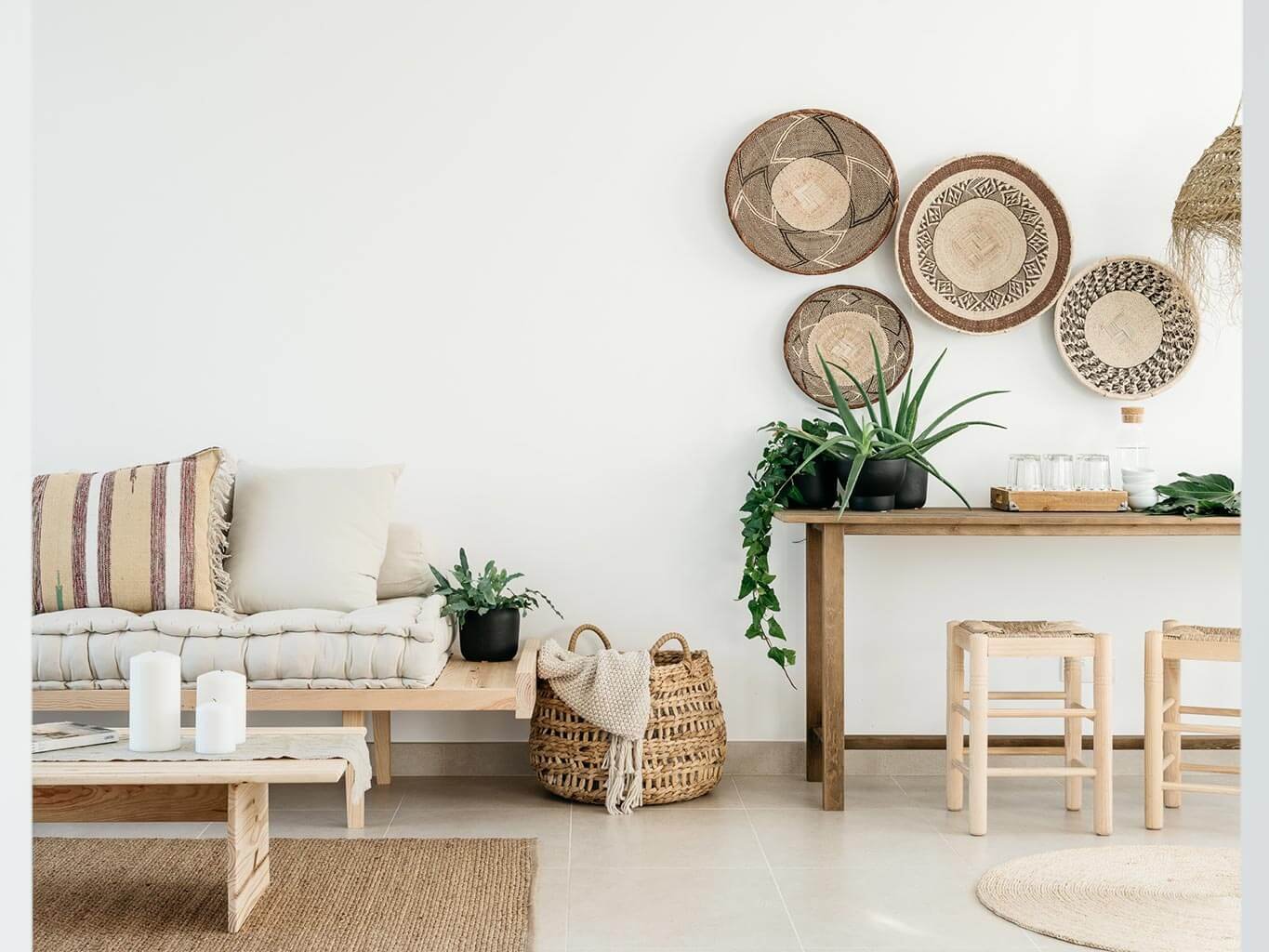
When it comes to eco-friendly décor, the choice of materials plays a crucial role in creating a sustainable home environment. A popular option is reclaimed wood, which not only reduces the demand for new lumber but also adds character and uniqueness to any space. This material can be sourced from old buildings, reclaimed pallets, or even furniture pieces, ensuring that aesthetics do not come at the cost of the environment.
Another excellent option in eco-friendly décor is bamboo. Known for its rapid growth and renewability, bamboo is a versatile and sustainable material ideal for furniture, flooring, and decorative accents. In eco-friendly décor, bamboo provides the strength and durability of traditional hardwoods, making it suitable for high-traffic areas of the home. Additionally, bamboo is naturally resistant to pests, reducing the need for harmful pesticides during cultivation. Incorporating bamboo into your eco-friendly décor choices not only enhances the beauty and functionality of your interiors but also supports a more sustainable and environmentally responsible lifestyle.
Organic fabrics, such as cotton, linen, and hemp, are also essential in sustainable décor. These materials are grown without synthetic fertilizers or pesticides, which significantly lowers their environmental impact. Incorporating organic fabrics into upholstery and curtains can enhance the comfort of your home while supporting eco-friendly farming practices.
Recycled materials, such as glass, metal, and paper, offer another dimension to sustainable home décor. These materials help divert waste from landfills and reduce the need for virgin resources. Recycled glass can be used for decorative accents, while metal fixtures and furniture items can be both stylish and environmentally responsible.
To effectively integrate these sustainable materials into home design, consider opting for multi-functional furniture that combines aesthetics with practicality. Additionally, support reputable brands that prioritize sustainability in their production processes. As a consumer, taking the time to understand the materials you choose can significantly contribute to a healthier planet.
DIY Eco-Friendly Décor Projects
Creating a sustainable home environment does not have to be daunting. Engaging in DIY eco-friendly décor projects can beautify your space while reducing your environmental impact. One popular idea in eco-friendly décor is upcycling old furniture. Instead of discarding an outdated dresser or chair, consider giving it a fresh coat of paint or repurposing it into a completely new piece. For example, an old wooden ladder can become a stylish bookshelf or plant stand. Incorporating DIY solutions like these into your eco-friendly décor strategy not only extends the life of your household items but also significantly reduces waste, making your home both creative and environmentally responsible.
Another engaging project involves utilizing natural materials to create eye-catching art. Gather fallen branches, pebbles, or dried leaves from your garden or local park and integrate them into your artistic endeavors. Creating wall hangings or sculptures with these resources not only adds a unique touch to your home décor but also fosters a connection to nature. Additionally, the textures and colors of natural materials can enhance the overall aesthetic of your living spaces.
Making homemade decorations with sustainable supplies is yet another creative outlet. Consider crafting decorative items from recycled textiles or cardboard. For instance, you can create beautiful wreaths from old fabric strips or make decorative containers using paper maché techniques. These projects encourage creativity while also teaching the value of sustainability, as they divert materials from landfills and give them a second life in your home.
Encourage personalization in your décor by integrating eco-friendly touches that reflect your unique style and values. Use organic paints and glues to ensure that all materials are safe for the environment. By thinking outside the box, you can transform everyday materials into functional and beautiful home décor items that align with sustainable practices.
Maintaining an Eco-Friendly Home
Once you have incorporated sustainable décor into your living space, the next step is to focus on maintaining an eco-friendly home. This involves implementing practices that not only uphold the aesthetics of your interior but also promote environmental conservation. A crucial aspect of this is using responsible cleaning products. Opt for eco-friendly cleaners that are biodegradable, non-toxic, and free from harsh chemicals. These products not only safeguard your health but also minimize the ecological impact on water systems and the air quality within your home.
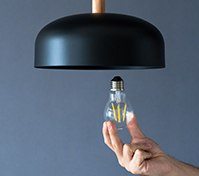
In addition to using sustainable cleaning products, it is essential to maintain energy efficiency in your home. Simple actions can significantly reduce energy consumption. For instance, always turn off lights when they are not needed and make use of natural light during the day. Investing in energy-efficient appliances and LED lighting can also lead to substantial savings on electricity bills while lessening your carbon footprint. Periodically reviewing the insulation and window seals will help to maintain optimal heating and cooling efficiency.
Minimizing waste is another important practice for achieving a truly eco-friendly lifestyle. Start by incorporating a recycling system in your home, ensuring proper disposal of plastics, glass, and paper. Composting food scraps is an excellent way to reduce waste while enriching your garden soil simultaneously. Moreover, adopting a minimalist mindset can also help—only buy items that you truly need, and consider second-hand options where possible.
Moreover, sustainability is a continuous journey. Regularly assess your eco-friendly practices and identify areas for improvement. Engaging in discussions with family members about ways to enhance your efforts can foster a comprehensive approach to an eco-friendly lifestyle. In conclusion, maintaining an eco-friendly home requires commitment and small, consistent changes that can lead to significant environmental benefits over time.
Start transforming your home today!
Explore our eco-friendly décor ideas and make your space stylish, sustainable, and uniquely yours.