






- Home Improvement
- Art and Decor
- Art and Design
- Decorating Tips
- Design
- Design Concepts
- Design Principles
- Design Services
- Design Styles
- Design Technology
- DIY Home Projects
- Furniture and Decor
- Furniture Design
- Home Decor
- Home Design
- Interior Design
- أثاث وديكور
- الأثاث
- تصميم
- تصميم داخلي
- ديكور المنازل
- ديكورات منزلية
How to Choose the Perfect Color Palette for Your Home | Expert Home Décor Tips
Home Color Palette: Understanding Color Psychology for Your Home
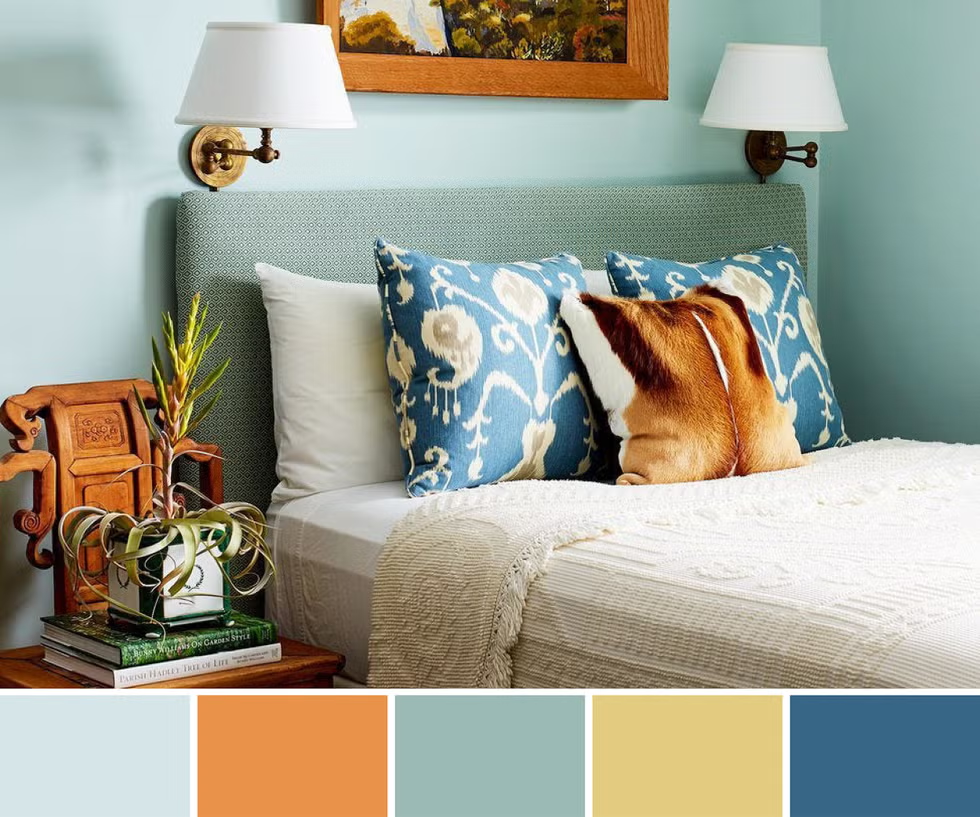
A well-chosen home color palette can dramatically influence the mood and atmosphere of any space. Color psychology explores how hues affect emotions and behaviors, making it essential for homeowners who want to create rooms that reflect personal tastes and lifestyle.
Different colors evoke specific feelings: blues and greens often inspire calmness and tranquility, while reds and yellows can stimulate energy and enthusiasm. By understanding these principles, you can select a home color palette that not only enhances aesthetic appeal but also fosters the desired emotional atmosphere throughout your living space.
A well-planned home color palette can set the tone for every room in your house. In general, colors are categorized into two main groups: warm and cool. Warm colors, such as reds, oranges, and yellows, tend to create a sense of energy and warmth, making them ideal for social spaces like living rooms and dining areas. Conversely, cool colors, including blues, greens, and purples, evoke calmness and serenity, making them perfect for bedrooms and study areas. By carefully selecting a home color palette, homeowners can influence the mood and behavior in each space, ensuring every room reflects the desired atmosphere. With a thoughtful home color palette, it’s easy to balance aesthetics and functionality throughout your home.
Neutrals also play a key role in any home color palette. Shades such as white, beige, and gray provide a versatile backdrop that enhances accent colors and fosters a sense of balance and sophistication in a room. The significance of colors can also vary across cultural contexts—for instance, while white often symbolizes purity in Western cultures, it may represent mourning in some Eastern cultures. By carefully considering both personal preferences and cultural meanings, homeowners can create a home color palette that reflects their personality and lifestyle. Ultimately, thoughtful choices about colors lead to harmonious, aesthetically pleasing spaces that elevate the overall living experience and demonstrate the power of a well-planned home color palette.
Assessing Your Space
Choosing the perfect home color palette begins with a careful assessment of your space. Consider factors such as the architecture, lighting conditions, and existing elements within your home. Each of these aspects significantly influences how colors will be perceived once applied to walls, furniture, and décor. By evaluating these elements first, homeowners can create a home color palette that enhances the overall aesthetic, complements the room’s features, and ensures a harmonious, visually pleasing environment.
To begin creating the perfect home color palette, evaluate the architecture of your home. Consider the style—modern, traditional, or eclectic—as it can greatly influence your choice of colors. For example, a classic Victorian home may be complemented by rich, deep hues, while a contemporary space might benefit from a lighter, more neutral home color palette. Pay attention to the lines and shapes created by architectural features to ensure that your chosen colors enhance the structure rather than clash with it, resulting in a harmonious and visually appealing space.
Next, take into account the natural light in each room. Rooms with abundant natural sunlight can handle bolder and more saturated colors, as the sunlight will soften and enhance these hues throughout the day. In contrast, dark or smaller rooms may require lighter or warmer colors to create the illusion of space and to foster a more inviting atmosphere. Pay attention to the direction of windows and how light changes throughout the day, as this will help in predicting how a color will appear under different lighting conditions.
Lastly, consider the purpose of each room. For spaces designed for relaxation, such as bedrooms or reading nooks, softer shades can create a calm environment. Conversely, more vibrant colors may be suitable for areas that encourage social interaction, such as kitchens or living rooms. By thoughtfully analyzing these aspects, you will be well on your way to selecting a cohesive color palette that harmonizes with your home and reflects your personal style.
Creating a Cohesive Color Scheme
Establishing a cohesive color scheme in your home is crucial for creating an inviting and harmonious environment. Start by selecting a base color that resonates with your personal style and consider the overall mood you wish to evoke in your living spaces. This primary color sets the tone and can be complemented by secondary and accent colors to add depth and interest.
One effective guideline to achieve this balance is the 60-30-10 rule. This principle suggests that 60% of your space should be filled with a dominant color, usually seen on walls and large furniture. Next, 30% should comprise a secondary color, which can be incorporated through upholstery, rugs, or decorative pieces. Lastly, the remaining 10% is reserved for accent colors, used in smaller decorative items, artwork, or accessories that inject life into the space.
When selecting your color combinations, it’s essential to ensure they flow seamlessly from one room to another. This can be achieved by choosing colors that share similar undertones or by creating a gradient effect with variations of the same hue. For example, if a calming blue is your primary color in the living room, consider pairing it with a lighter shade of blue or a complementary color like soft gray in adjoining rooms. This creates a unified look that feels intentional, rather than disjointed.
Additionally, take into account the amount of natural light each space receives. Lighter colors can help brighten dim rooms, while darker tones can add warmth. Always test colors on your walls and observe them at different times of the day to see how they interact with your space. By thoughtfully developing your color palette, you can achieve a cohesive aesthetic that enhances your home’s overall design.
Testing and Implementing Your Colors
Once you have narrowed down potential color choices, the next step is to test these colors within your home environment. This critical phase enables you to observe how the colors interact with your space’s lighting and existing decor. Begin by purchasing sample pots of your selected paint colors. Apply these samples on the wall in areas that receive different lighting throughout the day. The same color can appear drastically different in bright sunlight versus dim evening light, thus making this step essential.
In addition to paint, consider incorporating fabric swatches into your testing process. Use these swatches to help visualize how the colors will appear alongside your furniture, textiles, and accessories. For instance, you can place curtains or throw pillows that feature your chosen colors in the spaces you are redecorating. This practical approach helps in understanding the overall atmosphere created when different items are combined.
Another useful tactic is to integrate decor items such as art, rugs, or decorative accessories in your test spaces. This practice can provide insights into how successive layers of color work together, possibly influencing your final selection. As you evaluate your options, remain flexible. It is common for preferences to shift once colors are in actual settings, so be prepared to adapt your palette based on instinct and visual cohesion.
Lastly, remember that patience is key. Allow yourself time to live with the color samples before making the final decision. After observing how each color feels in various conditions, you will be well-equipped to choose a palette that truly resonates with your style and enhances the ambiance of your home.
Transform Your Space Today! Explore Home Color Palette Ideas for Every Room.
Create a Harmonious Home with the Perfect Color Palette – Learn How!