




- Home and Garden
- Blog
- Decorating Tips
- Design
- Design Concepts
- Design Principles
- Design Services
- Design Styles
- Design Technology
- DIY Home Projects
- Furniture and Decor
- Furniture Design
- Home & Garden
- Home Decor
- Home Design
- Home Improvement
- Life Style
- Lighting Design
- أثاث وديكور
- الأثاث
- تصميم
- تصميم داخلي
- ديكور المنازل
- ديكورات منزلية
The Art of Decorative Elements: Transforming Spaces with Style
Introduction to Decorative Elements
Decorative elements are integral components of interior design, serving both functional and aesthetic purposes. These elements encompass a wide variety of objects and materials, including artworks, textiles, furniture, lighting, and accessories. By thoughtfully incorporating these decorative features, individuals can significantly enhance the visual appeal of any space. The role of these elements extends beyond mere decoration; they help establish a mood, foster a sense of comfort, and reflect personal taste.
The significance of decorative elements can be observed in diverse environments, from residential homes to commercial establishments. In a home setting, for instance, decorative items allow homeowners to express their individuality, showcasing their experiences, memories, and preferences through the curated selection of pieces. In commercial spaces, decorative elements can influence customers’ perceptions and interactions, shaping the overall ambiance and contributing to a brand’s identity.
Moreover, these elements are essential in balancing various design principles, such as proportion, color harmony, and texture. By using decorating pieces strategically, individuals can create a cohesive design narrative that guides the eye throughout the space, making it feel more inviting and harmonious. A well-decorated room not only attracts attention but also provides a sense of unity, where all components work together to capture the essence of the intended style.
As we delve deeper into the various aspects of decorative elements in the subsequent sections, it becomes evident that their thoughtful integration is paramount in transforming spaces into reflections of personal style and comfort. Understanding the importance of these decorative features sets the foundation for creating spaces that are both functional and aesthetically pleasing.
Types of Decorative Elements
Decorative elements are vital components of interior design that enhance aesthetic appeal and create a sense of coherence in any space. These elements come in various forms, each offering unique opportunities to transform environments. Artwork, which includes paintings, prints, and sculptures, serves as a focal point in a room. Select pieces that resonate with the overall theme and color palette to establish a harmonious atmosphere. For instance, a large abstract painting can energize an otherwise neutral living area.
Textiles constitute another fundamental category of decorative elements. From curtains to cushions, they introduce texture and warmth to spaces. Layering different fabrics, such as combining silk curtains with plush velvet cushions, can enhance the visual depth of a room. Additionally, consider using throw blankets and area rugs, which can delineate spaces, especially in open-plan designs.
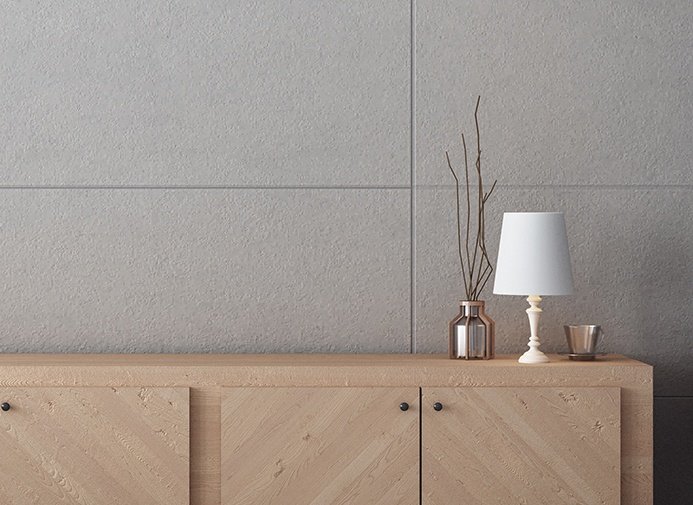
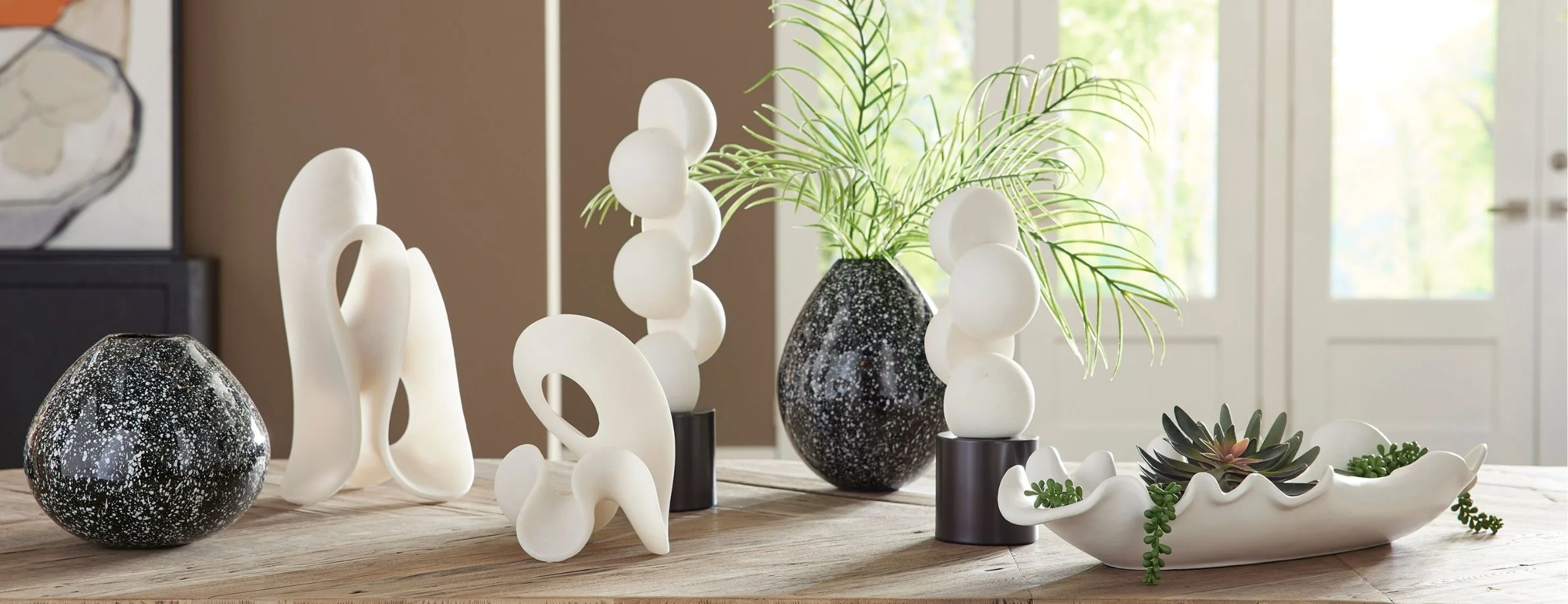
Ornaments like vases, candles, and decorative bowls can create that finishing touch in a room. These smaller items should balance functionality with artistry; for instance, a sleek ceramic vase can be a delightful centerpiece while accommodating fresh flowers. Moreover, using a mixture of materials, such as glass and metals, fosters interest and complexity in decor.
Finally, furniture pieces serve not only as functional necessities but also as decorative elements. Selecting furniture that complements the overarching design theme is crucial. For example, a vintage wooden table can add character to a contemporary setting when accompanied by modern chairs. By thoughtfully combining these decorative elements, one can achieve a cohesive look that reflects personal style and enhances the overall atmosphere of the space.
Incorporating Decorative Elements in Home Design
In the realm of home design, the art of incorporating decorative elements plays a pivotal role in enhancing the overall aesthetic of a space. To achieve a harmonious and inviting interior, it is essential to integrate design principles such as color theory, spatial arrangement, and the balance of various elements.
Color theory serves as a foundational guideline in the application of decorative elements. Selecting a color palette that resonates with the mood and purpose of each room can dramatically transform the atmosphere. For instance, warmer tones often evoke a sense of comfort and intimacy, making them well-suited for living areas. Conversely, cooler shades may create a serene environment, ideal for bedrooms and relaxation spaces. Understanding how colors interact can guide homeowners in harmonizing various decorative elements throughout their home.
Spatial arrangement is another critical consideration when incorporating decorative elements. Thoughtful placement of furniture and accessories can significantly influence the flow and function of a space. It is advisable to create zones within larger rooms to promote organization and purpose. For example, using rugs to define different areas can enhance both function and design cohesiveness. Additionally, ensuring pathways remain unobstructed allows for ease of movement, contributing to a more welcoming environment.
The principles of balance and harmony should not be overlooked. Achieving visual equilibrium involves the careful arrangement of decorative items of varying sizes, shapes, and textures. For instance, pairing larger pieces with smaller accents can create an engaging layered effect without overcrowding a space. This mindful curation fosters a sense of unity in interior design, making each room not only aesthetically pleasing but also reflective of individual style.
Trends in Decorative Elements
The landscape of decorative elements is continuously evolving, influenced by various factors such as technology, sustainability, and cultural preferences. As homeowners and designers seek to personalize their spaces, several key trends have emerged that each reflect the changing priorities of today’s society.
One prominent trend seen in the use of decorative elements is the rise of technology within interior design. Smart home technology is now being integrated into decorative items, with features such as mood lighting and automated decor becoming commonplace. For instance, programmable LED lighting allows homeowners to experiment with colors and ambiance, thus transforming the aesthetic of a space in real-time. Additionally, augmented reality applications enable users to visualize their decorative choices before making a commitment, thereby enhancing decision-making processes.
Sustainability is another crucial influence shaping current trends in decorative choices. There is a growing demand for ethically sourced materials and eco-friendly products. Designers are increasingly opting for reclaimed wood, bamboo, and recycled materials in their decorative elements, appealing to environmentally conscious consumers. This focus on sustainable practices not only complements aesthetic appeal but also aligns with the broader movement towards environmental responsibility.
Cultural influences have also played a significant role in shaping decorative trends. The blending of global styles is increasingly common, with elements from various cultures being used to create rich, diverse aesthetics in interior spaces. This cross-cultural approach allows for unique decorative expressions, mixing traditional craftsmanship with contemporary design principles. Such decor draws on a variety of artistic influences, reflecting a broader appreciation for diversity in design.
Looking to the future, the evolution of decorative elements will likely be characterized by an even greater emphasis on technology and sustainability, alongside a continuous exploration of cultural aesthetics. These trends indicate a shift towards more thoughtful, intentional design choices that resonate with both personal identity and global consciousness.