





Enhancing Your Home’s Aesthetic: The Impact of Curtains, Rugs, Cushions, and Artwork
The Role of Curtains in Interior Design
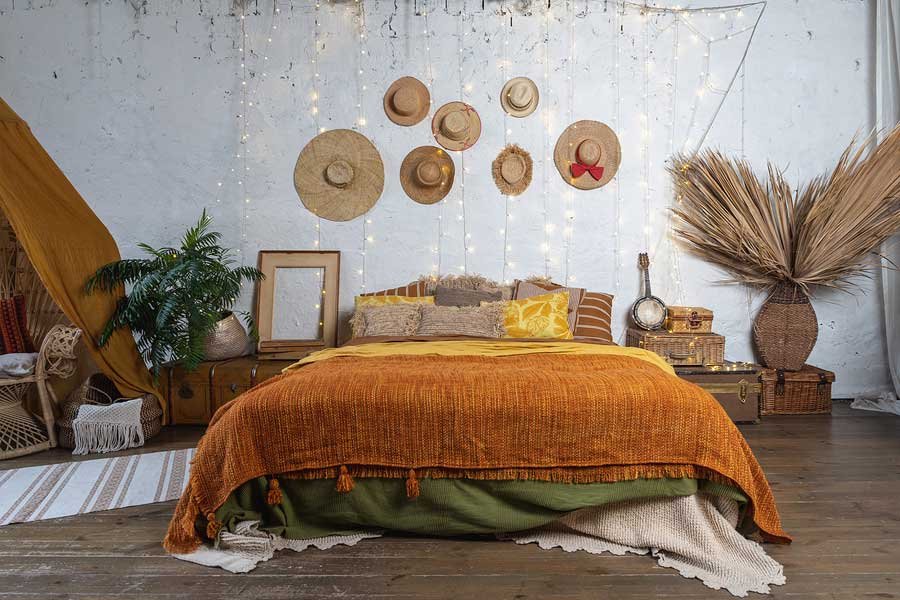
Room Interior Accessories play a crucial role in transforming any space. Curtains, rugs, cushions, and artwork not only enhance the aesthetic appeal but also create a cohesive and comfortable atmosphere. Choosing the right accessories can define the mood, style, and functionality of your room, making it feel complete and personalized.
There are a myriad of curtain types available, each offering distinct characteristics. For instance, blackout curtains are ideal for bedrooms, ensuring a restful night by blocking out unwanted light. Conversely, lightweight linen or sheer curtains may be more suitable for living rooms or dining areas, where high levels of natural light are desirable. The material chosen can also influence the curtain’s functionality and aesthetic — cotton, silk, and polyester each provide unique textures and draping qualities.
The patterns and colors of curtains are instrumental in establishing the room’s theme. A bold geometric pattern can serve as a focal point, while soft, neutral colors tend to promote a sense of calmness. It is essential to consider how curtains interact with existing decor, whether they are matched for a harmonious look or contrasted to create visual interest. In addition, the selection of the correct length and hardware is paramount to achieving a polished appearance; floor-length curtains can create an illusion of height, while appropriately chosen curtain rods and finials can add a finishing touch that either blends seamlessly or stands out as an accent piece.
Rugs: Grounding Your Space
Rugs play a pivotal role in interior design, serving not only as decorative elements but also as functional tools that define spaces and enhance comfort. A well-placed rug can anchor a room, establishing a cohesive area within an open floor plan or delineating separate zones in a smaller space. By integrating different rug styles, designers can create layers of comfort and visual intrigue.
The warmth provided by rugs cannot be understated. Natural materials such as wool, jute, and cotton offer not just tactile comfort underfoot, but also contribute to a room’s overall coziness. Moreover, these materials can absorb sound, making a space feel more serene. When selecting a rug, one must consider the scale and proportion relative to the furniture arrangement; a rug that is too small can make a room feel disjointed, while an appropriately sized one can unify the elements of a space.
There are a multitude of styles, sizes, and patterns available in rugs, allowing for a personalized touch that can either complement or contrast existing color schemes and furnishings. From intricate Persian designs to minimalist Scandinavian options, the choice of a rug should reflect one’s aesthetic preferences while providing comfort and durability. Additionally, the art of layering rugs adds a contemporary twist to traditional decor. By using multiple rugs in varying sizes and textures, one can create visual interest and depth. This technique can transform a simple seating area into a more dynamic and inviting space, enhancing the room’s overall appeal.
Cushions: Adding Comfort and Style
Cushions play a pivotal role in enhancing both the comfort and aesthetic appeal of a home environment. They serve as versatile decorative elements that can easily transform the look and feel of any room. Available in a plethora of shapes, sizes, and fabrics, cushions can be tailored to meet both functional and stylistic needs. Whether utilitarian or purely ornamental, they contribute significantly to the overall ambiance of a space.
The diversity in cushion design allows for creative freedom in home decor. For instance, oversized floor cushions can not only provide comfortable seating but also add a much-needed layer of softness to harder surfaces, thereby fostering a more inviting atmosphere. Alternatively, smaller, accent cushions can be strategically placed on sofas or chairs to add a touch of elegance. Experimenting with different materials such as cotton, velvet, or linen can further enhance the tactile experience, inviting touch and comfort.
When it comes to mixing and matching cushions, various patterns and colors can be combined to create visual interest. A harmonious blend of geometric prints, florals, and solid colors can amplify the decor, drawing the eye while ensuring consistency within the design theme. To achieve a balanced look, consider utilizing a color palette that complements existing furnishings and wall colors. Cultural patterns or artisanal textiles can provide a unique focal point, offering a storytelling aspect that enriches the room’s aesthetic.
Incorporating cushions into your home not only introduces pops of color and texture but also reinforces a cozy environment. Their inherent versatility allows homeowners to easily update their decor with seasonal changes or personal style evolution. Thus, cushions truly embody an essential accessory, enhancing both comfort and style throughout the living space.
Artwork: The Finishing Touch to Your Space
Artwork serves as a fundamental element in home decor, transforming a room from ordinary to extraordinary. It acts not only as a focal point but also as an expression of personal style, making it an essential component of any aesthetically pleasing environment. The selection of artwork involves various mediums, including paintings, sculptures, prints, and wall hangings. Each of these options can contribute differently to the ambience of a space.
When choosing artwork, it is important to consider the overall design theme of the room. For instance, modern spaces might benefit from bold, abstract art pieces that add a splash of color and creativity, while traditional settings may call for classic portraits or landscapes that resonate with the historical aesthetic of the home. Additionally, the scale of the artwork plays a crucial role in the room’s dynamics. Large pieces can create a dramatic impact, while smaller works are often best displayed in groups to maintain a cohesive look.
Placement is another vital consideration. Artwork should be hung at eye level, ensuring it is easily visible and appreciated. A common method of arranging multiple pieces is through a gallery wall, where various artworks can coexist harmoniously. When creating a gallery wall, it is advisable to use a mixture of frame colors and sizes for visual interest while maintaining a unified theme or color palette. This style enhances the overall aesthetic and serves as a conversation starter among guests.
In conclusion, incorporating artwork into your home’s design enriches the environment, adds depth and character, and ultimately reflects your personal taste. By carefully selecting and placing art pieces within your space, you can create an inviting atmosphere that elevates your home’s aesthetic.
Upgrade your space with stylish curtains, rugs, cushions, and artwork – start decorating today!
Complete your home’s look with the perfect accessories – see our expert tips now!