




- Home Improvement
- Architecture
- Blog
- Design
- Design Concepts
- Design Principles
- Design Services
- Design Styles
- Design Technology
- DIY Home Projects
- Furniture Design
- Home & Garden
- Home and Garden
- Home Decor
- Home Design
- Interior Design
- Life Style
- أثاث وديكور
- الأثاث
- تصميم
- تصميم داخلي
- ديكور المنازل
- ديكورات منزلية
Top Kitchen Decor Tips 2026: Innovative Ideas to Refresh Your Modern Kitchen
Embrace Sustainable Materials for Eco-Friendly Decor
Kitchen Decor in recent years has increasingly focused on sustainability as a key element in modern home design. Embracing eco-friendly materials not only supports an environmentally conscious lifestyle but also elevates the kitchen’s visual appeal. Popular options like bamboo, reclaimed wood, and recycled glass are admired for their durability and unique charm.
Bamboo, known for its rapid renewability, serves as an excellent choice for cabinets, countertops, and flooring. Its natural durability and resistance to moisture make it suitable for kitchen environments. Additionally, the rich texture and color variations of bamboo can add a warm, inviting feel to any kitchen space.
Reclaimed wood is another sustainable alternative gaining traction in contemporary decor. Sourcing wood from old barn structures, pallets, or furniture not only conserves trees but also provides a distinctive character to the kitchen. Each piece tells its own story, enhancing the kitchen’s personality. Furthermore, reclaimed wood can be used creatively, from custom shelving to feature walls, promoting a rustic yet modern ambiance.
Recycled glass is particularly appealing for backsplash designs and countertop surfaces. Glass derived from old bottles or other products reduces landfill waste and can be transformed into stunning tiles. The vibrant colors and reflective nature of recycled glass can dramatically elevate the aesthetic of the kitchen while contributing to sustainable practices.
When integrating these materials into your kitchen, consider sourcing from local suppliers who prioritize eco-friendly options. Participating in local crafts markets or searching online for businesses that specialize in sustainable products can lead to unique finds. With thoughtful design choices and sustainable materials, you can create a modern kitchen that reflects both style and environmental consciousness.
Incorporating Smart Technology in Kitchen Design
As kitchens evolve into multifunctional spaces, the integration of smart technology is becoming increasingly vital for enhancing both functionality and aesthetic appeal. Smart appliances have revolutionized the traditional kitchen setup, providing advanced features that not only streamline cooking processes but also promote energy efficiency. From refrigerators with touch-screen interfaces that allow you to follow recipes to ovens that can be controlled remotely, these innovations exemplify the shift towards a modern kitchen.
Voice-activated controls represent another significant advancement in smart kitchen technology. By incorporating devices such as Amazon Alexa or Google Assistant, homeowners can control different kitchen elements hands-free—whether it’s adjusting the lighting, setting timers, or managing your coffee maker. This seamless interaction promotes convenience, particularly for those multitasking in the kitchen. Moreover, the incorporation of smart lights and thermostats further adds to the energy-saving aspect while allowing users to customize their kitchen ambiance according to their preferences.
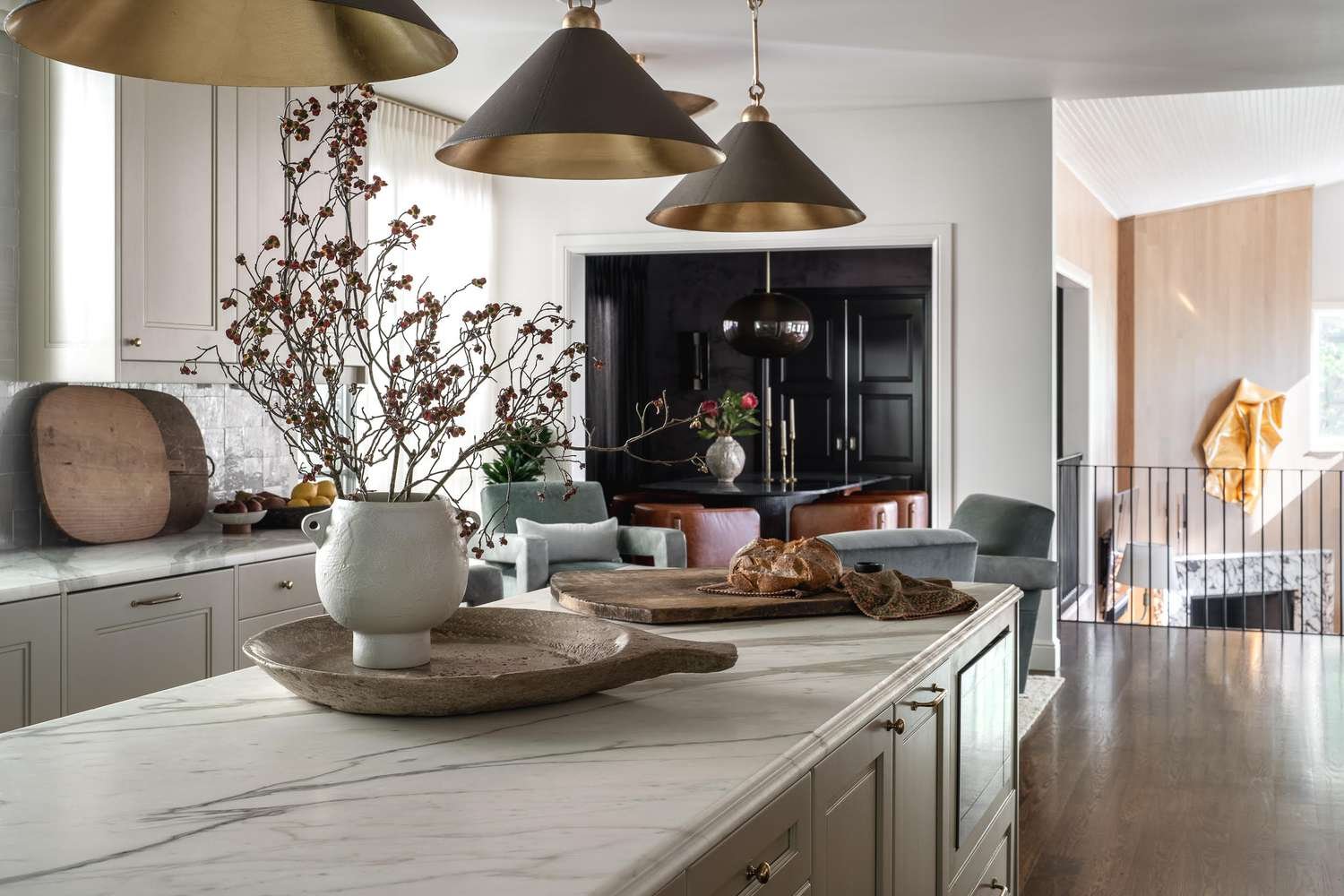
To integrate smart technology into kitchen decor effectively, it is essential to consider aesthetics alongside functionality. For instance, selecting appliances in coordinated finishes—stainless steel or matte black—can create a cohesive look while ensuring that the devices match your kitchen design. Furthermore, utilizing built-in smart devices can help minimize visual clutter, allowing for better organization and an overall sleek appearance. Open shelving can display well-designed gadgets as decorative elements, showcasing your commitment to both modernity and style in kitchen design.
Ultimately, the incorporation of smart technology transforms your kitchen into a more efficient, user-friendly space, emphasizing the harmony of functionality and design. As you explore innovative ideas for your kitchen refresh in 2026, prioritizing these advancements will undoubtedly enhance your home life while modernizing your cooking environment.
Color Trends for 2026: Bold and Subtle Combinations
As we look forward to 2026, the kitchen decor landscape is predicted to embrace a captivating mix of bold and subtle color trends. This year is all about achieving a harmonious balance between intense hues and understated tones, allowing homeowners to express their personal style while still aligning with contemporary aesthetics. Opting for a vibrant primary hue, such as deep emerald green or cobalt blue, paired with softer neutrals like warm beige or light gray can create a visually stunning yet cohesive kitchen atmosphere.
When selecting color palettes, consider how each color influences the mood and functionality of the space. For instance, bold colors like tomato red can evoke energy and vibrancy, making it a great choice for kitchens that are used for family gatherings or entertaining. On the other hand, soothing shades such as pale lavender or soft sage green contribute to a tranquil environment, ideal for those who seek a calming culinary haven. Utilizing these combinations strategically can enhance the overall kitchen experience.
Specific examples of these color pairings in modern kitchen designs include navy cabinetry with white countertops, offering a classic yet dynamic look, or charcoal gray accents against a backdrop of creamy whites for a sophisticated feel. Additionally, warming up cooler tones with wooden textures introduces a natural element that can balance the visual weight of bolder colors. This year’s trends suggest that homeowners should not shy away from experimenting with unique combinations, but rather, embrace the interplay of rich and subtle shades to create a space that feels both inviting and stylish.
Multifunctional Spaces: Creating a Kitchen That Does It All
In contemporary design, the kitchen has evolved from a basic culinary space to a multifunctional area, serving various purposes simultaneously. This transformation is largely driven by the need for flexibility, particularly in homes where space is at a premium. By integrating innovative design solutions, homeowners can maximize both functionality and aesthetic appeal.
One of the most effective ways to achieve a multifunctional kitchen is through the introduction of movable islands. These versatile additions can serve as preparation areas, dining surfaces, or even additional storage. When not in use, a movable island can be repositioned to create more room for activities such as cooking or entertaining. Opting for a design with built-in casters allows for easy mobility, making it adaptable to different scenarios.
Another critical element in crafting a multifunctional kitchen is incorporating built-in storage solutions. Utilizing vertical space through cabinets that reach the ceiling can significantly enhance storage capacity while keeping the kitchen organized and clutter-free. Additionally, installing drawer dividers or pull-out shelves helps to optimize storage efficiency, allowing users to access kitchen essentials easily.
Flexible seating arrangements also play a pivotal role in a multifunctional design. Instead of fixed dining tables, consider bar stools or benches that can be tucked away when not in use. This adaptability encourages a casual dining atmosphere and promotes social interaction, whether hosting guests or enjoying family meals.
In conclusion, the trend towards multifunctional kitchen spaces reflects the modern lifestyle’s demands. By employing movable islands, built-in storage, and flexible seating, homeowners can create a kitchen that seamlessly blends functionality and style, serving all their needs in one space.