











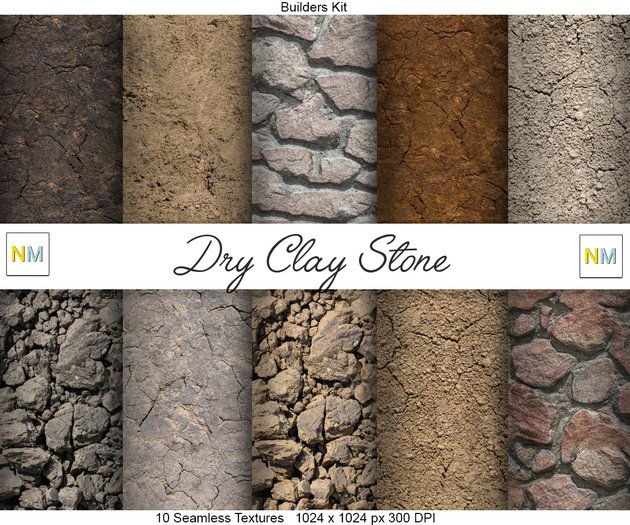
Exploring the Wonders of Sandstone: Nature’s Marvelous Rock
What is Sandstone?
Sandstone is a sedimentary rock primarily composed of sand-sized mineral particles or rock fragments. The primary constituents of sandstone include quartz and feldspar, though the composition can vary significantly depending on the source material. The rock forms through the compaction and cementation of these sediments over geological time, often in environments rich in water, where the granular material can accumulate. The mineralogy and texture of sandstone can vary, producing different types such as quartz sandstone, arkose, and graywacke, each with distinct characteristics.
Quartz sandstone, for instance, consists mainly of quartz grains and is known for its durability and resistance to weathering. Arkose is characterized by a high feldspar content and suggests a proximity to its source, typically indicating less weathering. Graywacke stands out with its additional matrix of finer-grained materials and is often indicative of a more dynamic geological environment, such as tectonically active regions or areas of rapid sedimentation.
The physical properties of sandstone—such as color and texture—are determined by its mineral composition and the processes that formed it. Sandstone can exhibit a wide range of colors including reds, browns, and yellows due to the presence of iron oxides, while its texture can vary from fine to coarse grained. Porosity is another noteworthy characteristic; it defines how much space within the rock is available for fluids. This property makes sandstone significant in various applications, notably in petroleum reservoirs and water aquifers, as well as building materials due to its aesthetic appeal and relative workability.
The Formation of Sandstone: A Geological Journey
Sandstone, a prominent sedimentary rock, is formed through a series of geological processes that highlight the dynamic nature of the Earth’s crust. The journey begins with the weathering of pre-existing rocks, particularly igneous and metamorphic varieties. Physical and chemical weathering break down these rocks into smaller particles, which can include sand-sized grains of quartz, feldspar, and other minerals. This initial stage is crucial, as it sets the foundation for the subsequent formation of sandstone.
As these weathered materials are transported, they undergo erosion driven by natural forces such as wind, water, and ice. During this process, grains are shaped and sorted, with finer materials often carried farther distances than heavier grains. Eventually, the eroded materials settle in various environments like riverbeds, lakes, and coastal areas. This localization of sediments contributes significantly to the characteristics of the future sandstone.
Once the grains are deposited, sedimentation occurs. Over time, layers of sediment accumulate, burial pressure increases, and compaction begins to solidify the deposited materials. The cementation process, whereby minerals precipitate from water within the sediment pores, further binds the grains together, resulting in the final sandstone rock. The formation of sandstone can span millions of years, with each layer preserving important geological information about the Earth’s history. For instance, the nature of the grains and the composition of the cement can indicate the environmental conditions that existed during deposition. Studying these layers provides insights into past environments, revealing whether the location was once a desert, river system, or marine setting.
Uses of Sandstone in Construction and Art
Sandstone has long been a favored material in both construction and art, owing to its remarkable durability and aesthetic appeal. As a building material, sandstone is commonly employed in a variety of architectural styles, including both traditional and contemporary structures. Its unique colors and textures can complement diverse design philosophies, making it a versatile choice for architects and builders alike.
In traditional architecture, sandstone has been used extensively for creating majestic buildings, monuments, and historical sites. The durability of sandstone makes it an ideal candidate for structures that must withstand the test of time. Notable landmarks around the globe, such as the Taj Mahal in India and various cathedrals in Europe, showcase the beauty and resilience of sandstone, highlighting its historical significance in construction.
In contemporary design, sandstone continues to be relevant. Modern architects appreciate its natural finish, which adds warmth and character to buildings. Sandstone’s properties, including its capacity to be cut into various shapes and sizes, allow for creative expressions such as intricate facades and landscaping features. In addition to its structural use, sandstone’s aesthetic qualities have made it popular for outdoor patios, walkways, and other landscape elements, enhancing the visual appeal of gardens and public spaces.
Beyond construction, sandstone is widely utilized in art. Sculptors and artisans favor it for its workability, permitting the creation of unique sculptures, fountains, and decorative features. The gentle hues and textures of sandstone contribute to a naturalistic aesthetic, making these artistic creations visually engaging.
Moreover, the economic significance of sandstone mining cannot be overlooked. Many local economies depend on sandstone extraction, providing jobs and supporting community development. As demand for sandstone continues in various sectors, it remains a vital resource, intertwining its utility in construction and art with economic sustainability.
Environmental Impact and Conservation of Sandstone
Sandstone, celebrated for its aesthetic appeal and durability, is frequently exploited in construction and various artistic applications. However, the extraction of this natural resource raises significant environmental concerns. Quarrying operations often lead to habitat destruction, soil erosion, and disruption of local ecosystems. The removal of sandstone can alter the natural landscape, affect groundwater flow, and endanger plant and animal species native to the area.
To mitigate the ecological impacts associated with sandstone extraction, it is essential to adopt sustainable practices. Responsible quarrying techniques such as selective extraction can help minimize disturbance to the surrounding environment. Additionally, the implementation of rehabilitation programs post-extraction can restore areas damaged by quarrying, allowing native flora and fauna to return and thrive. This focus on sustainable methods not only preserves the immediate environment but also ensures long-term viability of sandstone as a resource.
Furthermore, current conservation efforts emphasize the importance of protecting sandstone formations. Organizations and governmental bodies are recognizing the geological significance of these natural structures, which are often home to unique ecosystems. Initiatives aimed at creating protected areas for sandstone formations can help maintain their integrity, prevent over-exploitation, and promote biodiversity. Engaging in public education regarding the value of sandstone as a natural resource is also critical; this fosters appreciation and advocacy for its preservation.
In conclusion, while sandstone serves a myriad of uses, it is paramount that we prioritize environmental stewardship in its extraction and use. By implementing sustainable practices and supporting conservation efforts, we can ensure that sandstone remains a treasured natural resource, contributing to geological diversity and environmental health for generations to come.
Transform Your Space with Natural Sandstone – Explore Designs Today!
Elevate Your Interiors with Sandstone Textures – Shop Ideas Today!