











Embracing Eco-Friendly Living: A Guide to Sustainable Choices
Understanding Eco-Friendly Living
Eco-friendly living refers to a lifestyle that prioritizes the health of the planet by incorporating sustainable practices in daily choices. Central to this approach is the principle of sustainability, which aims to meet the needs of the present without compromising the ability of future generations to meet their own needs. The significance of embracing eco-friendly living becomes increasingly evident as we confront the challenges posed by climate change, degradation of natural resources, and increasing pollution levels.
The eco-friendly movement has its roots in environmental advocacy, tracing back to the late 20th century. Iconic events such as the first Earth Day in 1970 marked the mobilization of citizens around the world to raise awareness regarding environmental issues. Over the decades, this awareness has evolved into a broader understanding of sustainable development, which encompasses economic, social, and environmental considerations. Sustainable development aims to foster activities that can maintain ecological balance while promoting economic growth and social well-being.
Integral to the discourse on eco-friendly living are terms like ‘carbon footprint,’ which quantifies the total greenhouse gas emissions, and ‘renewable resources,’ which represent energy sources that are replenished naturally, such as solar or wind energy. Reducing one’s carbon footprint can involve various actions, such as opting for energy-efficient appliances, incorporating public transport, or supporting products from companies committed to sustainability. Choosing renewable resources is essential for diminishing dependence on fossil fuels, which are finite and continue to contribute significantly to climate change.
In conclusion, understanding eco-friendly living involves recognizing its foundational principles, historical context, and essential terms. This holistic perspective provides the necessary framework for individuals looking to make informed decisions that contribute positively to the environment.
Practical Steps to an Eco-Friendly Lifestyle
Adopting an eco-friendly lifestyle requires intentional choices and actions in various areas of daily life. One fundamental aspect involves reducing waste. Individuals can achieve this by embracing the principles of recycling, composting, and reusing items whenever possible. For instance, opting for reusable bags, bottles, and containers significantly reduces plastic waste. Additionally, educating oneself and others about the importance of waste separation enhances community efforts towards sustainability.
Another crucial step toward a greener lifestyle is energy conservation. Homeowners can replace traditional light bulbs with energy-efficient alternatives like LED bulbs, which consume less electricity and have a longer lifespan. Moreover, ensuring that appliances are energy-efficient and practicing mindful consumption—such as turning off devices when not in use—plays a vital role in minimizing energy usage.
Transportation choices represent another impactful area for achieving an eco-friendly lifestyle. Utilizing public transportation, carpooling, biking, or walking not only reduces carbon emissions but also lessens traffic congestion. For those who must drive, maintaining the vehicle in optimal condition can lead to better fuel efficiency, further decreasing environmental impact. Transitioning to electric or hybrid vehicles can also contribute positively to reducing one’s carbon footprint.
Lastly, making environmentally-conscious purchasing decisions is essential for fostering a sustainable future. Consumers should prioritize products made from sustainable materials and those that are ethically sourced. Supporting local businesses also reduces transportation emissions and supports the local economy. By actively choosing eco-friendly options in everyday purchases, individuals take significant steps toward reducing their environmental impact and promoting a sustainable lifestyle.
The Impact of Eco-Friendly Choices on the Environment
Adopting eco-friendly choices significantly impacts the environment by enabling conservation of natural resources, reducing greenhouse gas emissions, and preserving biodiversity. Individual and collective actions in embracing sustainability can catalyze transformative changes that benefit the planet. For instance, statistics indicate that switching to renewable energy sources could potentially cut global carbon emissions by over 70% by 2050.
One of the most tangible benefits of eco-friendly choices is the conservation of water and energy, two resources heavily strained by modern lifestyles. Studies emphasize that simple changes, such as reducing water consumption through efficient fixtures or utilizing energy-saving appliances, can lead to substantial reductions in water usage and energy bills. According to research conducted by the Environmental Protection Agency (EPA), households that adopt water-efficient practices can save approximately 20 to 30% less water than those who do not.
Furthermore, the positive ripple effects of eco-friendly habits extend to biodiversity conservation. When individuals prioritize purchasing sustainably sourced products, they contribute to the preservation of habitats and ecosystems that are essential for various species. The World Wildlife Fund (WWF) reported that sustainable forestry practices can enhance forest resilience, protecting countless wildlife species while offering economic benefits to local communities.
Collectively, the adoption of eco-friendly practices fosters a culture of environmental responsibility, creating a demand for sustainable products and services. This societal shift encourages businesses to innovate and adapt to sustainable methods, ultimately resulting in reduced ecological footprints. As consumers make informed choices, industries are compelled to prioritize sustainability, thereby instigating a positive feedback loop beneficial for the environment.
Future Trends in Eco-Friendly Living
As we look to the future, eco-friendly living is poised to evolve significantly, driven by advancements in sustainable technology and a notable shift in consumer behavior. The ongoing urgency of climate change underscores the necessity for innovative solutions that can facilitate sustainable practices in everyday life.
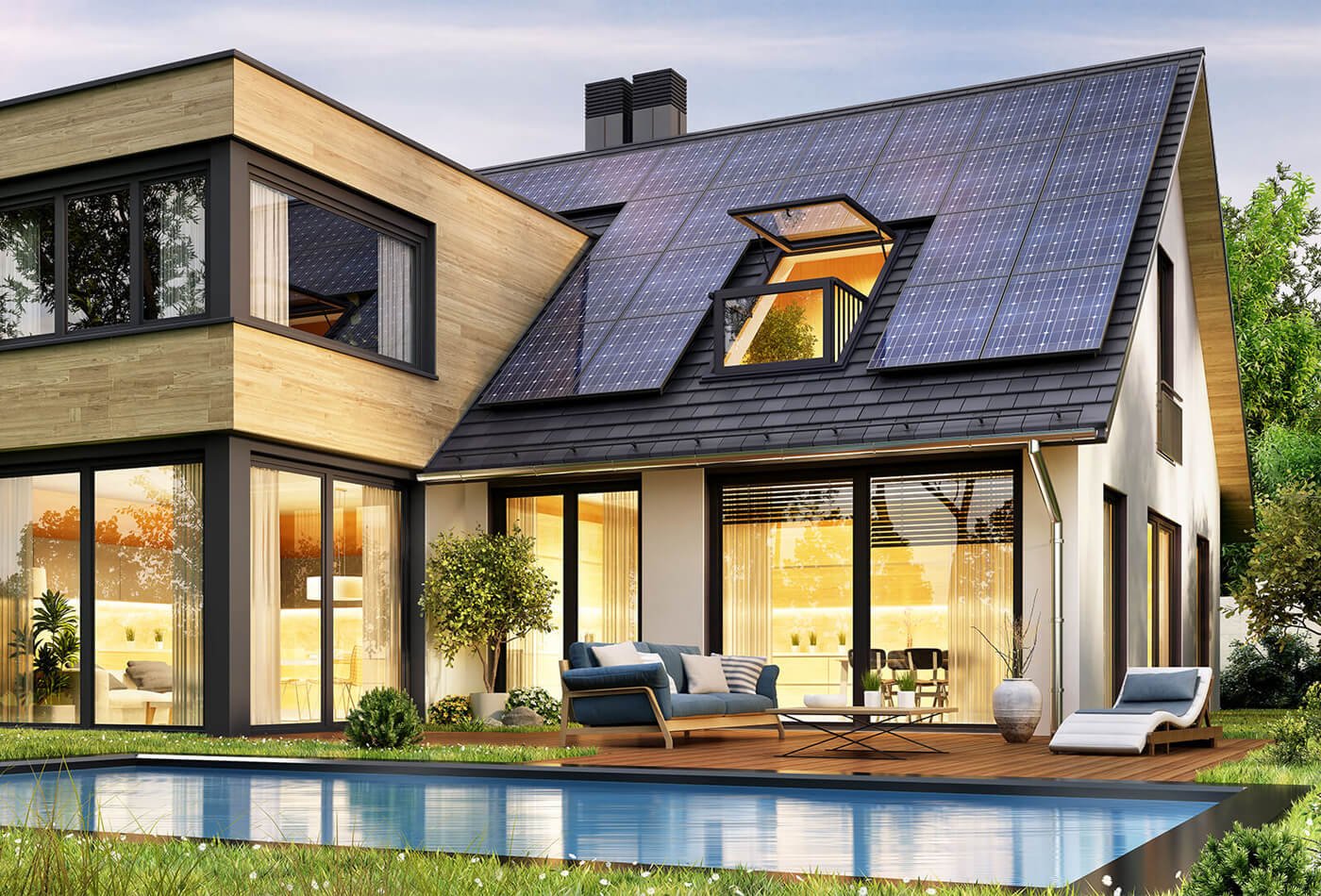
One of the most promising areas is the development of alternative energy sources. Technologies such as solar panels and wind turbines are becoming increasingly efficient and affordable, leading to greater adoption among consumers and businesses alike. Additionally, there is a rising interest in energy storage solutions, such as advanced battery systems, which allow for the effective use of renewable energy even when production is low. Furthermore, emerging technologies like hydrogen fuel cells and smart grids are being explored as vital components in reducing dependency on fossil fuels and enhancing energy distribution.
In parallel to technological advancements, changing consumer preferences are also shaping eco-friendly living. There is a growing awareness among individuals regarding the environmental impacts of their choices, leading to a demand for sustainable products. Companies that prioritize eco-friendly materials and ethical sourcing practices are increasingly finding support from conscious consumers. Movements such as zero waste and minimalism are gaining traction, encouraging users to rethink consumption patterns and prioritize resources that promote sustainability.
Policy and legislation also play a critical role in driving the eco-friendly agenda forward. Governments worldwide are enacting laws that incentivize sustainable practices, such as tax breaks for businesses adopting green technologies and stringent regulations on waste management. These regulatory frameworks not only aid in the transition towards eco-friendly living but also promote corporate responsibility and environmental stewardship.
In summary, the future of eco-friendly living is characterized by an integration of innovative technology, shifting consumer behaviors, and supportive policies that together foster sustainable choices for generations to come.
Start your eco-friendly living journey—design a sustainable, stylish home today!
Choose eco-friendly, live beautifully—start transforming your space!