



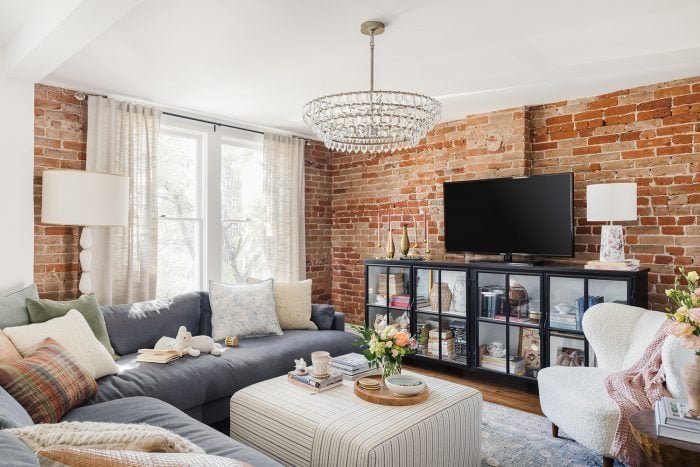
Functional Interior Design Ideas: Maximize Style and Space in Your Home
Understanding Functional Interior Design
Functional interior design is a nuanced approach that harmonizes aesthetics with practicality, ensuring that a space is not only visually appealing but also serves the needs of its occupants. The essence of functional design lies in its ability to enhance both livability and style, guiding the arrangement of elements to create a cohesive environment. One of the key principles of functional interior design is efficient space utilization. This involves maximizing every square foot of a room while maintaining comfort and accessibility. By thoughtfully organizing furniture and decor, one can create an inviting and operational space that caters to the daily activities of its users.
Flow is another critical aspect of functional interior design. A well-designed space facilitates movement, allowing for seamless transitions between different areas. This is achieved through deliberate placement of furniture and clear pathways, which not only contribute to the aesthetic value of the home but also improve its overall functionality. When inhabitants can navigate freely, the space feels expansive and welcoming, promoting an enjoyable living experience.
The integration of style and comfort is vital in functional design. While it is essential to choose decor that aligns with personal taste, it is equally important to ensure that these choices contribute to a comfortable environment. For instance, selecting furniture with ergonomic considerations can enhance physical comfort while simultaneously complementing the visual style of the space. In this way, functional interior design transcends mere utility; it embodies an aesthetic approach that enriches the quality of life within the home.
Ultimately, embracing the principles of functional interior design allows individuals to create spaces that reflect their unique style while ensuring practical living solutions—essentially marrying beauty and function in every corner of the home.
Creative Space-Saving Solutions
In the realm of interior design, maximizing space can be achieved through innovative solutions that marry functionality with style. To create a more open and inviting atmosphere, incorporating multifunctional furniture is key. For example, retractable tables can serve dual purposes, functioning as both a dining surface and a workspace when needed. This versatility is particularly beneficial in smaller homes where every square foot counts.
Additionally, the incorporation of built-in shelving provides not only an aesthetic appeal but also a clever way to utilize wall space. By integrating shelves into walls, homeowners can achieve ample storage without having to sacrifice precious floor area. This practice allows for the display of decorative items while keeping the living space organized and decluttered.
Vertical space is often underutilized in homes; however, it can play a crucial role in enhancing storage options. Floor-to-ceiling cabinets or wall-mounted racks take advantage of height and can provide a significant amount of storage. Moreover, hanging plants, artwork, or decorative elements can draw the eye upward, creating the illusion of a larger, more expansive area.
Another effective strategy in creative space-saving design is the use of hidden storage solutions. Ottomans with storage compartments and beds with drawers provide extra space for blankets, books, or other household items, reducing clutter while maintaining a cohesive design scheme. Utilizing furniture that incorporates organizational features is a practical approach to ensure that style does not diminish functionality.
By implementing these innovative space-saving solutions, homeowners can enjoy a stylish and efficient living environment that caters to their needs, without feeling cramped or disorganized. Emphasizing practical designs allows spaces to remain functional while also reflecting personal style.
Incorporating Style into Functionality
When integrating style into functional interior design, it is crucial to strike a balance between aesthetic appeal and practicality. One of the first elements to consider is color. The palette you choose can significantly influence the mood of a space. Neutral colors often work well for larger areas, providing a calming backdrop, while vibrant hues can be utilized in smaller accents like cushions or artwork to inject personality without overwhelming the senses. By carefully selecting colors, you can enhance functionality while ensuring the space remains visually inviting.
Texture plays a pivotal role in adding depth and interest to interiors. Diverse materials such as wood, metal, textiles, and ceramics can be combined to create a tactile richness. For example, pairing a sleek metal light fixture with a soft fabric sofa invites contrast and balance. Choosing materials that are durable and easy to maintain is essential to uphold functionality, especially in high-traffic areas like living rooms and kitchens.
In addition to color and texture, decorative accessories can elevate functional spaces into stylish ones. Thoughtfully chosen decor pieces—such as sculptures, bookshelves, and wall art—can transform essential furnishings into eye-catching components. These accessories allow for personal expression while ensuring that each piece serves a purpose. Additionally, blending different design styles can create a cohesive look that reflects personal taste. Mixing modern elements with vintage items, for instance, can introduce unique character while maintaining an organized and functional environment.
In conclusion, incorporating style into functionality within interior design requires intentional choices regarding color, texture, materials, and decor. By harmoniously blending these elements, it is possible to create spaces that are not only practical but also resonate with individual style, resulting in environments that are both enjoyable and efficient.
Real-Life Examples and Case Studies
Functional interior design transcends aesthetics, aiming to create spaces that seamlessly blend usability with visual appeal. One outstanding example of this is found in a modern urban loft in New York City. The owners, a couple with a penchant for entertaining, opted for an open-plan layout that maximizes the light and airiness of the space. Sunlight floods in through large, industrial-style windows, and cleverly designed shelving units serve both as storage and art displays, ensuring that every inch is utilized effectively.
Another inspiring case is a compact apartment in Tokyo, where space is a significant constraint. Here, the designer embraced multi-functional furniture, incorporating a fold-out dining table and a sofa bed that allows for flexible usage of the living area. The application of a neutral color palette combined with mirrored accents further amplifies the sense of space, creating a visually appealing environment. Additionally, the use of vertical storage solutions minimizes clutter, enhancing both the functionality and aesthetic qualities of the apartment.
In contrast, a rustic farmhouse in rural Pennsylvania showcases how traditional elements can merge with contemporary design principles. The homeowners preserved original wooden beams while integrating modern appliances in the kitchen, effectively balancing the old with the new. This blend not only retains the home’s historical charm but also enhances its usability for modern living. The thoughtful layout encourages a natural flow between the kitchen, dining, and living areas, illustrating how functional interior design can elevate everyday experiences.
These examples, among numerous others, highlight the transformative potential of functional interior design. By prioritizing usability alongside style, inhabitants can maximize their living spaces, embodying comfort, practicality, and visual charm in their homes.
Upgrade Your Space Today – Explore Functional Interior Design Ideas Now!
Discover Practical Design Solutions – Bring Functionality to Every Room!