










Smart Home Solutions: Upgrade Your Living Space with the Latest Technology
Introduction to Smart Home Solutions
Smart home solutions represent a remarkable evolution in the integration of technology within our everyday living spaces. Initially, the concept of a smart home was seen as a futuristic idea, but it has rapidly transitioned into a practical reality. Today, smart home technology encompasses a range of devices and systems designed to enhance the convenience, security, and energy efficiency of households. By leveraging various technologies, these solutions allow homeowners to control and automate their living environments in ways that were previously unimaginable.
The inception of smart home technology can be traced back to the late 20th century with rudimentary automation systems. However, the launch of wireless communication protocols, the advancement of the Internet of Things (IoT), and the expansion of smart devices have catalyzed a significant transformation in how we perceive and interact with our homes. Nowadays, from smart lights and thermostats to comprehensive security systems, the options available in the smart home market cater to diverse needs and preferences.
Integrating smart home solutions not only adds a touch of modernity to a living space but also offers several practical benefits. For instance, homeowners can manage their energy consumption more efficiently through smart devices that monitor usage patterns and adjust settings accordingly. This not only leads to cost savings but also contributes to environmental sustainability. Additionally, enhancing home security has become more accessible with smart surveillance cameras and alarm systems that provide real-time monitoring and alerts.
As technology continues to advance, the range of smart home solutions will only expand, providing homeowners with even greater capabilities to modify their living environments to suit their lifestyles. With the growing acknowledgment of the importance of smart homes, now is the perfect time for anyone looking to upgrade their living space to explore the available options and harness the benefits of these innovative technologies.
Key Components of a Smart Home System
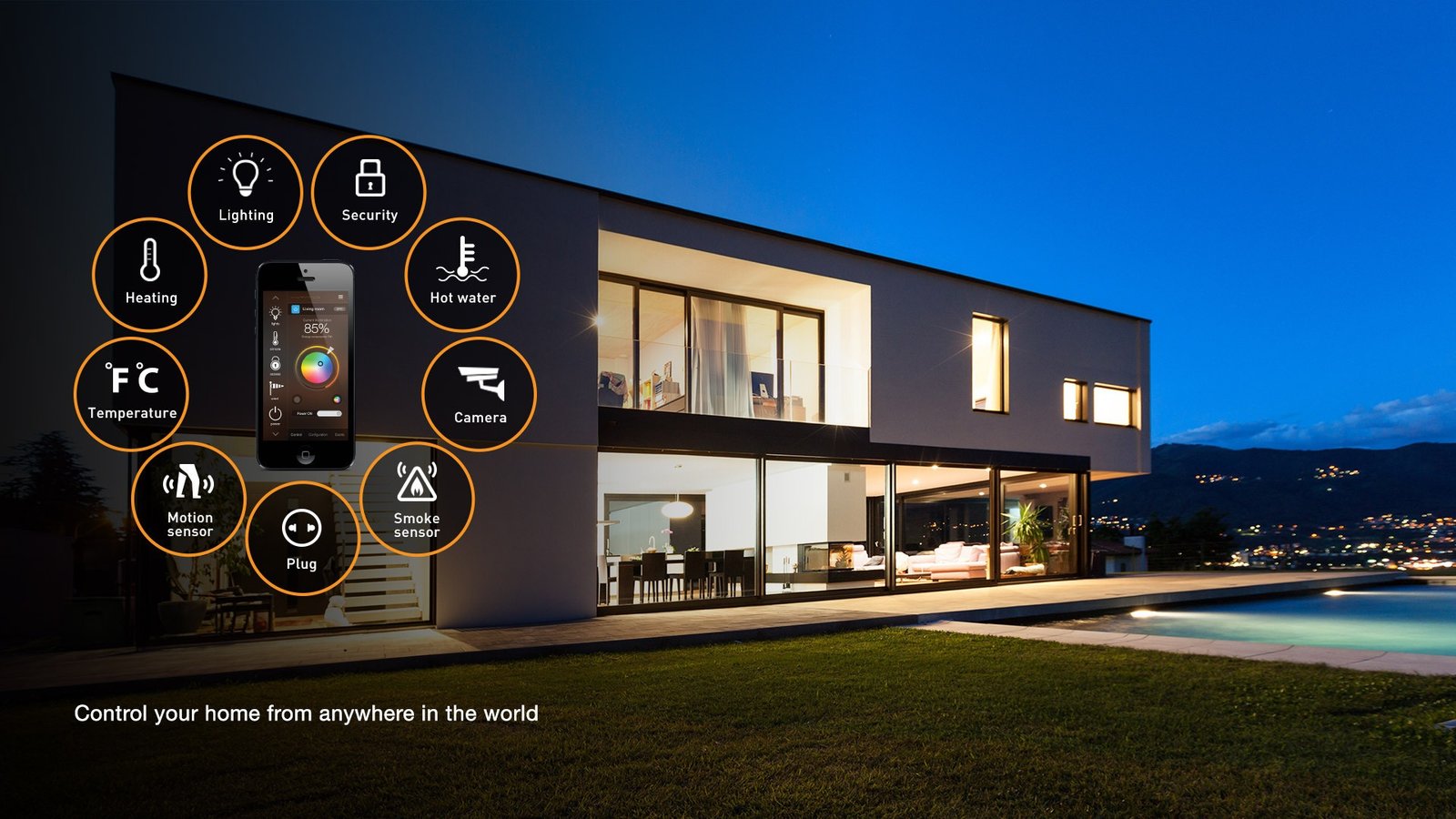
A smart home system is designed to enhance convenience, efficiency, and security through an array of interconnected devices. The fundamental components that constitute this technology-driven environment include smart speakers, smart lighting, security systems, thermostats, and home automation hubs. Each element plays a vital role in achieving a cohesive smart home experience.
Smart speakers serve as the central hub for voice control, enabling users to interact with other smart devices seamlessly. They can perform a variety of tasks such as playing music, setting reminders, and controlling other smart gadgets via voice commands. Integration of artificial intelligence enhances their capabilities, resulting in a responsive ecosystem that adapts to user preferences.
Smart lighting systems offer tailored solutions for illumination. These systems allow users to control light intensity and colors remotely, which can significantly enhance mood and ambiance. Additionally, features like scheduling and geofencing enable lights to operate automatically, thus promoting energy efficiency and security when the home is unoccupied.
Security systems are pivotal in safeguarding the home. Comprising smart cameras, alarms, and sensors, these systems can provide real-time monitoring and alerts. They enhance home security by allowing homeowners to view live feeds from their devices, irrespective of their location. The integration with smart lighting can further fortify security; for instance, lights can automatically turn on when motion is detected.
Smart thermostats significantly contribute to energy management by learning the household’s temperature preferences and adjusting the climate accordingly. Users can control them remotely via smartphone applications, leading to potential savings on energy bills due to optimized heating and cooling schedules.
Finally, home automation hubs often act as a bridge among different smart devices, enabling them to communicate efficiently. They facilitate the creation of automation routines or scenes, whereby multiple devices work together in response to specific triggers, enhancing user convenience and maximizing home efficiency.
Benefits of Smart Home Solutions
Upgrading to smart home solutions offers a multitude of advantages that can significantly enhance the living experience. One of the most notable benefits is the enhanced convenience provided by automation. Smart devices, such as thermostats, lights, and security systems, can be programmed or controlled remotely through smartphones or voice commands. This level of accessibility allows homeowners to manage their environments with ease, whether adjusting the thermostat from work or turning off the lights from bed.
Another compelling advantage is the increased security options available through smart home technology. With devices like smart cameras and doorbells, homeowners can monitor their properties in real-time from anywhere. These systems often include features such as motion detection and alert notifications, allowing for proactive measures to safeguard homes against potential intruders. A family might enjoy peace of mind during vacation, knowing they can view their home through a smartphone app.
Energy efficiency is another significant benefit associated with smart home solutions. Smart appliances can reduce energy consumption by optimizing usage based on when energy rates are lowest. Devices like smart thermostats learn the residents’ habits and adjust heating and cooling systems accordingly. This not only contributes to a more eco-friendly household but can also lead to considerable cost savings on monthly utility bills. A homeowner might find that after implementing smart solutions, their energy costs decrease significantly.
However, it is essential to consider some potential drawbacks or considerations before diving into smart home technology. Concerns regarding data privacy and cybersecurity are paramount, as smart devices often collect and transmit personal information. Additionally, the initial investment can be substantial, even if long-term savings are anticipated. It is advisable for homeowners to weigh these considerations against the potential benefits when contemplating smart home upgrades.
Getting Started with Your Smart Home Upgrade
Embarking on a smart home upgrade requires careful planning and consideration to ensure that your living space benefits fully from modern technology. The first step in this process is to assess your specific needs. Consider what functions you wish to enhance or automate: Are you looking to improve security, energy efficiency, or simply convenience? Identifying your goals will guide you in selecting devices that align with your lifestyle.
Once you have established your needs, the next step is to create a budget. Smart home devices can vary significantly in price, so it is important to determine how much you are willing to invest. Look into various products and services, comparing features and prices. Remember that while some devices may have a higher upfront cost, they could lead to savings in energy costs or enhanced security in the long run.
Compatibility is a crucial factor in your smart home upgrade. Investigate which devices work cohesively within a particular ecosystem. Many technology brands, such as Google, Amazon, and Apple, have their proprietary devices and ecosystems. Ensure that the products you choose can operate seamlessly together to create a more intuitive system. Additionally, check for compatibility with existing devices you may already own.
When setting up your smart home system, you have two primary options: professional installation or a DIY approach. Hiring professionals can save time and reduce the risk of installation errors, ensuring everything functions properly from the start. Alternatively, many smart devices are designed for user-friendly installation, allowing tech-savvy individuals to tackle the setup themselves. Weigh the pros and cons based on your comfort level with technology and your budget.
Upgrade to a Smart Home today – Experience comfort, security, and convenience like never before!
Turn your house into a Smart Home – Learn how with our expert tips!