




Top Furniture Arrangement Tips to Maximize Space
Understanding the Layout
When considering furniture arrangement, understanding the layout of a room is pivotal in creating a space that is both functional and inviting. A thoughtfully designed layout not only enhances the aesthetic appeal of a room but also maximizes the available space, making it feel larger and more open. One of the fundamental aspects of a successful furniture layout is identifying the focal point of the room. This could be a fireplace, a large window, a piece of art, or an entertainment unit. Effective arrangement revolves around this focal point, guiding the viewer’s attention and creating a harmonious flow within the space.
Once the focal point is established, the next step is strategically positioning furniture around it. The seating should be oriented towards the focal point to encourage conversation and create a welcoming atmosphere. In smaller rooms, multi-functional furniture can play a crucial role in maintaining spaciousness while providing necessary functionality. Consider a bench that doubles as storage or a coffee table that can extend when needed. These pieces create flexibility, allowing the arrangement to adapt to various needs.
Additionally, accurate measurements of the room are essential when planning a layout. Each piece of furniture should complement the dimensions of the space to avoid overcrowding. Step back and visualize the placement before committing to it; this practice can prevent the frustration of realizing a setup doesn’t work in reality. Keep in mind that leaving pathways clear is vital for smooth movement throughout the room. As you experiment with different arrangements, aim to balance both aesthetic appeal and practicality, ensuring the space remains livable and easy to navigate.
Utilizing Multi-Functional Furniture
In contemporary living spaces, particularly those that are limited in size, the use of multi-functional furniture can be a game-changer for maximizing space. These innovative pieces not only cater to the aesthetic needs of a room but also provide practical solutions that enhance functionality. By choosing furniture that serves dual purposes, individuals can reduce clutter and make the most of available square footage.
One classic example is the sofa bed, which combines a comfortable seating area with a convenient sleeping solution. This versatile piece is particularly beneficial for smaller apartments or guest rooms, allowing homeowners to easily transition from a social gathering space during the day to a cozy sleeping area at night. With a variety of styles and designs available, a sofa bed can fit seamlessly into different decor themes without sacrificing comfort or style.
Another excellent option is the storage ottoman. This functional piece serves as both seating and storage, providing room for blankets, books, or games while also allowing additional seating for guests. The versatility of storage ottomans makes them an ideal choice for smaller living rooms or dens, where space optimization is crucial.
Furthermore, extendable dining tables exemplify how a single piece can adapt to various situations. These tables can comfortably accommodate everyday dining needs and then expand to host gatherings, thus serving a dual purpose without requiring extra space when not in use. Choosing extendable tables allows homeowners to maximize their dining area elegantly, making it suitable for intimate dinners or larger family occasions.
Ultimately, integrating multi-functional furniture into one’s home can significantly enhance space efficiency while maintaining an attractive aesthetic. By selecting pieces that fulfill multiple roles, individuals can create a more organized, stylish, and comfortable living environment.
Creating Flow and Accessibility
Effective furniture arrangement is essential for creating a cohesive space that promotes flow and accessibility. To achieve this, it is important to prioritize adequate walkways throughout the room. A well-thought-out layout should include pathways that allow individuals to move freely without obstruction. Ideally, walkways should be at least two to three feet wide to ensure comfort and ease of movement. This spacing will allow guests to navigate through the area without feeling cramped, promoting a welcoming atmosphere.
Avoiding overcrowding is another crucial factor in creating an accessible environment. Carefully selecting the right amount of furniture is key to maintaining balance in the room. Consider the size and scale of each piece, ensuring they harmonize with the overall dimensions of the space. When arranging, it’s beneficial to have a mix of larger and smaller items to avoid a cluttered appearance. Each piece should serve a purpose, as overly stuffed spaces can create a sense of chaos and discomfort.
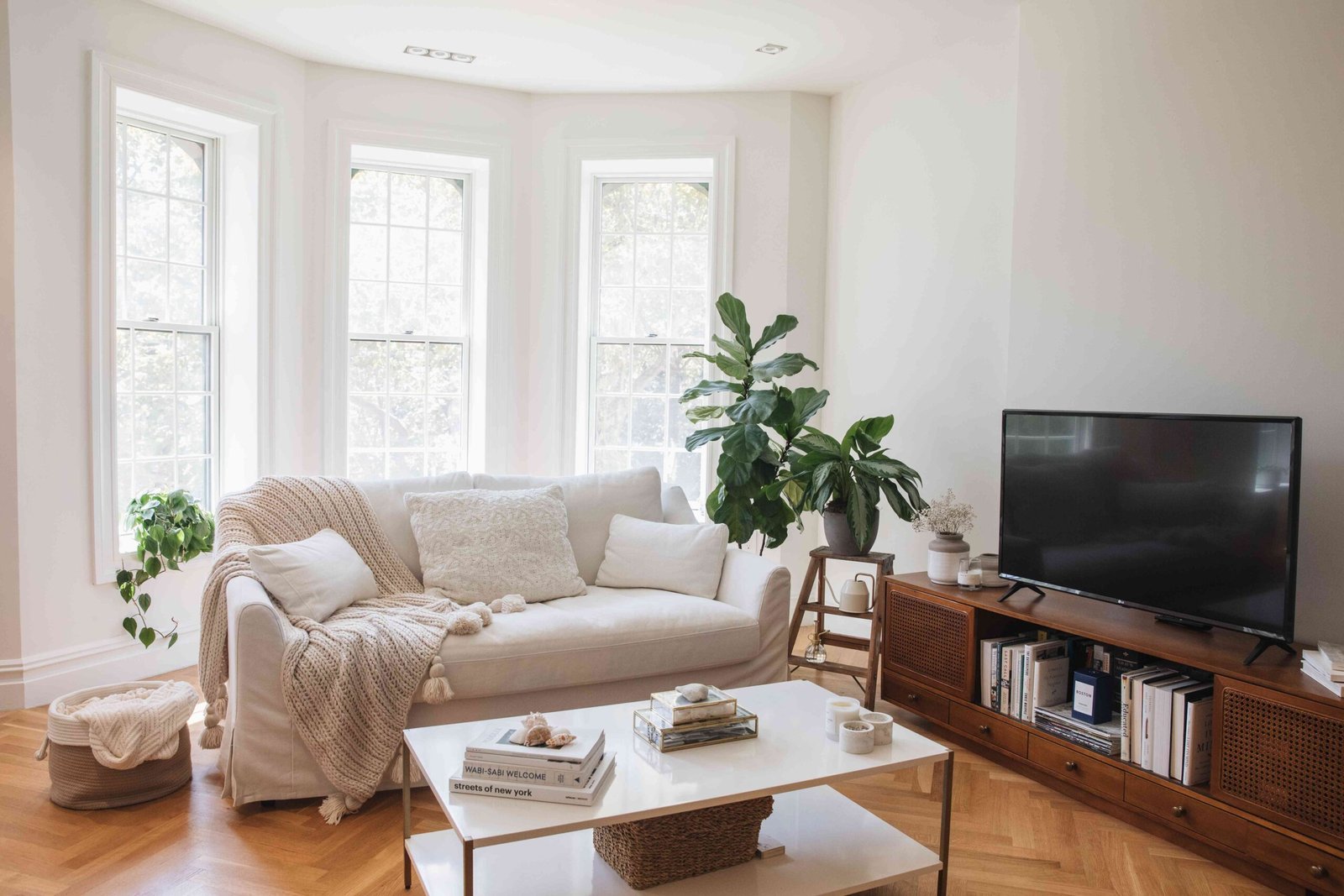
Strategically placing furniture can foster conversation and enhance accessibility. Group seating arrangements, such as sofas and chairs positioned around a central focal point, invite interaction, making it easier for people to engage with one another. In communal areas, it might be beneficial to angle seating slightly towards one another to encourage dialogue. Additionally, ensuring that frequently used items, such as coffee tables or side tables, are accessible without obstruction can further enhance user experience.
Balancing space is vital in preventing any area from feeling cramped or cluttered. Utilize area rugs to define spaces while also providing visual separation without full enclosure. Creating designated zones for different activities, such as reading, socializing, or dining, can help in maintaining order and a sense of flow throughout the area. By meticulously considering these elements, one can create a harmonious balance that maximizes space and promotes accessibility.
Styling and Personal Touches
Incorporating personal style into your furniture arrangements is essential for creating a space that reflects your identity while maintaining functionality and maximizing space efficiency. To achieve this, consider selecting a cohesive color palette that complements both your furniture and the overall décor of the room. Soft hues can create an inviting atmosphere, while bolder colors can serve as statement pieces, drawing attention to specific areas of the room.
Textures also play a significant role in enhancing the visual appeal of your space. Combining different materials, such as wood, metal, and textiles, adds depth and interest to your arrangement. For instance, pairing a sleek leather sofa with woven throw blankets and decorative pillows not only enhances comfort but also brings a sophisticated touch to the environment.
Layering rugs can further enhance your furniture layout, particularly in larger rooms where defining distinct areas is important. A larger area rug can anchor your seating arrangement, while smaller accent rugs can delineate pathways or separate spaces within the room. This layered approach not only maximizes floor space but also enhances the aesthetic dimension of your home.
Finally, incorporating decorative elements such as artwork, plants, and accessories can amplify both beauty and functionality. Artwork can reflect personal interests or experiences, creating a meaningful conversation starter and focal point within your furniture arrangement. Similarly, adding indoor plants not only purifies the air but also brings a lively element to your space, enhancing its overall ambiance.
By carefully selecting colors, textures, and decorative pieces, you can add personal touches to your furniture arrangements that create a balanced and harmonious living environment without compromising on space efficiency.
Transform your space today – Explore our expert furniture arrangement tips!