





50 Stunning Kitchen Interior Ideas to Transform Your Home
The Impact of Kitchen Design on Home Aesthetics
Kitchen Interior Ideas: Transform your cooking space into a stylish, functional, and inviting area with these expert design tips. As one of the most frequently used spaces in a home, the kitchen serves not only as a place for cooking but also as a social hub where family and friends gather.
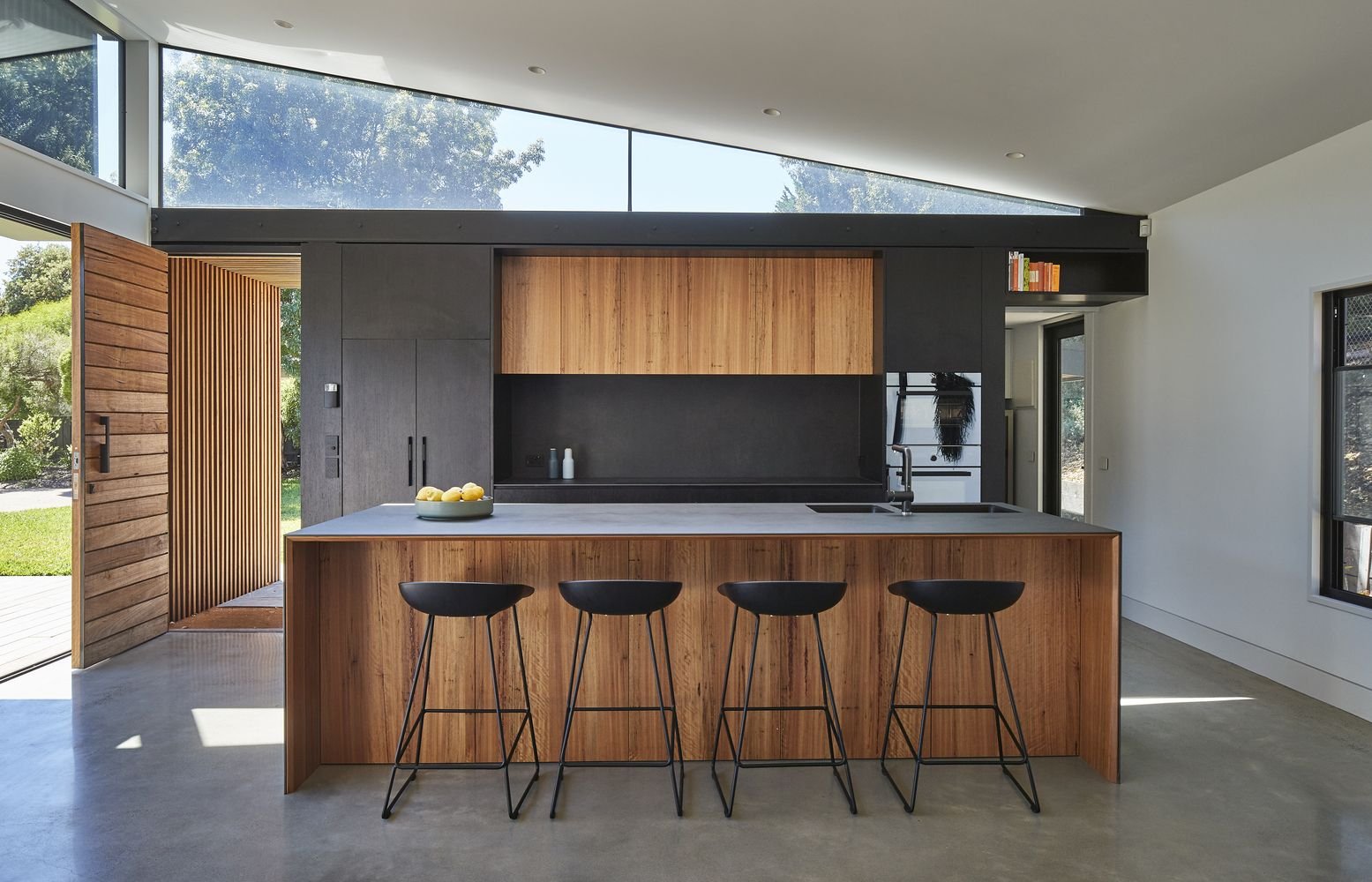
To create a cohesive design that complements the rest of the living space, it is essential to consider the existing style of the home. For instance, a modern kitchen with clean lines, minimalistic décor, and state-of-the-art appliances can offer a striking contrast when elegantly integrated into a traditional setting. Conversely, a traditional kitchen brimming with rustic details, warm wood tones, and classic cabinetry can add charm to contemporary homes.
In addition to style, colors and materials greatly impact the kitchen’s role as a focal point in home design. Light hues can create an illusion of spaciousness, while darker colors provide a sense of intimacy and sophistication. Materials also play a critical role; using high-quality finishes like granite or quartz for countertops can elevate the aesthetic, while incorporating natural elements such as wood, stone, or even metal can enhance the overall appeal.
Utilizing space effectively is paramount in kitchen design. Open layouts that connect the kitchen with adjoining living areas can foster a sense of continuity and flow throughout the home. Moreover, thoughtfully placed islands or breakfast bars can improve functionality while serving as a stylish centerpiece for the room. By exploring different kitchen styles—such as farmhouse, minimalist, modern, and traditional—the design can reflect personal tastes while enhancing home aesthetics.
Color Palettes that Elevate Kitchen Interiors
Choosing the right color palette is essential when designing a kitchen, as it can significantly impact the room’s overall ambiance and functionality. Color psychology plays an integral role in this process, as different shades can evoke specific emotions and influence the energy of the space. For instance, warm colors, such as reds and yellows, are known to stimulate appetite and conversation, making them ideal for a vibrant kitchen environment. Conversely, cooler colors like blues and greens promote serenity and calmness, which can be beneficial within the culinary space.
Currently, popular kitchen color schemes include a combination of classic whites and grays paired with bold accents such as turquoise or deep forest green. These combinations offer balance, allowing homeowners to create striking visual effects while maintaining an inviting atmosphere. The classic white kitchen remains a timeless favorite for its versatility and ability to reflect light, making spaces appear larger and more open.
In addition to traditional palettes, bold colors are making their mark in modern kitchen design. Bright oranges, radiant reds, and vivid yellows can be incorporated through accent walls, cabinetry, or decorative elements to add interest and flair. However, it’s crucial to balance these standout shades with neutral tones to prevent overwhelming the space. Neutral shades such as beige or soft gray can serve as a backdrop, letting the bright colors shine without clashing.
Ultimately, the key to a successful kitchen interior is striking a harmonious balance. Homeowners should consider their personal style and how each color makes them feel when choosing a palette. By thoughtfully integrating both classic and bold colors, kitchens can be transformed into stunning and functional culinary havens that inspire creativity.
Innovative Storage Solutions for a Clutter-Free Kitchen
Innovative storage solutions play a crucial role in creating a clutter-free kitchen, effectively maximizing both functionality and aesthetics. One popular method is vertical storage, which not only utilizes the vacant wall space but also adds an element of design to the kitchen. For instance, installing shelves or hanging racks allows for the display of pots, pans, and kitchenware, keeping them accessible while also enhancing the overall decor.
Another effective approach involves built-in cabinetry. Custom cabinets can be designed to fit seamlessly into the kitchen layout, providing a sleek appearance while cleverly hiding away appliances and kitchen supplies. This solution reduces visual clutter and offers ample storage that is tailored to the specific needs of the homeowner. Employing deep drawers and pull-out shelves can make accessing kitchen items more convenient, ultimately improving efficiency during cooking and food preparation.
Open shelving has also gained popularity as a storage solution that fosters an airy and spacious feel in the kitchen environment. By displaying dishware, glassware, and decorative items on open shelves, homeowners can create a personalized and welcoming atmosphere. This approach invites creativity, as the arrangement of items can be easily updated according to seasons or personal taste.
Furthermore, multi-functional furniture contributes significantly to achieving an organized kitchen. For example, an island that incorporates seating can serve as both a workspace and dining area, thus saving space and reducing the need for additional furnishings. Including stools or benches with built-in storage can further enhance the organization of kitchen essentials.
Before-and-after scenarios effectively illustrate the powerful impact of these innovative storage solutions. Transforming a cluttered kitchen into a well-organized space not only increases functionality but also elevates the overall aesthetic appeal, creating a harmonious balance between style and efficiency.
Modern Kitchen Technology and Its Integration
In the realm of contemporary kitchen design, the integration of modern technology represents a significant evolution. Homeowners are increasingly leaning towards smart appliances that not only simplify everyday tasks but also contribute to a more efficient, aesthetically pleasing environment. The incorporation of intelligent technologies into kitchen interiors includes various devices and systems, such as voice-activated assistants, smart refrigerators, and energy-efficient cooking appliances that respond to the needs of the user.
One notable advancement in kitchen technology is the rise of smart refrigerators, which offer features such as internal cameras that allow users to see their contents from their smartphones while grocery shopping. These appliances often have touchscreens that not only provide recipes and meal planning assistance but even allow for online grocery ordering, thus enhancing convenience.
Furthermore, voice-activated systems, such as Amazon Alexa or Google Assistant, have found their way into kitchen design, enabling users to control smart ovens, lighting, and ambient temperature without needing to physically interact with devices. This hands-free functionality is especially useful when cooking or multitasking, thereby improving overall kitchen efficiency.
Energy-efficient appliances are another aspect of modern kitchen technology worth mentioning. They consume less electricity and water compared to traditional models, aligning with environmentally conscious practices that many modern homeowners prioritize. The aesthetic appeal of these smart technologies is equally important; sleek, minimalistic designs in modern appliances help maintain the sophisticated look of kitchen interiors.
Ultimately, the integration of modern technology into kitchen design enhances functionality, streamlines daily tasks, and supports a sustainable lifestyle, while also complementing the contemporary aesthetic central to today’s kitchen interiors.
Transform Your Kitchen Today – Explore These Interior Ideas Now!
Upgrade Your Kitchen with These Stylish Interior Ideas – Start Now!