





Modern Interior Design for Kitchen: Stylish Ideas to Transform Your Cooking Space
Embracing Minimalism in Kitchen Design
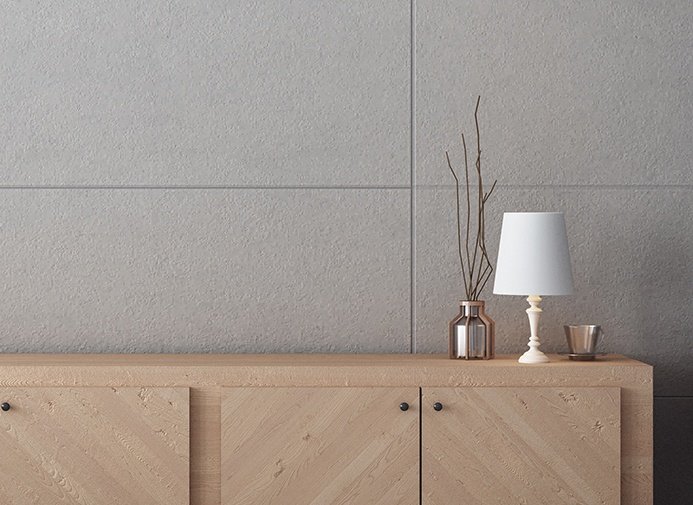
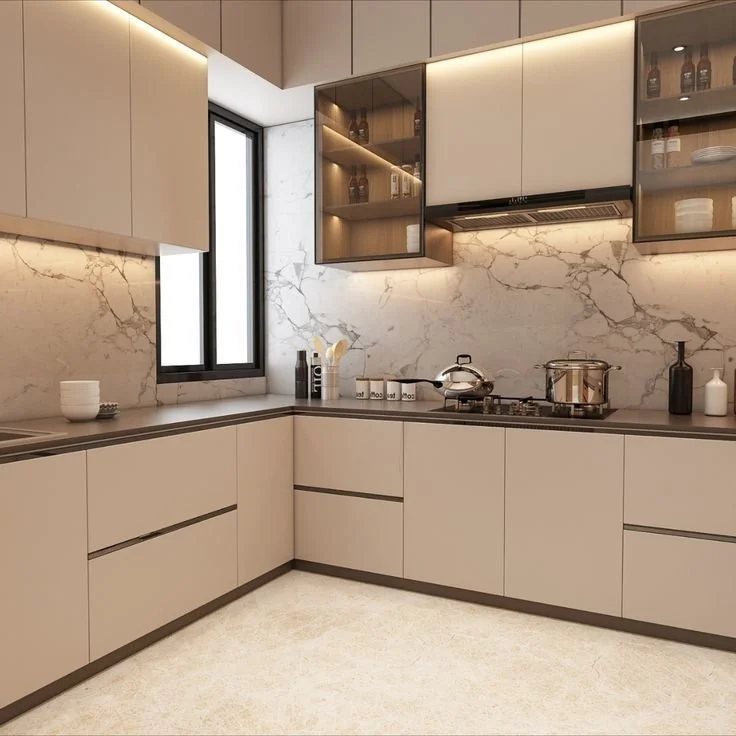
Interior Design for Kitchen can be elevated with minimalism, focusing on essential elements that create an efficient and visually appealing space. This approach emphasizes clean lines, simple forms, and a clutter-free environment, allowing functionality to take precedence without sacrificing style. To achieve a minimalist kitchen, choose a neutral color palette with whites, grays, and earthy tones, enhancing the feeling of spaciousness and tranquility.
One of the fundamental principles of minimalist design is to incorporate sleek cabinetry that hides clutter while providing functional space. Opting for handleless cabinets and integrated appliances can further promote a streamlined look. This approach not only improves aesthetics but also ensures ease of cleaning and maintenance, as fewer elements mean less dust and grease accumulation.
Smart storage solutions play a crucial role in minimalist kitchen design. Utilizing vertical space through shelving, clever cabinetry, or pull-out drawers can significantly reduce visible clutter. Additionally, adopting multi-functional furniture, such as an island that doubles as a dining area or a prep station, maximizes usability without overcomplicating the space. Organized kitchen accessories, stored out of sight, contribute to a peaceful and orderly environment.
To effectively showcase modern minimalism, consider examples such as kitchens featuring open shelving that displays only a few, carefully selected items, and those with a monochromatic scheme that enhances the overall cohesion of the design. The goal is to create a balanced atmosphere that allows everyday functionality, while simultaneously providing a sense of calm through minimalist aesthetics. By prioritizing simplicity, a modern kitchen can become not just a place for cooking, but also a serene environment that meets the demands of contemporary living.
Incorporating Bold Colors and Patterns
Modern kitchen design embraces the use of bold colors and patterns, allowing for a creative expression that can completely transform the ambiance of the cooking space. When selecting statement colors for cabinets, backsplashes, and accents, it is essential to consider both aesthetics and functionality. Bright hues, such as navy blue, forest green, or rich burgundy, can create a sophisticated contrast against neutral tones, infusing life into the kitchen environment.
The psychological effects of colors play a significant role in kitchen design. For instance, warm colors like red and yellow can stimulate appetite and energy levels, making them suitable for lively cooking environments. On the other hand, cooler shades such as blues and greens promote serenity, which may be beneficial in creating a relaxed cooking atmosphere. The key is to balance these colors with softer neutrals to avoid overwhelming the senses.
Mixing patterns is another captivating element of modern kitchen design. Incorporating decorative tiles for backsplashes, paired with patterned textiles—such as decorative dish towels or chair cushions—can add visual interest without compromising harmony. To effectively mix patterns, choose two or three varying designs that share a common color palette, ensuring that they complement rather than clash with each other. This approach can create a coordinated yet dynamic look.
Some appealing color combinations include deep teal with vibrant mustard yellow, or muted blush pink with rich charcoal grey. Each pairing offers a unique aesthetic that can reflect personal style while maintaining a cohesive appearance. Visual examples of successful applications demonstrate how these bold strategies can enhance kitchen functionality and appearance, making the cooking space not only a place to prepare meals but also a vibrant centerpiece of the home.
Integrating Technology for a Modern Kitchen Experience
In the realm of contemporary interior design, technology plays an essential role, particularly in elevating modern kitchen functionalities. Today’s kitchens are increasingly becoming smart spaces that blend technology with aesthetics, offering homeowners not only style but also enhanced usability. With a host of innovative appliances designed to simplify cooking and optimize efficiency, it’s no surprise that integrating technology has become a cornerstone of modern kitchen design.
Among the plethora of smart kitchen gadgets available, voice-activated assistants, smart ovens, and intelligent refrigerators are paving the way for a seamless cooking experience. These innovative tools can manage cooking times, adjust temperatures, and even provide recipe suggestions, all while allowing users to maintain multitasking in their busy lives. Moreover, energy-efficient appliances are now at the forefront of both design and functionality. These appliances not only reduce energy consumption but also harmonize with eco-conscious trends, promoting sustainability in home design.
A critical consideration in modern kitchen design is how technology is integrated without disrupting the overall aesthetic. Clever storage solutions, such as pull-out pantries and integrated charging stations, ensure that gadgets can be hidden away when not in use. This balance of functionality and style is vital in creating a kitchen that feels both modern and inviting. Real-world examples abound; for instance, many contemporary kitchens utilize touch-activated faucets for hands-free operation, adding an element of sophistication while streamlining tasks.
By thoughtfully incorporating technology, homeowners can create kitchens that are not only visually appealing but also equipped for a high-performance lifestyle. As you explore design options, consider both the functional benefits and the visual impact of each technological addition, ensuring that your modern kitchen meets both practical needs and aesthetic desires.
Creating a Functional Layout with Open Concepts
Modern kitchen designs increasingly embrace open-concept layouts, offering a seamless integration of cooking, dining, and living spaces. This design approach not only enhances the flow of the home but also facilitates communication and interaction among family members and guests. One of the primary advantages of an open-concept kitchen is the sense of space it creates, making the area feel less confined and more inviting.
In an open-concept design, defining kitchen areas within larger living spaces becomes essential. Strategic placement of furniture, such as an island or a peninsula, helps differentiate the kitchen from adjacent rooms while maintaining an airy feel. Using multi-functional furniture, such as a kitchen island that doubles as a dining table, further amplifies the usability of the space. This allows for flexible cooking and dining arrangements, adapting to various needs and occasions.
Moreover, ensuring a cohesive design throughout all interconnected areas is vital. Choosing a consistent color palette and materials not only enhances aesthetic appeal but also promotes unity in the overall design scheme. For instance, continuity can be achieved by matching countertop materials with those used in adjacent living spaces or selecting complementary finishes for cabinets and furniture.
Another important aspect is the flow and accessibility within the space. An efficiently designed kitchen should allow for easy movement and access to essential areas, such as appliances, storage, and dining zones. This can be achieved by strategically positioning workspaces within the kitchen, thus reducing barriers and creating a more functional environment.
Embracing the principles of an open-concept design in modern kitchens offers increased flexibility, enhances social interaction, and contributes to an overall inviting atmosphere, making it a popular choice for today’s homeowners.
Ready to revamp your kitchen? Explore our Interior Design for Kitchen ideas today!
Discover simple and stylish Interior Design for Kitchen ideas for your home!