




10 Stunning Room Makeover Ideas to Transform Your Space in 2026
Embrace Minimalism: Less is More
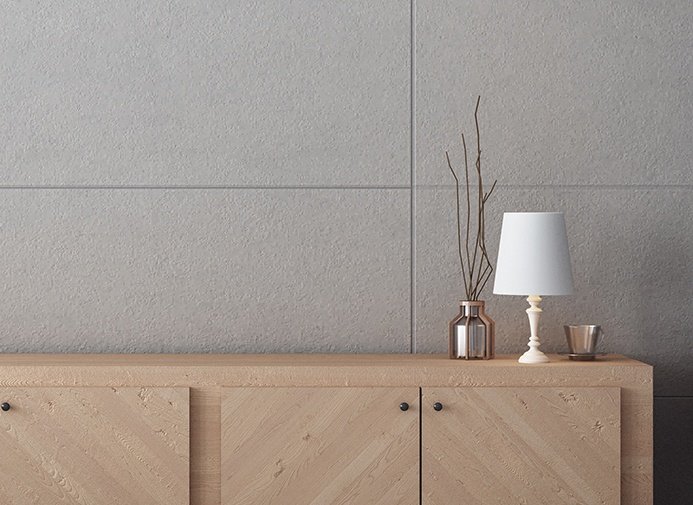
Room Makeover Ideas can help you transform any space into a serene, functional, and stylish environment. In the realm of interior design, minimalism stands as a philosophy that promotes simplicity and clarity. The idea that less is more encapsulates the essence of a minimalistic approach, allowing homeowners to create spaces that are both relaxing and practical. By embracing minimalism, you can steer away from cluttered, chaotic settings and turn your home into a haven of calm.
Decluttering is a critical principle of minimalism, emphasizing the removal of unnecessary items that may overwhelm a space. This process not only clears physical space but also fosters mental clarity, essential for a peaceful living environment. As one embraces a minimalistic aesthetic, it becomes crucial to evaluate each item’s necessity, keeping only those that serve a purpose or bring joy. This practice of intentional living can significantly enhance the tranquility of any room.
Additionally, selecting multi-functional furniture can further foster a minimalistic atmosphere. Pieces that serve dual purposes, such as a coffee table that doubles as storage, contribute to efficient use of space and maintain clean lines throughout the room. This not only creates a more organized appearance but also encourages a lifestyle where each element of the design has a distinct role, solving potential clutter issues.
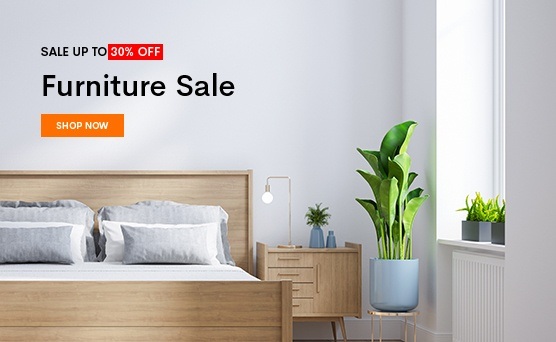
Color palettes play a vital role in minimalistic interior design. Choosing neutral colors, such as whites, greys, and soft beige, ensures that natural light can flow freely, brightening the space. These colors also create a harmonious backdrop, allowing other elements of the room to shine without overwhelming the senses. When minimalism is thoughtfully applied, rooms can be transformed into inviting spaces that promote relaxation, making them ideal for unwinding after a long day.
Bold Color Choices: Make a Statement
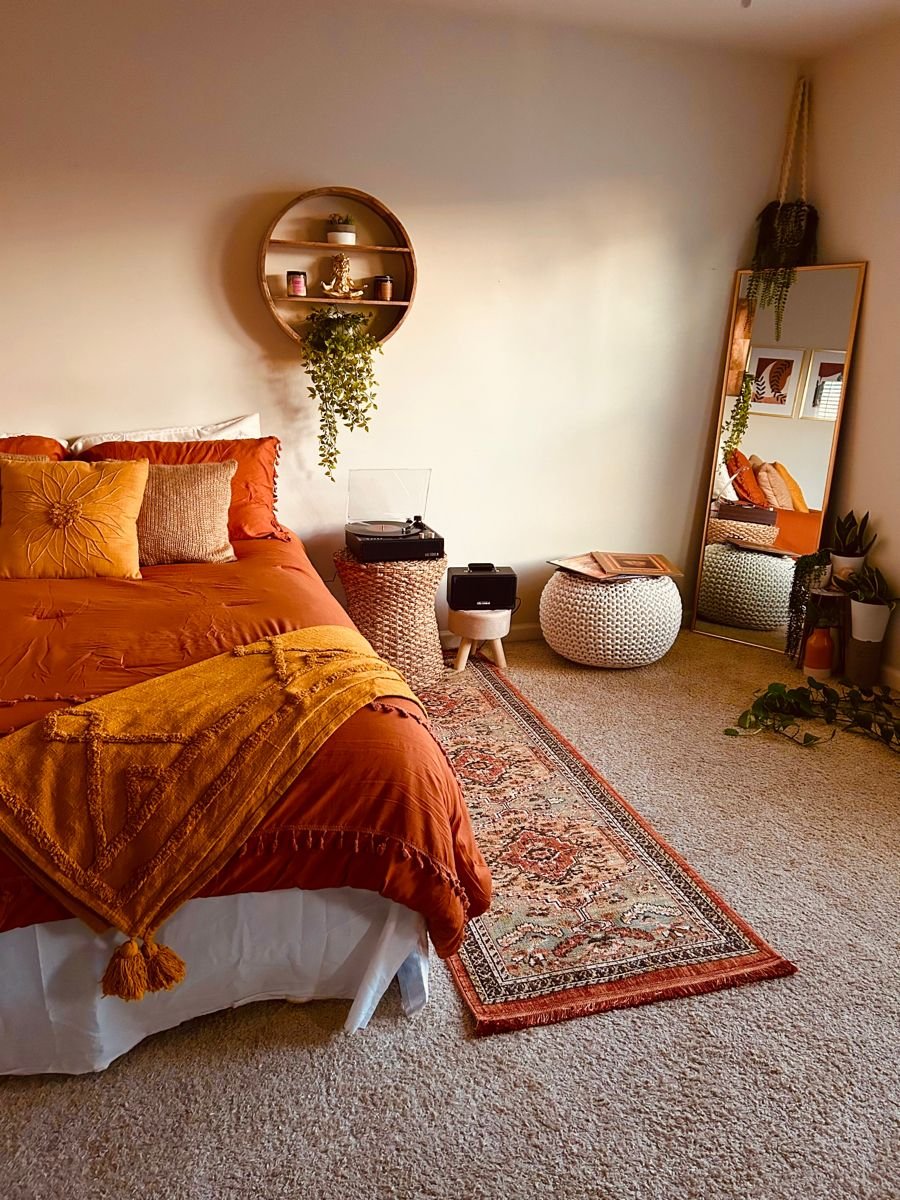
In the realm of interior design, the power of color is undeniable. The year 2026 has ushered in a trend towards bold color choices that not only invigorate spaces but also reflect the personality of the inhabitants. From vibrant accent walls to striking pieces of statement furniture, the use of color can dramatically transform any room. Homeowners are increasingly embracing rich jewel tones, energetic yellows, and deep greens, which serve to create a unique ambiance that captivates and energizes.
Choosing the perfect bold color comes down to understanding its impact within the space. A single wall painted in a daring hue can serve as a focal point, drawing the eye and setting a distinct tone for the entire room. For instance, a bright coral might enliven a living room, while a sophisticated navy could add depth to a study. However, it is essential to balance these bold colors with complementary tones to create visual harmony. Soft neutrals, such as beige or light gray, can offset vibrant colors, ensuring that the space remains comfortable and inviting.
When selecting colors that reflect personal style, consider the emotional responses that certain hues evoke. Warm colors, like reds and oranges, often imbue spaces with warmth and energy, making them ideal for social areas. Conversely, cool colors such as blues and greens instill a sense of calm, suitable for bedrooms or relaxation zones. Mixing and matching these colors, while keeping the overall design cohesive, can enhance the aesthetic appeal of any room.
In summary, bold color choices in room makeovers can dramatically elevate the feel and functionality of a space. By carefully balancing these vibrant hues with complementary shades, these colors can reflect individual personality while fostering a harmonious environment.
Sustainable Decor: Eco-Friendly Transformations
The growing trend towards sustainability in interior design reflects an increasing awareness of environmental issues and the importance of creating healthier living spaces. Eco-friendly transformations utilize sustainable materials, reduce waste, and incorporate energy-efficient solutions, thereby promoting both aesthetics and sustainability.
One of the key components of sustainable decor is the use of eco-friendly materials. From reclaimed wood to bamboo flooring, these natural alternatives minimize the carbon footprint of any home project. Additionally, many manufacturers now offer products made from recycled materials, ensuring that each piece contributes positively to the environment.
Upcycling is another creative avenue that supports sustainability in interior design. By repurposing old furniture and decorative items, homeowners can create unique pieces that reflect their personal style while reducing landfill waste. For instance, an old wooden ladder can easily be transformed into a stylish bookshelf, adding character and history to a space.
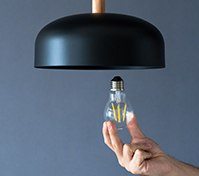
Moreover, lighting plays a pivotal role in enhancing eco-friendliness within interiors. Transitioning to energy-efficient LED lighting not only lowers energy consumption but also extends the lifetime of bulbs, further curbing environmental impact. Smart lighting solutions can also be integrated, allowing homeowners to control their energy usage effectively and reduce costs.
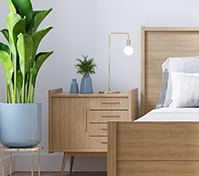
Incorporating plants and biophilic design elements into interiors fosters not only beauty but also improved air quality. Houseplants such as snake plants, peace lilies, and pothos can purify the air, making spaces more vibrant and promoting overall wellness. Additionally, designing with nature in mind—such as using natural light and earthy colors—creates a calming atmosphere that enhances mood and productivity.
By deliberately selecting eco-friendly materials, embracing upcycled furniture, implementing energy-efficient lighting, and integrating biophilic design, individuals can contribute to a more sustainable future while achieving stunning room makeovers that resonate with their values.
Multifunctional Spaces: Adaptable Living
In the modern era, homes are increasingly designed to cater to diverse lifestyles, making the concept of multifunctional spaces essential. These adaptable living areas are not only practical but also incorporate innovative design ideas that enhance versatility. By utilizing furniture that can be easily moved or transformed, such as modular sofas, extendable dining tables, and collapsible workstations, homeowners can create environments that meet various needs without sacrificing comfort or style.
Creating zones within open layouts is an effective way to ensure that multifunctional spaces serve their intended purposes. For instance, defining areas for work, exercise, and relaxation can create a sense of order and support productivity. This might involve the strategic placement of rugs or screens to delineate space, which allows for seamless transitions between activities. Additionally, utilizing creative storage solutions, like built-in shelves and multifunctional cabinetry, can help maintain clarity in these defined areas while ensuring that items remain accessible.
Incorporating smart technology can further enhance the functionality of adaptable living spaces. Smart lighting systems, for example, can be programmed to adjust to various activities, such as brightening for workout sessions or dimming for movie nights. This technological integration not only contributes to convenience but also promotes a lifestyle that is increasingly connected and efficient. By thoughtfully designing spaces that cater to work, exercise, and leisure, homeowners can make the most of their square footage, ultimately leading to a more harmonious living experience.
Ready to transform your space? Explore our Room Makeover Ideas now!
Discover simple and stylish Room Makeover Ideas and refresh your space!