







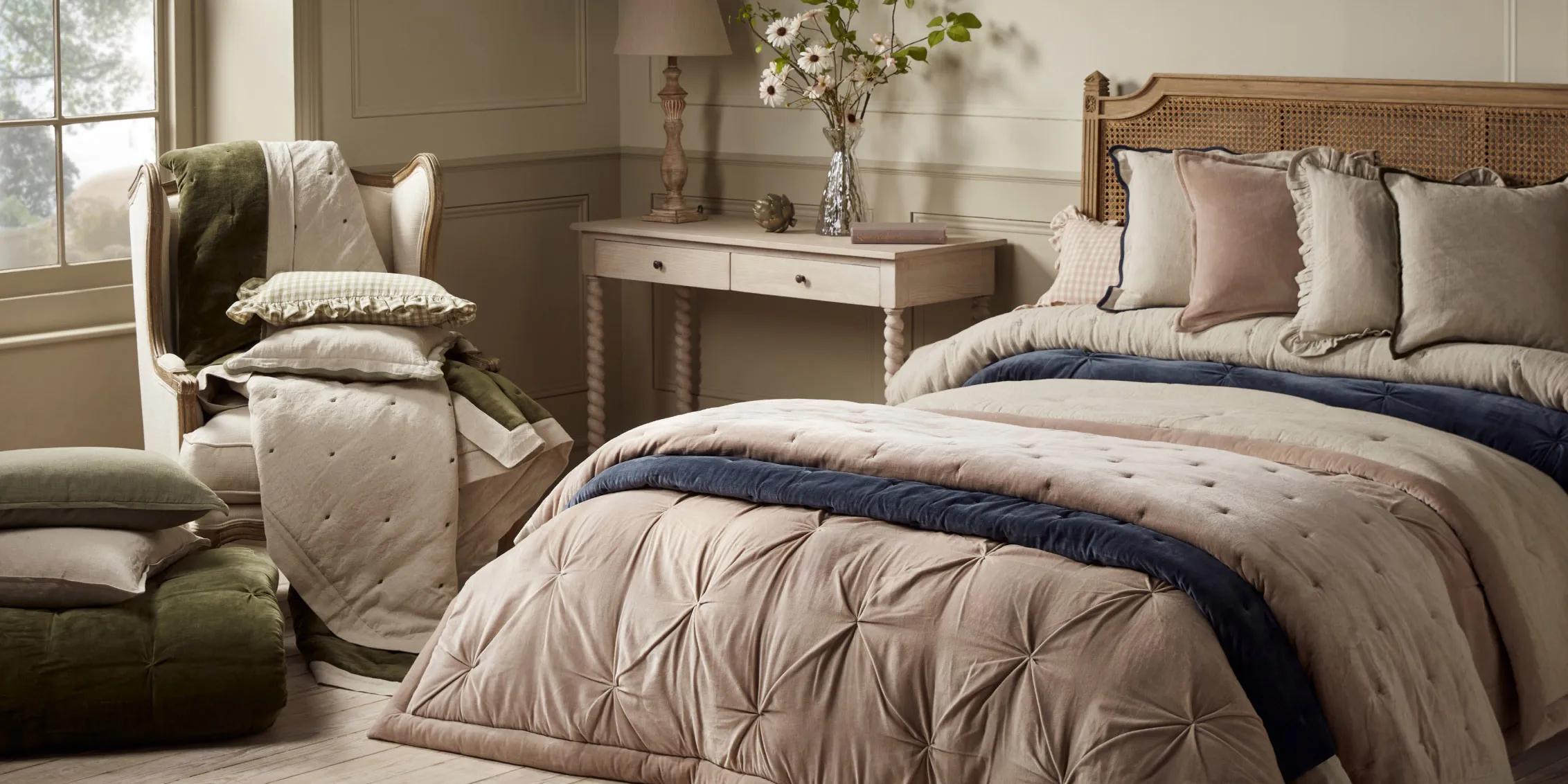
Soft Furnishings: Transform Your Home with Style and Comfort
Understanding Soft Furnishings: The Basics
Soft furnishings encompass a range of textile-based items used in home decor that enhance both comfort and style. They typically include cushions, curtains, throws, and upholstery. These elements play a significant role in the overall aesthetic of a space and are crucial not only for their decorative appeal but also for the comfort they provide. For instance, cushions can dramatically affect the appearance of a room while simultaneously offering support and comfort for seating.
Curtains and drapes are essential soft furnishings that add character and warmth to any room. They come in various materials such as cotton, linen, and polyester. Each fabric type offers unique benefits: cotton is known for its durability and ease of maintenance, while linen provides a crisp, stylish look, albeit with a higher tendency to crease. Depending on the desired look and function, choosing the right fabric for curtains can significantly impact the overall ambiance of a room.
Throws, often used as accent pieces on sofas or beds, not only provide comfort but also serve as layers in a room’s decor. Made from materials like fleece, wool, or cotton, throws can introduce new colors or textures to a space, enhancing visual interest. However, one must consider the maintenance of these fabrics, as some require dry cleaning, which may be inconvenient for everyday use.
Upholstery, another vital component of soft furnishings, refers to the fabric that covers furniture. This can significantly influence both the softness of seating and the overall design of a room. Common upholstery materials include leather, microfiber, and various fabrics, each offering different levels of durability, maintenance, and comfort.
In summary, soft furnishings are an essential part of home decor that contributes both comfort and aesthetic value. By understanding the different types and materials available, homeowners can make informed choices that enhance their living spaces.
Choosing the Right Soft Furnishings for Your Space
Choosing soft furnishings can significantly enhance the aesthetic and comfort of your home. The first step in this process is understanding your personal style and the overall theme you wish to achieve. Consider color palettes that resonate with you, while also harmonizing with existing decor. A well-chosen color scheme can elevate a space, creating an inviting and cohesive environment.
Additionally, the selection of patterns plays a vital role in defining the character of a room. For a harmonious feel, you might want to choose patterned items that complement each other or stick with solid colors for a more minimalist approach. Repeating patterns across various soft furnishings can tie a room together, creating visual interest without overwhelming the space.
Texture is another important aspect of soft furnishings. Incorporating different textures can add depth and dimension to your decor. Consider mixing materials such as soft velvets, crisp linens, and durable cottons to create a layered look that exudes comfort and style. This principle applies equally to cushions, curtains, and throws, which should not only be visually appealing but also feel inviting to the touch.
Durability and maintenance are practical considerations that should not be overlooked. It is essential to select fabrics that are both aesthetically pleasing and suited to the lifecycle of your home. For high-traffic areas, opt for materials that are easy to clean and resistant to wear and tear. Similarly, upholstery fabric should be chosen not solely for its appearance but also for its resilience.
Lastly, don’t hesitate to mix and match different soft furnishings. This approach can create a unique and personalized look. Balance is key, as too many differing styles can lead to a cluttered appearance. By thoughtfully combining various elements, you achieve an inviting and sophisticated atmosphere that reflects your individual style.
DIY Soft Furnishings: Adding Personal Touches
Creating soft furnishings can serve as an excellent way to personalize your living space while also incorporating your own unique style. The process involves simple yet rewarding projects that not only add comfort but also aesthetic value to your home. One of the most popular DIY soft furnishing projects is sewing your own cushions. With a variety of fabrics available, from cotton to polyester blends, you can select colors and patterns that resonate with your home’s theme. Additionally, the ability to customize sizes ensures that each cushion perfectly fits your furniture.
Another approachable project is crafting your own curtains. By utilizing pre-made curtain panels or fabric, you can easily design a window treatment that enhances your interiors. Depending on your sewing skills, you might opt for simple rod pocket curtains or try your hand at more complex designs, such as those with pleats or grommets. Whichever route you choose, adding a personal touch through fabric choice or embellishments will elevate your decor.
Consider also incorporating seasonal decorations into your soft furnishings. For instance, changing cushion covers with the seasons can refresh your space without significant expenditure. You may delve into techniques such as stenciling or appliqué to add unique visuals to your furnishings, which can further enhance the overall design scheme.
DIY soft furnishings not only allow for creativity but also provide a cost-effective way to refresh your home’s style. By dedicating a little time and effort, you can craft items that reflect your taste while contributing to a welcoming and comfortable environment.
Layering Soft Furnishings for Comfort and Style
Layering soft furnishings is a vital technique in interior design that not only enhances comfort but also adds visual depth to a room. This artful combination of elements such as rugs, blankets, and cushions can transform a space into a cozy sanctuary. The key to successful layering lies in the balance and proportion of the different soft furnishings, ensuring that they complement each other while creating a harmonious overall aesthetic.
One effective approach is to start with a solid foundation using a large area rug. A rug not only defines the seating area but also adds warmth and texture underfoot. The choice of rug should consider dimensions of the room and the furniture layout. For instance, a large rug can anchor a seating arrangement, while smaller rugs can define additional areas within an open space. Choosing complementary colors or patterns can enhance the room’s cohesiveness.
Once the rug is in place, introducing blankets adds a layer of warmth and comfort. Select blankets in various textures—such as chunky knits or soft fleece—to create an inviting feel. Drape them over the arm of a chair or the back of a sofa for easy access and aesthetic appeal. When it comes to cushions, opt for a mix of shapes and sizes; larger cushions can fill corners, while smaller decorative cushions can introduce colors and patterns, contributing to the layered look.
To maintain a cozy aesthetic without overwhelming the space, aim for a cohesive color palette that ties the various elements together. Stick to three main colors and incorporate different shades and textures to keep the design dynamic yet coordinated. This approach enhances the room’s comfort while ensuring it feels aesthetically pleasing.