






Embrace the Warmth: Rustic Style Home Decor Ideas for a Cozy Atmosphere
Understanding Rustic Design
Rustic Style embodies a unique charm that draws upon both nature and traditional craftsmanship to create a warm and inviting atmosphere. The essence of rustic decor lies in its emphasis on natural materials, simplicity, and a connection to the environment. By utilizing elements such as wood, stone, and metal, rustic interiors evoke a sense of authenticity and comfort, making it a popular choice for those seeking a cozy ambiance in their homes.
Key characteristics of rustic design include a focus on earthy tones and textures. Colors such as browns, greens, and muted shades are often used, reflecting the natural world and creating a soothing backdrop for various living spaces. Additionally, the use of reclaimed or distressed materials adds a sense of history and character to the decor. This approach not only showcases the beauty of imperfections but also promotes sustainability through the reuse of resources.
Another notable feature of rustic interiors is their simplicity. The design prioritizes functionality and practicality, steering clear of overly ornate details. This minimalist approach fosters a laid-back atmosphere, allowing individuals to relax and feel at home. The furniture often reflects this straightforwardness, with pieces characterized by sturdy construction and straightforward lines.
Rustic decor pays homage to traditional craftsmanship by incorporating handmade items and artisanal touches. Such elements can include woven textiles, hand-carved wood fixtures, or pottery. These items contribute to the overall warmth of the space, inviting one to appreciate the skills and time invested in their creation. In essence, embracing rustic design means celebrating the beauty of nature combined with a rich heritage of craftsmanship, resulting in a tranquil and cozy home atmosphere.
Essential Elements of Rustic Decor
Rustic decor embraces the charm of natural elements, creating a warm and inviting atmosphere within a home. The foundation of this style often rests on three primary materials: reclaimed wood, stone, and metal. Reclaimed wood, sourced from old barns, factories, or furniture, offers a sense of history and authenticity. Its varied textures and rich patinas bring depth to rustic interiors. Complementing wood, natural stone contributes an earthy feel; think exposed brick walls or stone fireplaces that provide a striking visual and tactile element. Metal accents, often featured in light fixtures or hardware, introduce a touch of industrial flair while maintaining a raw, organic aesthetic.
The color palette inherent in rustic decor is typically drawn from the surrounding landscape. Earth tones such as warm browns, deep greens, rich rusts, and soft creams help to reflect nature, creating a cohesive, serene environment. These colors can be seamlessly integrated through wall paint, furnishings, and decorative accents, enhancing the overall rustic atmosphere.
In terms of furniture, rustic style favors robust, often oversized pieces that embody comfort and durability. Think of large farmhouse tables, overstuffed sofas covered in natural fabrics, and sturdy wooden chairs. The aim is to create a lived-in feel where pieces are not only aesthetically pleasing but also functional for everyday use.
Textiles play an indispensable role in enhancing the rustic look. Natural materials like cotton, wool, and linen are frequently used for upholstery and soft furnishings. Consider incorporating plaid or checkered patterns on cushions or throws to evoke a cozy cabin vibe. Additionally, layering different textures through rugs, curtains, and blankets can add warmth and dimension to a rustic space. Accessories such as handmade pottery, vintage finds, and nature-inspired decor can serve as perfect finishing touches, reinforcing the rustic theme and making the space uniquely yours.
Cozy Rustic Living Room Ideas
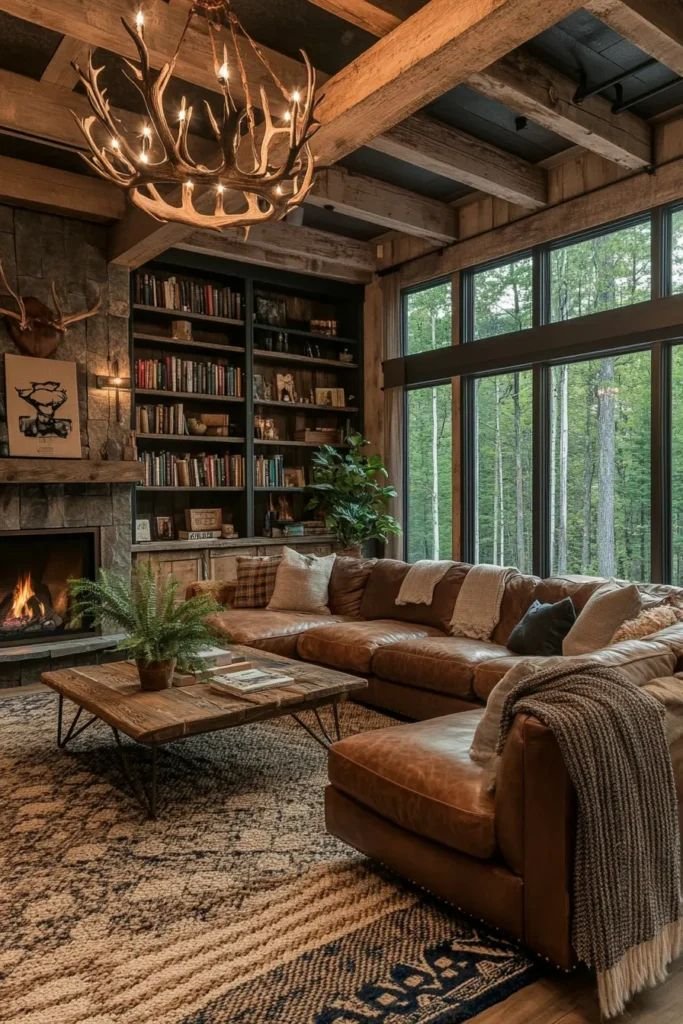
Creating a cozy rustic living room involves thoughtful choices in layout, furniture, and decor that collectively enhance warmth and charm. Begin by considering the layout—furniture should be arranged to foster conversation and intimacy. A configuration centered around a fireplace or coffee table invites sociability and relaxation.
For furniture, opt for pieces that reflect rustic aesthetics. Materials such as reclaimed wood, distressed finishes, and natural fibers contribute to an inviting atmosphere. Choose a comfortable sofa adorned with soft throw pillows in earthy tones or plaids. Adding a handmade wooden coffee table can serve as a stunning centerpiece, enhancing the rustic appeal.
Textiles play a crucial role in the overall ambiance. Incorporate cozy blankets draped over the couch or armchairs, which not only provide warmth but also add layers of texture to the room. Rugs made from natural fibers such as jute or wool can ground the space, making it feel cozy and unified. Consider incorporating vintage pieces or artisan crafts for a personal touch that reflects rustic charm.
Lighting is another essential element that amplifies warmth within a rustic living room. A combination of overhead fixtures, such as wrought iron chandeliers or pendant lamps, alongside table and floor lamps with warm-toned bulbs creates an inviting glow. Accent lighting highlighting artwork or architectural features can also add depth and interest to the space.
Additionally, include decorative elements that resonate with a rustic theme. Artwork featuring nature scenes or landscape photography can infuse the room with a sense of tranquility. Use items like handcrafted pottery or vintage books to accessorize shelves, creating vignettes that tell a story. Each element thoughtfully selected contributes to a cohesive, rustic atmosphere conducive to comfort and relaxation.
Incorporating Rustic Decor in Other Areas of the Home
While the living room often takes center stage in rustic home decor, incorporating elements of this warm aesthetic in other areas of the home can create a cohesive and inviting atmosphere. The kitchen, for example, is an ideal space for rustic decor, where the charm of vintage tableware can be showcased. Consider utilizing wooden open shelving to display antique plates and jars filled with local ingredients or herbs. This not only maximizes functionality but also adds a touch of character to the space.
The dining area is another area that greatly benefits from rustic styling. Choose a dining table made of reclaimed wood, complete with mismatched chairs for an eclectic look. Adding elements such as a handmade table runner or woven placemats can enhance the rustic appeal while encouraging cozy gatherings around the dinner table. Accent the space with natural materials like stone centerpieces or floral arrangements in vintage pitchers to evoke a rustic charm.
In the bedroom, incorporating rustic decor can transform the space into a serene retreat. Opt for bedding in earthy tones or patterns inspired by nature for a warm feel. Consider wooden headboards or distressed dressers that convey a sense of history and character. Soft lighting through wrought iron fixtures or lantern-style lamps can create an intimate ambiance, perfect for relaxation.
Outside, rustic decor elements are equally important. Incorporating weathered outdoor furniture and natural stone pathways can lead to inviting outdoor spaces. Adding rustic accessories, such as wooden planters or a fire pit made from natural materials, enhances the overall ambiance, creating an extension of your rustic indoor style.
By thoughtfully integrating these rustic elements throughout various spaces in the home, a harmonious flow can be achieved, ensuring that the cozy and inviting atmosphere is maintained in every corner.
Bring Rustic Charm to Your Home – Explore Cozy Interior Ideas Today!