









Decorative Paint: Transform Your Walls with Stylish Colors
Understanding Decorative Paint Types
Decorative paint offers a diverse range of techniques that can enhance the aesthetic appeal of interior spaces. Among these, sponge painting is a popular choice due to its versatility and ease of application. This technique involves using a sponge to apply paint, enabling the creation of textures and layered effects. Typically, a base coat is first applied and allowed to dry before the sponge technique is utilized with a complementary color, resulting in a visually intriguing finish that adds depth to walls.
Another widely used approach is stenciling, which allows for precise patterns and designs on walls. This method requires stencils made from various materials, including plastic or card stock, as well as a stencil brush or roller. To achieve the desired effect, paint is applied over the stencil with careful attention to detail, enabling the creation of intricate designs that can enhance specific areas of a room, such as accents around windows or door frames.
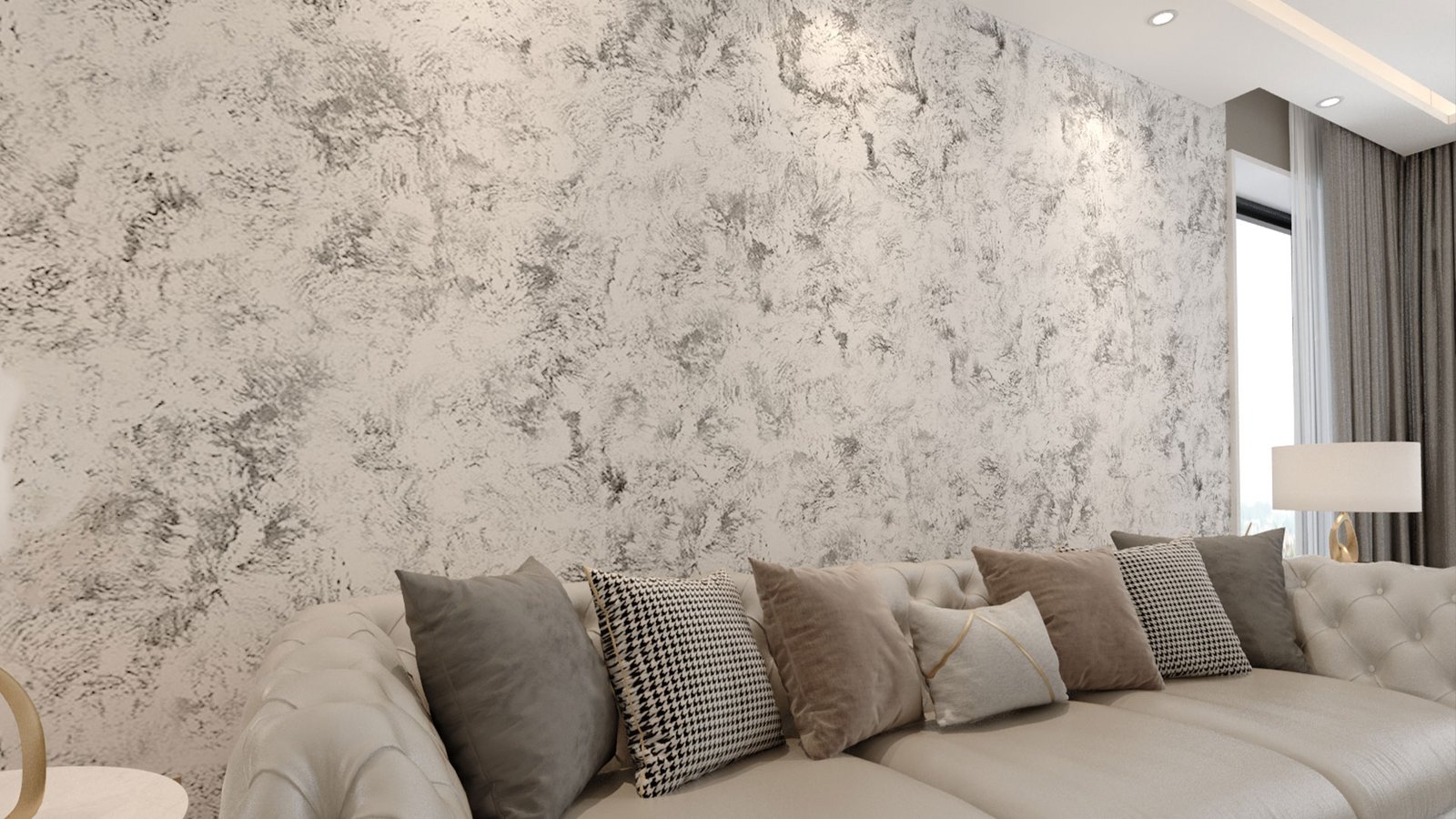
Faux finishes are yet another must-know category in decorative painting. This technique mimics the appearance of materials such as marble, wood, or stone. Tools involved in this process can include brushes, rags, and even combs to create unique textures. Faux finishes often require a base coat followed by a glaze that is manipulated to achieve the desired look. The result is a sophisticated and luxurious finish that can transform ordinary walls into something extraordinary.
Each of these decorative painting techniques has its benefits. Sponge painting allows for easy application and can cover large areas quickly. Stenciling offers precision and can add a unique touch to any room, while faux finishes provide an upscale appearance. When deciding on a technique, homeowners should consider the overall style, desired effect, and the existing decor to make an informed choice that best suits their interior spaces.
Choosing the Right Color Palette
When it comes to selecting the appropriate color palette for your walls, understanding the principles of color theory is essential. Color theory provides a framework for understanding how colors interact with one another, as well as their psychological effects. Colors can evoke different emotions and can significantly influence the perception of space. For example, warm colors like reds and oranges tend to create a sense of warmth and coziness, while cool colors such as blues and greens can impart a calming and spacious atmosphere.
Once you have a basic understanding of color theory, consider how different hues can be combined to create a cohesive and harmonious palette. One effective method is to utilize a color wheel. By choosing colors that are opposite each other on the wheel (complementary colors), or those that are next to each other (analogous colors), you can achieve a balanced look that feels intentional and well thought out.
Furthermore, when selecting a color palette, it is important to consider how these colors will complement your existing décor. Take note of the colors present in your furniture, artwork, and other decorative items. A good rule of thumb is to choose a base color that matches some key element, then build around it with accent colors to create depth and interest.
If you are looking for seasonal updates, consider incorporating trending hues to refresh your space. Soft pastels might work well in spring, while deeper jewel tones are often appealing in fall and winter. Alternatively, if you are feeling bold, try introducing striking contrasts that can redefine your living area. Properly executed, the right color palette can transform your walls from mere backdrops to focal points of your home.
Preparing Your Space for Painting
Preparing your space effectively is crucial for achieving a stunning decorative finish on your walls. The first step in this process is to clean the walls thoroughly. Dust, dirt, and grease can prevent paint from adhering properly, so using a mild detergent mixed with water and a sponge or cloth will help ensure surfaces are clean.
Choosing the appropriate primer is vital, especially if you are painting over a dark or glossy surface. A good primer helps the final color application to look even and vibrant while providing a barrier. If the walls have any stains or uneven textures, using a stain-blocking primer will ensure that the paint covers these imperfections sufficiently.
Taping edges is essential for achieving clean lines and preventing paint from bleeding onto adjacent areas. Use painter’s tape along edges where walls meet trim, windows, or ceilings. This simple step can significantly enhance the professional look of your painted space.
Selecting the right tools also plays a significant role in the overall painting process. High-quality brushes and rollers are essential for a smooth application, while a paint tray can help you manage the paint effectively. Additionally, consider investing in a paint edger for tight spots and around fixtures.
Lastly, safety precautions cannot be overlooked. Ensure the well-ventilation of the room during the painting process to avoid inhaling fumes. Wearing a mask, gloves, and protective eyewear can help safeguard against any harmful substances present in paints and solvents. Taking these preparatory steps is essential not only for the quality of the finish but also for a safe and efficient painting experience.
Maintenance and Care for Decorative Walls
After investing time and effort in a decorative painting project, proper maintenance is crucial to preserve the aesthetic appeal of your walls. Maintaining the beauty of your painted surfaces begins with regular cleaning. It is recommended to use a soft, damp cloth combined with a mild detergent for routine cleanups. Ensure that you avoid abrasive cleaners or rough sponges, as these can damage the paint finish. Routine dusting can also help in minimizing the accumulation of dirt which, if left unattended, can diminish the vibrancy of the colors.
Additionally, it is important to be aware of the durability of your chosen decorative finishes. High-quality paints often provide a more durable and resilient surface that can withstand cleaning and minor wear. However, over time, you may notice areas that require touch-ups. For this, it is advisable to keep leftover paint from your original project to ensure matching colors. Applying a small amount of paint with a fine brush can effectively restore the beauty of your walls.
Environmental factors also play a pivotal role in the upkeep of decorative walls. Sunlight exposure can fade colors over time, particularly vibrant hues. To mitigate this, consider using window treatments or UV-filtering films to protect your walls. Moisture is another factor that can adversely affect painted surfaces, especially in areas prone to humidity such as kitchens and bathrooms. Therefore, it is vital to ensure proper ventilation in these spaces to prevent paint peeling or mold growth.
Regularly inspecting the condition of your walls will help in identifying any issues early on, allowing for prompt intervention. By adhering to these maintenance practices, you can enjoy the lasting beauty of your decorative walls for years to come.