





- Lifestyle
- Architecture
- Art and Decor
- Art and Design
- Blog
- Decorating Tips
- Design
- Design Concepts
- Design Principles
- Design Services
- Design Styles
- Design Technology
- DIY Home Projects
- Furniture and Decor
- Furniture Design
- Home & Garden
- Home and Garden
- Home Decor
- Home Decoration
- Home Design
- Home Improvement
- Interior Design
- أثاث وديكور
- الأثاث
- تصميم
- تصميم داخلي
- ديكور المنازل
- ديكورات منزلية
Embracing Vintage: A Journey Through Time
The Allure of Vintage: Why We Love It
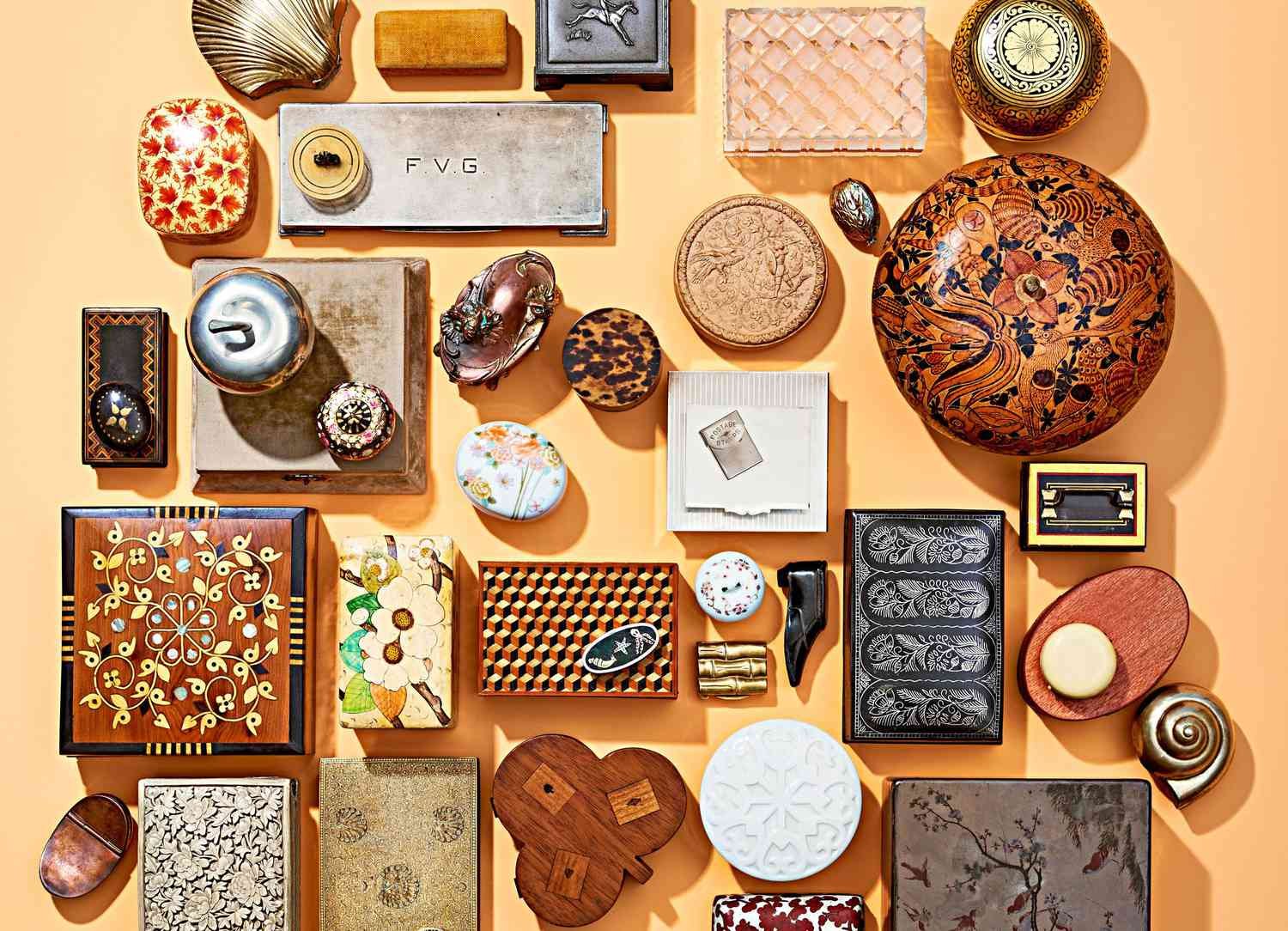
Vintage & Antique Pieces hold a unique appeal, often creating a strong emotional connection with their owners. Each item carries its own story or history, fostering an intimate bond between the object and the individual. This sense of nostalgia can evoke cherished memories or remind us of times gone by, which is why so many people love incorporating vintage & antique pieces into their homes. The character, craftsmanship, and timeless charm of these items make them not just decor, but meaningful additions that enrich any space.
Moreover, the aesthetic value of vintage items cannot be overlooked. With distinct designs and craftsmanship that often surpasses that of contemporary mass-produced alternatives, vintage pieces serve as a testament to the artistry of their time. This quality resonates with individuals who appreciate the character and individuality found in these unique objects. From clothing to furniture, vintage items are visually striking and add depth to any space or outfit.
Additionally, choosing vintage is a conscious decision that aligns with environmental sustainability. In an age where fast fashion dominates the market, the benefits of opting for vintage items are manifold. By purchasing secondhand goods, consumers can lessen their carbon footprint and diminish the demand for new production. This practice not only supports a circular economy but also helps reduce waste, aligning with the growing movement towards eco-conscious living.
In essence, the allure of vintage goes beyond mere aesthetics; it encompasses emotional connections, sustainable choices, and the stories behind unique pieces. By embracing vintage, individuals do not just adorn their lives with beautiful items, but they also participate in a larger narrative that prioritizes sustainability and timeless style.
Identifying True Vintage: A Comprehensive Guide
When exploring the fascinating world of vintage items, recognizing authenticity is essential for collectors and enthusiasts alike. Vintage generally refers to items that are at least 20 years old, encompassing three primary classifications: antique (100 years or older), vintage (20 to 99 years), and retro (items from the 20th century that evoke a nostalgic appeal but are not necessarily vintage).
One of the first steps in identifying true vintage items is examining the labels. Authentic vintage clothing, for instance, often has specific brand labels that may not exist today. Researching these labels can provide valuable insights into the age and authenticity of the piece. Additionally, consider the materials used; vintage clothing might be made from natural fibers such as cotton, wool, or silk, contrasting with modern items manufactured from synthetic materials. The quality of stitching is another crucial indicator; vintage craftsmanship often reflects a level of detail that is less prevalent in contemporary mass-produced goods.
Another aspect to consider is the overall aesthetic and design of the item. Vintage fashion usually embodies unique patterns, cuts, and styles characteristic of the era it hails from. For example, 1920s flapper dresses often feature fringe and beads, whereas 1980s attire may showcase bold colors and oversized silhouettes. Having an eye for these stylistic details can significantly aid in discerning vintage from merely retro or modern replicas.
For those looking to delve deeper into their vintage quest, a plethora of resources can aid in research. Online databases, vintage fashion forums, and dedicated social media groups provide excellent avenues for knowledge exchange and expertise. Books about fashion history and collectibles can also serve as indispensable references. Furthermore, platforms like Etsy and specialized vintage boutiques often highlight the age and authenticity of items, providing buyers with reassurance. By being informed and attentive to these details, enthusiasts can successfully navigate thrift shops, flea markets, and online boutiques to unearth genuine vintage treasures.
Vintage Styles: Fashion Trends Through the Decades
The evolution of fashion is a fascinating reflection of societal changes, cultural movements, and individual expression. Vintage fashion, in particular, has seen a magnificent transformation over the decades, becoming emblematic of the periods they represent. Starting from the 1920s, this era was marked by the flapper style, where women embraced short hemlines and bobbed hair, embodying the spirit of liberation post-World War I.
Moving into the 1930s and 1940s, fashion became more practical due to economic challenges and the impact of World War II. Women often wore tailored outfits, with an iconic silhouette shaped by the use of structured fabrics and traditional patterns. The 1950s, conversely, heralded a return to femininity, with full skirts and cinched waists dominating the fashion scene. Designers like Christian Dior introduced the “New Look,” which celebrated curves and emphasized a polished appearance.
The 1960s revolutionized fashion, influenced heavily by music and youth culture. The mod style emerged, characterized by bold colors, geometric patterns, and mini skirts, thanks to icons like Twiggy. Following this, the 1970s embraced bohemian aesthetics, with flowing fabrics and earthy tones reflecting the counterculture movements of the time. This decade also heralded the disco era, featuring glitzy outfits perfect for nightlife.
The evolution continued into the 1980s, where fashion became synonymous with excess, marked by vibrant colors, oversized silhouettes, and powerful shoulder pads. The grunge movement of the 1990s then contrasted sharply with its predecessors, prioritizing a more casual and androgynous look that embraced individuality and rebellion against established norms.
In summary, each decade has left a distinct mark on the landscape of vintage fashion, heavily influenced by music, social movements, and the quest for personal style. These eras continue to inspire contemporary designers, highlighting the enduring legacy of vintage clothing in modern wardrobes.
Caring for Vintage Items: Preservation Tips
Caring for vintage items is crucial for preserving their integrity and value over time. Vintage pieces, often characterized by their distinctive craftsmanship and historical significance, require special attention to maintain their condition. Proper cleaning techniques are essential, as many vintage items are made from delicate materials that can be easily damaged. When cleaning, always opt for gentle, non-abrasive products and use soft cloths or brushes to avoid scratches. For fabrics, consider using a mild detergent or specifically formulated cleaners that cater to vintage textiles.
Storage is another vital aspect of preserving vintage items. Ideally, items should be stored in a cool, dry environment, away from direct sunlight, which can lead to fading and deterioration. Utilize acid-free materials for wrapping and packaging, as these can help reduce the risk of chemical reactions that may harm the vintage piece. For furniture and larger items, make sure they are placed on protective pads to avoid scratches and provide adequate ventilation to prevent mold.
Repairing vintage items should be approached with caution. It is often advisable to consult professionals who specialize in the restoration of vintage pieces. When making repairs, using materials that match the original composition is essential to maintain authenticity. Understanding the materials used in vintage items, whether they be wood, metal, or fabric, enables owners to choose the right methods and products for maintenance. This knowledge can significantly aid in successful preservation and in ensuring that cherished vintage items remain part of the family for generations to come.
Bring history and charm into your home – explore our vintage & antique pieces today!
Transform your home with unique vintage & antique pieces – start exploring today!