






- Home Design
- Art and Decor
- Art and Design
- Blog
- Decorating Tips
- Design
- Design Concepts
- Design Principles
- Design Services
- Design Styles
- Design Technology
- DIY Home Projects
- Furniture and Decor
- Furniture Design
- Home & Garden
- Home & Living
- Home and Garden
- Home Decor
- Home Decoration
- Home Improvement
- Interior Design
- أثاث وديكور
- الأثاث
- تصميم
- تصميم داخلي
- ديكور المنازل
- ديكورات منزلية
Mid-Century Modern Interior Design: Timeless Style for Contemporary Homes
What is Mid-Century Modern Design?
Mid-century modern design is a style that emerged in the mid-20th century, specifically between the 1940s and 1960s. It reflects the cultural shifts and new technologies of post-World War II America, where a focus on simplicity and functionality became paramount. This movement was not only a response to the decorative excesses of previous design styles but also an embrace of modernity, characterized by its unique, minimalist aesthetic.
Mid-Century Modern design was shaped by influential designers such as Charles and Ray Eames, George Nelson, and Hans Wegner, who played crucial roles in defining this iconic aesthetic. Their innovative use of materials like molded plywood, fiberglass, and metal resulted in furniture pieces that perfectly balance art and functionality. The Mid-Century Modern style is exemplified by the Eames Lounge Chair, with its curved form and distinctive shell, showcasing comfort combined with clean, timeless design principles. Today, Mid-Century Modern interiors continue to inspire stylish and functional living spaces around the world.
Key characteristics of mid-century modern design include clean lines, organic forms, and a seamless merging of indoor and outdoor spaces. This style often utilizes large windows to invite natural light and allow for a connection with nature, reflecting an appreciation for the surrounding environment. Color palettes typically embrace a mix of warm and cool tones, with an emphasis on natural materials. Wood finishes, textiles, and plastics are thoughtfully combined to create a harmonious and inviting atmosphere.
Furthermore, functional furniture is a hallmark of mid-century modern design, with pieces that serve a purpose while maintaining an artistic flair. This design philosophy champions the idea that aesthetics and utility should coexist, making it both timeless and relevant in contemporary settings. As current homeowners and designers look back at this era, mid-century modern interior design continues to inspire and resonate with audiences, celebrating an enduring legacy of creativity and innovation.
Key Features of Mid-Century Modern Interiors
Mid-century modern interiors are characterized by several distinctive elements that reflect a harmonious blend of form and function. One of the foremost features is the emphasis on open spaces. This design philosophy encourages a sense of fluidity and integration within the home, allowing for seamless transitions between rooms and an effective use of natural light. Interior spaces are often designed to feel expansive, blurring the lines between indoor and outdoor areas.
Another significant quality of mid-century modern design is its strong connection with nature. Large windows and sliding glass doors are common, promoting the idea of bringing the outside in. This orientation not only enhances the aesthetic appeal but also encourages a more sustainable lifestyle by maximizing natural ventilation and light. Such design choices often feature natural materials, such as wood, stone, and leather, reinforcing the sensibility of using environmentally friendly resources.
Bold colors and graphic patterns are also trademarks of this design style. Accent walls adorned with vibrant hues, complementing decor pieces, or vintage fabrics can create a visual impact that energizes spaces. The incorporation of geometric shapes and patterns adds a layer of dynamism to these interiors, making them visually stimulating while still maintaining an overarching sense of cohesion.
In terms of furniture, mid-century modernism celebrates pieces that are both aesthetic and functional. Iconic designs from the era, such as the Eames lounge chair or the Noguchi coffee table, reflect a commitment to craftsmanship and innovative use of materials. These pieces not only serve practical purposes but also function as artistic focal points within a room. The style embraces minimalism, stripping away excess while still providing warmth and character through balanced compositions and clever design choices.
Incorporating Mid-Century Modern Elements into Contemporary Homes
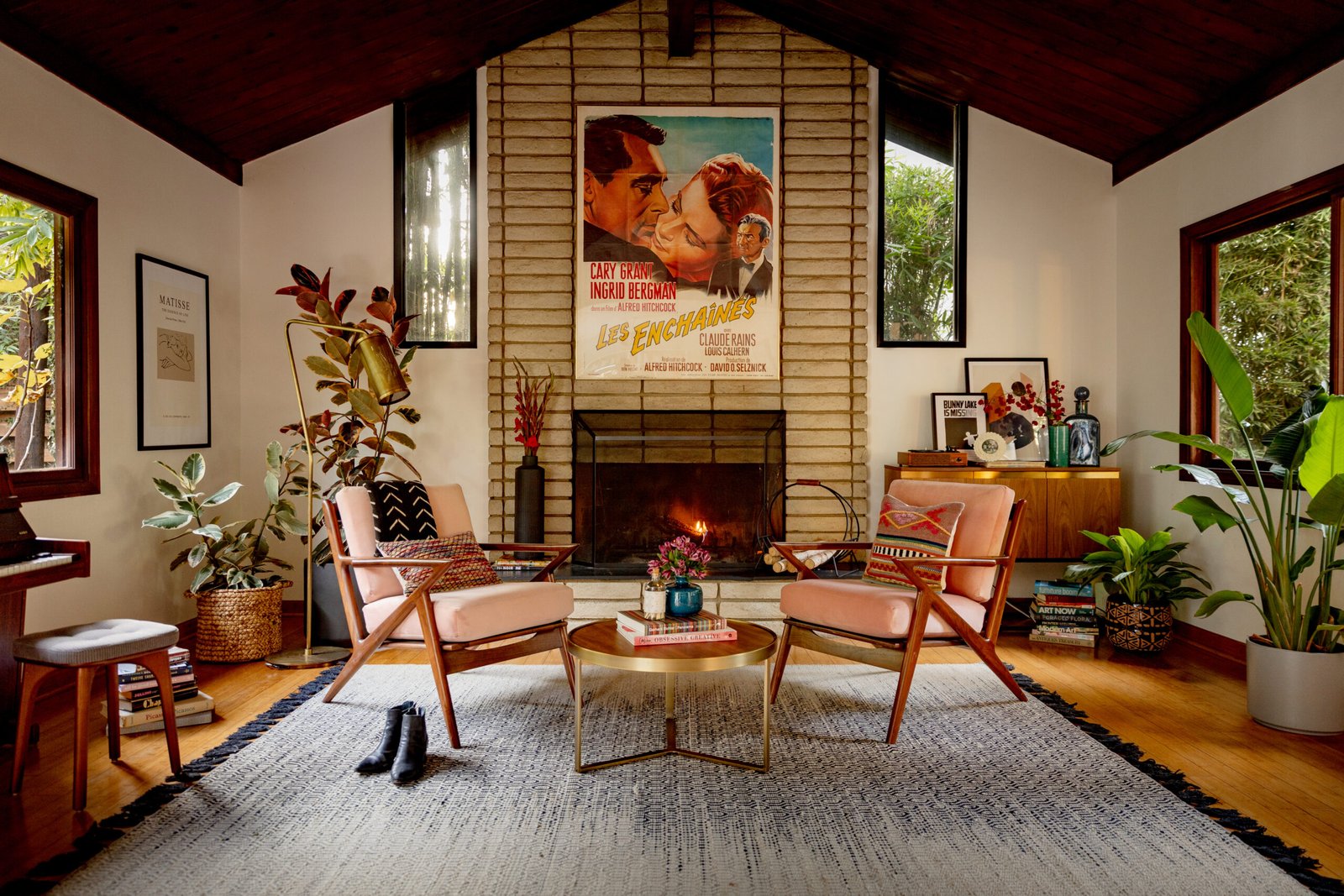
Integrating mid-century modern elements into contemporary homes creates a unique design aesthetic that marries the classic with the current. When selecting furniture, opt for pieces that embody the clean lines and organic forms characteristic of mid-century design. Iconic items, such as Eames chairs or low-profile sofas, can serve as focal points in a room while also offering comfort and functionality.
Choosing the right color palette is essential in this integration process. Mid-century modern designs typically feature earthy tones, alongside bold splashes of color. Incorporate colors such as mustard yellow or teal to accentuate furniture and decor. These vibrant elements can enliven a contemporary space while maintaining the nostalgia associated with mid-century hues. Pair these colors with a neutral backdrop to allow the mid-century pieces to stand out.
In terms of decor, accessories like geometric patterns and vintage-inspired artworks can further enhance the mid-century aesthetic. Modern homes often benefit from elements like abstract sculptures or classic pendant lighting, which can evoke a sense of timelessness. Mixing these accessories with contemporary elements is crucial for achieving a cohesive look, as juxtaposing different design styles can lead to a dynamic, visually engaging environment.
Sourcing authentic mid-century furniture can be accomplished through vintage shops, online marketplaces, and auctions. If authentic pieces are difficult to find, there are numerous replicas available that capture the essence of the era without compromising on quality. When incorporating these elements into your home, keep in mind the importance of balance. The goal is not to recreate a mid-century home but rather to appreciate and honor its elements within a contemporary framework.
The Enduring Appeal of Mid-Century Modern Design
The enduring appeal of mid-century modern design can be attributed to its fundamental principles which resonate well with contemporary lifestyles. This design philosophy emphasizes simplicity, functionality, and a connection with nature, making it a perfect fit for today’s urban dwellers seeking both beauty and practicality in their homes. A hallmark of this style is its clean lines and organic forms, derived from the desire to create spaces that feel open and welcoming. These qualities ensure that mid-century modern interiors remain relevant, as they evoke a sense of tranquility amid the rapid pace of modern life.
Moreover, mid-century modern design holds significant cultural and historical relevance, tracing its roots back to the post-World War II era. During this time, there was a shift towards mass production, which democratized design and made quality furnishings attainable for the average person. As such, this movement not only influenced architecture but also carved a path for contemporary design trends that prioritize sustainability alongside aesthetics. The seamless integration of nature through large windows and open spaces reflects a growing consciousness toward our environmental connection, a principle that is still highly valued today.
As individuals strive to create spaces that are both stylish and comfortable, mid-century modern design emerges as a preferred choice due to its versatility. Today, it is frequently incorporated in various residential settings, often blended with other styles to enhance aesthetic appeal while retaining its core values. This adaptability allows homeowners to personalize their environments while remaining connected to a rich design heritage. By incorporating mid-century elements, one can elevate their living spaces, enjoying not only the visual appeal but the functional benefits that come alongside thoughtful design choices.