





- Workplace Design
- Art and Decor
- Art and Design
- Decorating Tips
- Design
- Design Concepts
- Design Principles
- Design Services
- Design Styles
- Design Technology
- DIY Home Projects
- Furniture and Decor
- Furniture Design
- Home & Garden
- Home and Garden
- Home Decor
- Home Design
- Home Office
- Interior Design
- Life Style
- أثاث وديكور
- الأثاث
- تصميم
- تصميم داخلي
- ديكور المنازل
- ديكورات منزلية
Office Décor That Boosts Productivity: Transform Your Workspace
Understanding the Connection Between Office Décor and Productivity
The relationship between office décor and productivity is a multifaceted subject that encompasses theoretical frameworks and practical applications. Various studies in environmental psychology suggest that the physical surroundings of a workplace play a crucial role in shaping employee mood, motivation, and overall efficiency. For instance, a well-designed workspace can enhance cognitive performance, leading to increased job satisfaction and productivity.
One vital aspect of office décor is the color scheme. Choosing the right hues can significantly impact productivity and mood. Research indicates that certain colors evoke specific emotions and behavioral responses. For instance, blue tones in office décor promote calmness and focus, helping employees concentrate, while brighter colors like yellow stimulate creativity but may distract if overused. Incorporating these principles into your office décor ensures a workspace that balances focus and inspiration. For a complete office décor transformation, consider lighting, furniture placement, and decorative accents to complement your chosen colors.
Moreover, the arrangement of furniture and the layout of an office can significantly affect workflow and collaboration. Open office spaces promote teamwork and communication, yet they may also introduce distractions that can hinder individual focus. Conversely, private or semi-private workstations may encourage concentration but could limit opportunities for spontaneous collaboration. Balancing these elements is key to optimizing productivity.
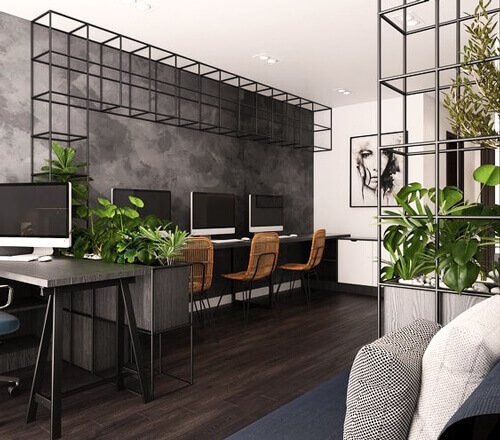
Incorporating natural elements into office décor, such as plants and natural light, also proves beneficial. Studies show that greenery can improve air quality and boost mood, which subsequently enhances cognitive functions and creativity. Furthermore, adequate lighting, preferably natural, is not only essential for comfort but also for reducing eye strain and increasing alertness.
In summary, understanding the connection between office décor and productivity involves considering various elements, including color, layout, and the integration of natural components. By thoughtfully designing the workspace, organizations can cultivate an environment that promotes both employee well-being and productivity.
Essential Elements of a Productive Office Space
Creating a productive workspace starts with thoughtful office décor that supports employee wellbeing and efficiency. One crucial element is natural lighting, which can dramatically improve productivity. Properly designed office décor incorporates access to sunlight through large windows or skylights, reducing eye strain, boosting mood, and increasing energy levels. Employees working in well-lit environments with strategic office décor choices often find it easier to concentrate and achieve better results. Positioning desks and workstations near these light sources ensures that both the functionality and aesthetics of office décor contribute to an inspiring and efficient workspace.
Another important aspect is ergonomics in furniture design. Ergonomic office furniture, including adjustable chairs and desks, can foster physical comfort and support. A workstation that accommodates the natural posture of employees helps reduce discomfort and the risk of injury, promoting longer periods of concentrated work. Investing in ergonomically designed furniture ultimately contributes to increased employee productivity and satisfaction.
Furthermore, the inclusion of plant life within the office decor can serve dual purposes; enhancing air quality and aesthetics. Plants not only help to purify the air by absorbing toxins, but they also create a more inviting and relaxing environment. Biophilic design, which emphasizes the connection between nature and employees, fosters a more inspiring workplace that can stimulate creativity and focus. Studies have indicated that the presence of greenery can also lower stress levels, which indirectly supports higher productivity rates.
Finally, adding personal touches that reflect individual employee identities is essential in cultivating an inspiring atmosphere. Personalization through decorative items, photographs, or art can create a sense of ownership over one’s workspace. This act of self-expression allows employees to feel more comfortable and connected to their work environment, enhancing their overall motivation and productivity.
Incorporating Color Psychology into Office Décor
Color psychology plays a significant role in creating a productive work environment. The manner in which colors influence our mood and productivity levels has been well-documented, making it essential to incorporate the right hues into office décor. Different colors evoke specific feelings and can inspire various psychological responses. By understanding how colors work, businesses can create spaces that not only enhance aesthetics but also promote efficiency.
For example, blue is often associated with calmness and focus. This makes it an ideal choice for environments where employees engage in detail-oriented tasks or need to concentrate. Utilizing blue accents in walls or décor can help establish a serene atmosphere. In contrast, yellows and oranges are known for stimulating creativity and energy, making them suitable for brainstorming rooms or collaborative spaces. Introducing these vibrant colors can encourage innovative thinking among team members.
Another important color palette to consider is green, which is linked to balance and tranquility. Incorporating green elements, such as indoor plants or green-themed artwork, can foster a sense of well-being, thus allowing employees to feel more at ease and less stressed. On the other hand, red can increase urgency and is often best used sparingly, perhaps in accents, to draw attention to areas needing focus or quick action.
When designing an office space, companies should be mindful of their branding as well. This requires a careful selection of colors that align with their corporate identity while incorporating the principles of color psychology. By effectively merging these elements, businesses can enhance their overall work environment. Practical tips for integrating color include painting specific walls, selecting furniture in desired hues, and utilizing décor items that align with the chosen color scheme. By thoughtfully applying these strategies, offices can significantly improve their aesthetic appeal and overall productivity.
Practical Tips for Redesigning Your Office Décor
Redesigning your office décor can create a transformative environment that enhances employee productivity. To embark on this journey, begin by establishing a clear budget. It is crucial to determine financial parameters, allowing for calculated decisions regarding furniture, accessories, and design elements. Allocating funds appropriately for various aspects of the redesign can avoid overspending while maximizing design effectiveness.
Consider implementing DIY projects that promote a personalized workspace. Simple tasks such as painting walls, organizing clutter, or adding plants can significantly enhance the aesthetic and functionality of the office. Use colors that evoke productivity—such as blues for calmness or greens for creativity—while ensuring the space remains inviting. Incorporating employee feedback during the process can facilitate a sense of ownership, fostering a more motivated workforce.
Sourcing stylish and functional office furniture plays a pivotal role in a successful redesign. Explore options that prioritize ergonomics, ensuring comfort and safety for employees. Modular furniture can provide seating and workspace flexibility, accommodating various activities and team collaborations. Online marketplaces and local artisans often offer unique pieces that blend design and practicality while supporting smaller businesses.
In addition to physical changes, employee involvement is essential in the redesign process. Conduct surveys or focus groups to gather insights on what they believe will enhance their workspace. Engaging employees not only empowers them but can also lead to significant improvements in job satisfaction and performance. Moreover, assessing the effectiveness of these changes over time is important. Tracking productivity metrics and gathering employee feedback post-redesign will provide clarity on the impact of the newly designed office décor.
In conclusion, redesigning your office to boost productivity involves a careful blend of budget management, creativity, employee involvement, and tracking effectiveness. Each of these elements contributes to a workspace that inspires and energizes, ultimately leading to a more productive workforce.