




- Home Improvement
- Art and Decor
- Art and Design
- Decorating Tips
- Design
- Design Concepts
- Design Principles
- Design Services
- Design Styles
- Design Technology
- DIY Home Projects
- Furniture and Decor
- Furniture Design
- Home & Garden
- Home Decor
- Home Design
- Home Office
- Interior Design
- أثاث وديكور
- الأثاث
- تصميم
- تصميم داخلي
- ديكور المنازل
- ديكورات منزلية
Smart Home Interior Design: Combining Technology with Style
Understanding Smart Home Technology
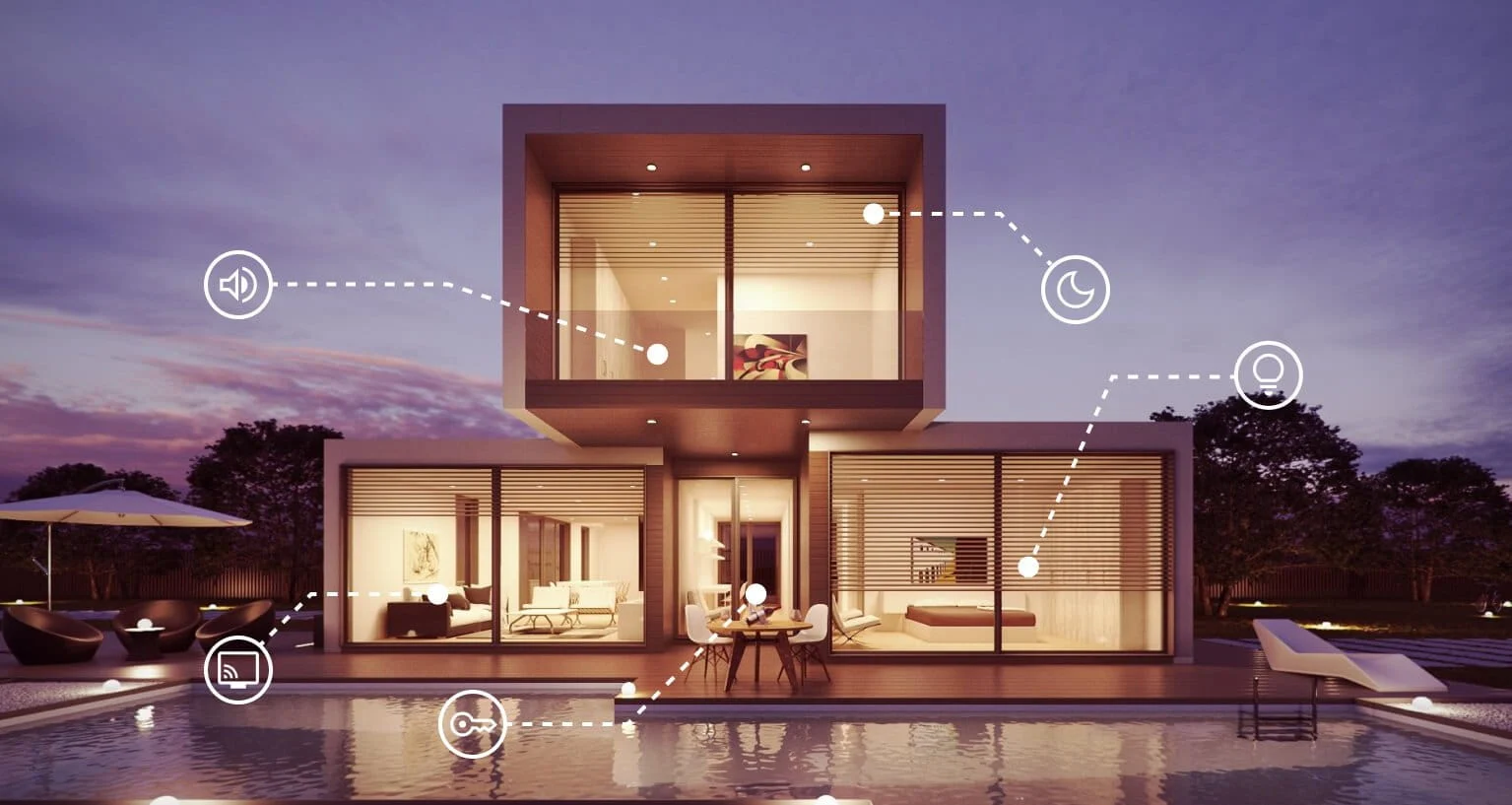
Smart home technology represents a significant evolution in residential design, integrating technological advancements into everyday living. This evolution has led to a transformative approach in how we manage our homes, allowing for enhanced convenience, enhanced security, and improved energy efficiency. At its core, smart home technology encompasses a range of devices and systems that communicate and cooperate with each other, optimizing the household environment for comfort and functionality.
The types of smart devices available today are diverse, spanning several categories. Smart lighting systems enable homeowners to control lighting via mobile apps or voice commands, allowing for custom illumination scenarios that enhance both aesthetics and energy savings. Meanwhile, smart security systems provide comprehensive surveillance solutions, allowing for remote monitoring, alerts, and the ability to lock or unlock doors from anywhere. Home automation systems further augment lifestyle benefits, automating daily tasks such as temperature regulation, water management, and appliance control, often through integration with smart assistants.
Energy management devices play a crucial role in maximizing efficiency in a smart home. Smart thermostats, for instance, utilize artificial intelligence to analyze user habits and adjust heating and cooling settings accordingly, reducing utility costs while maintaining comfort. Similarly, smart plugs and outlets can monitor energy consumption, helping homeowners make informed decisions about their electrical usage.
Beyond mere convenience, the implementation of smart home technology enhances security through remote monitoring and real-time alerts, providing homeowners peace of mind whether they are at home or away. Overall, the integration of these devices not only simplifies daily life but also supports a more sustainable approach to living, demonstrating the multifaceted benefits of embracing smart technology in residential settings.
The Importance of Aesthetic Design
Aesthetic design plays a crucial role in shaping interior spaces, integrating not only beauty but also functionality. The visual appeal of a room significantly influences one’s mood and overall experience within that environment. When navigating the complexities of interior design, particularly in a smart home context, it is essential to select a design language that harmonizes seamlessly with the technological elements incorporated into the space.
Various design styles can be explored when creating a smart home that remains visually appealing, including minimalism, contemporary, and rustic designs. Minimalism emphasizes simplicity and clean lines, making technology discreetly blend into the surroundings. This style not only prioritizes function over form, aligning perfectly with smart technology’s often unobtrusive nature, but also promotes a sense of tranquility and order.
In contrast, contemporary design reflects current trends while being both innovative and flexible. It emphasizes open spaces and utilizes bold accents, allowing smart devices to enhance the aesthetic rather than detract from it. This approach enables the integration of sleek devices, augmenting the contemporary vibe without overwhelming the eye.
Rustic design infuses warmth and charm into smart homes, utilizing natural materials such as wooden beams and stone accents. This style can effectively incorporate technology by using hidden compartments or cleverly disguised devices that do not disrupt the inviting ambiance of the space. Furthermore, rustic elements can echo the principles of sustainability, often aligning with energy-saving smart technologies.
The synthesis of aesthetic design and smart technology is pivotal for creating a cohesive living environment. By thoughtfully combining various design styles, homeowners can enhance their spaces, ensuring comfort and functionality while maintaining a visually pleasing atmosphere. Prioritizing aesthetic consideration is essential in cultivating a smart home that reflects personal style and promotes well-being.
Integrating Technology with Interior Design
As modern homes evolve, the integration of smart technology into interior design has become imperative for homeowners seeking convenience and functionality without compromising aesthetic appeal. To successfully achieve a harmonious blend of technology with design, careful planning is crucial. This planning includes considerations for wiring requirements, placement of devices, and the selection of finishes that complement existing decor.
When commencing a smart home design project, homeowners should first evaluate their space and determine the areas where technology can enhance living experiences. For example, identifying points of entry for smart lighting, temperature control, or security systems allows for effective wiring that is both efficient and discreet. It’s essential to work with professionals who specialize in smart installations to ensure that all devices are properly integrated without detracting from the home’s overall design ethos.
Additionally, the choice of finishes plays a significant role in seamless integration. Opting for smart devices that come in various colors and styles ensures that they do not clash with the interior aesthetic. For instance, a smart thermostat can be designed to blend with wall colors or existing fixtures, maintaining a cohesive look throughout the space. One successful case study involves a contemporary residence where smart blinds were incorporated; they controlled natural light while also being designed in a fabric that echoed the surrounding decor.
Homeowners can draw from a variety of resources—social media, design blogs, and case studies documenting successful smart home integrations—to inspire their own projects. By learning from examples, they can find unique ways to incorporate technology into their interiors thoughtfully. Moreover, the balance between comfort, efficiency, and style remains a pivotal goal in any smart home design endeavor.
Future Trends in Smart Home Interiors
The evolution of smart home interiors is rapidly advancing, with emerging trends set to redefine the way we approach residential design. One significant area of innovation is the introduction of smart materials, which incorporate advanced technology to enhance functionality. These materials can respond dynamically to environmental changes, providing increased comfort and efficiency. For instance, glass that tints automatically based on sunlight exposure can contribute to better thermal regulation and energy savings within the home, blending seamless functionality with modern aesthetics.
Sustainable design practices are also gaining traction amid growing awareness of environmental issues. Homeowners are increasingly seeking eco-friendly solutions that not only reduce their carbon footprint but also enhance their living spaces. This trend is manifesting in the adoption of recyclable materials, energy-efficient appliances, and smart systems that optimize resource usage. By integrating these sustainable practices, interiors not only become more stylish but also align with contemporary ecological values, ultimately leading to a more responsible approach to home design.
An additional driving force influencing the future of smart home interiors is the rise of artificial intelligence (AI). AI technology has the potential to create highly personalized experiences, learning user preferences and adjusting home settings accordingly. This adaptation of AI can go beyond mere convenience; it can enhance security, create ambient atmospheres, and streamline daily tasks. With increased consumer interest in tailored living environments, designers will need to prioritize user experience and personalization in their smart home solutions. As tastes evolve, the challenge for designers will be to balance functionality with aesthetic appeal, ensuring that smart home interiors not only serve a purpose but also reflect individual style.
Step into the Future of Living – Browse Smart Home Interiors Today!