




Interior Design Inspiration: Color and Lighting
Interior Design Inspiration: Harnessing the Power of Color in Your Home
Interior Design Inspiration begins with understanding the impact of color in your home. Color shapes perception, influences mood, and creates ambiance. By applying color psychology, you can transform any space to reflect energy, calm, or creativity.For instance, warm colors, such as reds and oranges, can create an inviting and energetic atmosphere, making them ideal for social spaces like living rooms or dining areas. On the other hand, cool tones, including blues and greens, are associated with tranquility and calmness, making them perfect for bedrooms or meditation spaces.
Interior Design Inspiration often begins with selecting the perfect color palette. A well-chosen palette enhances both the aesthetic appeal and functional experience of a room. For example, a palette incorporating soft greens and creams can make a small space feel expansive, while darker shades can add depth and coziness. In interior design inspiration, lighting is equally important, as it interacts with color and affects perception. Natural light brightens hues, while artificial lighting softens them, making thoughtful consideration of light essential in any design.
When selecting colors, it is important to think about the overall theme and function of each room. A harmonious blend of shades can tie a living space together, transforming it into a cohesive experience. For instance, utilizing warm neutrals alongside vibrant accent colors can bring energy without overwhelming the senses. Incorporating various textures and finishes also enhances the visual interest of a color scheme. For instance, glossy finishes can amplify the vibrancy of a color while matte tones can add subtle sophistication.
Ultimately, the impact of color in interior design extends beyond mere aesthetics; colors enable us to create atmospheres that reflect our personal tastes and meet the functional needs of our environments. This careful selection and combination of colors create spaces that resonate with our desired lifestyle.
Understanding Lighting in Interior Design
Interior Design Inspiration often emphasizes the crucial role of lighting, which impacts both the aesthetic appeal and functionality of a space. The interplay of light and shadow can transform an ordinary room into an extraordinary one, highlighting architectural features and setting the perfect mood. For those seeking interior design inspiration, it’s important to consider the three primary types of lighting every designer uses: ambient, task, and accent lighting.
Ambient lighting serves as the foundation of any lighting design scheme. It provides overall illumination and helps to create a comfortable level of brightness throughout the room. Common sources of ambient light include ceiling-mounted fixtures, chandeliers, and wall sconces. Incorporating dimmers can further enhance this type of lighting, allowing homeowners to adjust the brightness according to their mood or the time of day.
Task lighting, on the other hand, is specific lighting intended for various activities such as reading, cooking, or working. This type of lighting should be bright enough to illuminate work areas without causing glare. Often provided by desk lamps, under-cabinet lights, or pendant lights, task lighting can be strategically positioned to enhance productivity, making it indispensable in zones where tasks are performed.
Accent lighting is often used to highlight particular features or objects in a room, such as artwork or architectural details. This type of lighting adds depth and interest to interior spaces by creating dramatic effects. Spotlights, picture lights, and wall-mounted fixtures are excellent examples of accent lighting applications. The key to successful accent lighting lies in its ability to draw the eye and add dimension to a space.
Natural light is another crucial consideration in interior design. Maximizing the available sunlight not only helps to reduce energy costs but also contributes to the overall ambiance of a room. Utilizing window treatments that allow light to filter in while maintaining privacy can significantly enhance the experience of a space.
In conclusion, understanding the diverse types of lighting, as well as the significance of natural light, is essential in achieving the desired aesthetic and functionality in interior design. By integrating ambient, task, and accent lighting, designers can create harmonious environments that cater to various needs and preferences.
Combining Color and Lighting for Optimal Design
The synergy between color and lighting is a key aspect of interior design inspiration, essential for creating a harmonious and visually appealing space. Thoughtful selection of both elements can dramatically enhance a room’s aesthetic and mood. For those seeking interior design inspiration, understanding how colors react under different types of lighting is fundamental to crafting the perfect design scheme.
When selecting colors, interior design inspiration emphasizes the importance of considering both natural and artificial light sources in a room. For example, warm colors like reds and yellows can appear even warmer under incandescent lighting, while cooler tones such as blues and greens may feel more subdued. For those seeking interior design inspiration, testing paint samples under different lighting conditions is essential to ensure that the chosen hue complements the desired ambiance.
Lighting fixtures themselves can also affect how colors are perceived in a room. A well-placed lamp can illuminate a colorful artwork, enhancing its visual impact, while poor lighting may reduce its vibrancy. Therefore, selecting the appropriate light temperature is crucial: cooler, bluish tones (around 5000K) are favorable for tasks in home offices or kitchens, while warmer tones (around 2700K-3000K) create a cozy atmosphere for living rooms and bedrooms.
Additionally, layering different types of lighting, such as ambient, task, and accent, provides an excellent opportunity to play with color dynamics. Ambient lighting sets the overall tone of the room, task lighting is aimed at functional areas, and accent lighting highlights specific design features. By incorporating these layers, one can achieve depth and dimension that complements the color palette.
For successful implementation, consider various lighting strategies that not only illuminate the space but also highlight the chosen color scheme effectively. This balance between color and lighting ultimately leads to a cohesive and inviting environment, demonstrating the importance of their interaction in interior design.
Current Trends in Color and Lighting for Interiors
In the dynamic world of interior design inspiration, color and lighting are pivotal in shaping both the ambiance and functionality of a space. Current trends show that designers are favoring a harmonious blend of colors that evoke serenity while making the most of natural and artificial light. For anyone seeking interior design inspiration, understanding this balance is key to creating beautiful, functional interiors.
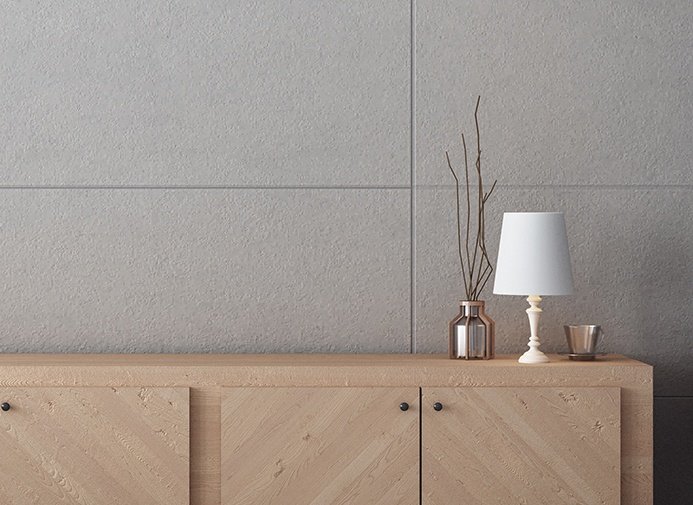
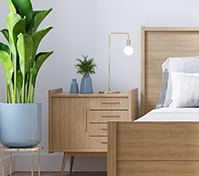
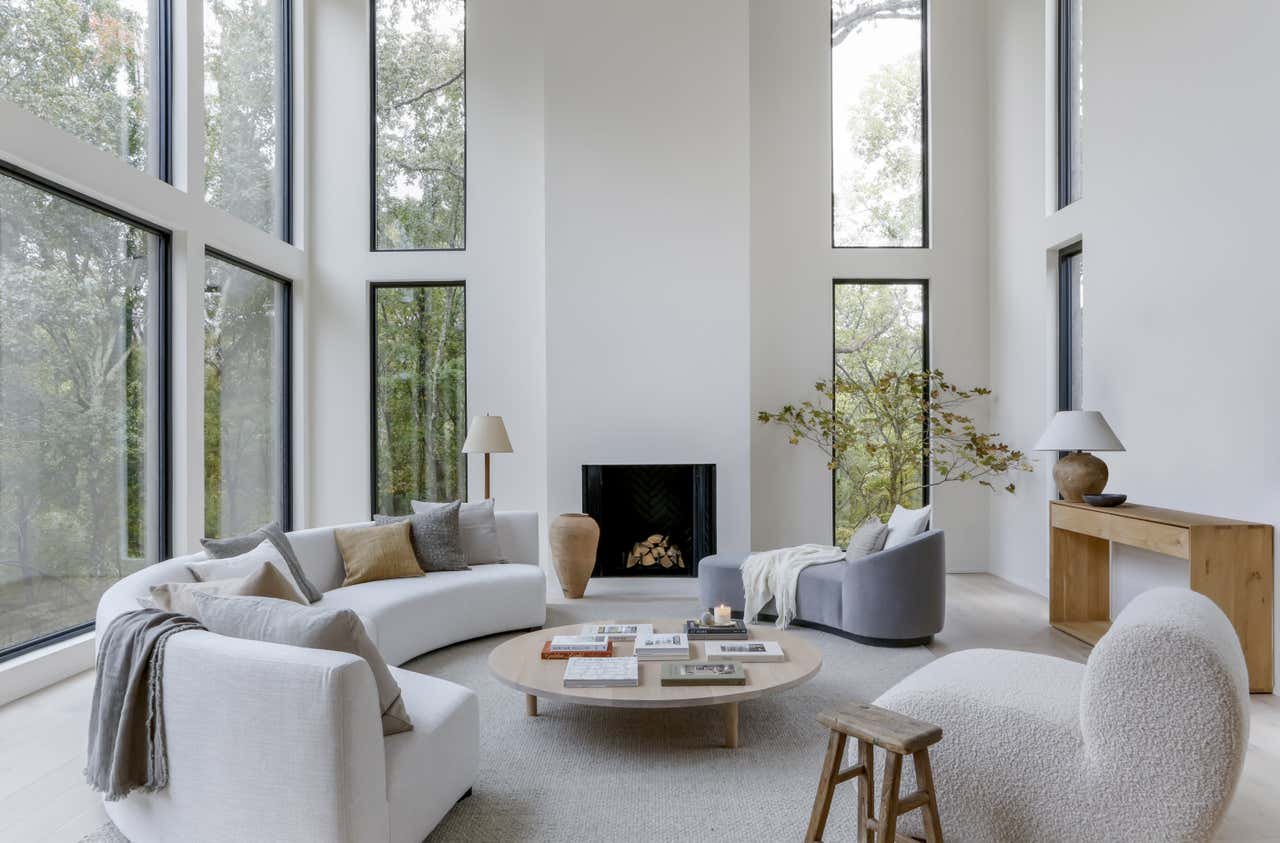
This season, earthy tones such as terracotta, olive green, and muted blues are gaining popularity, providing warmth and comfort to interiors. These shades are often paired with lighter neutrals, creating a balanced palette that enhances the spatial experience. For instance, the combination of soft whites and warm wood tones can establish an inviting atmosphere, perfect for both residential and commercial environments.
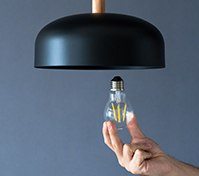
Moreover, innovative lighting solutions are emerging to complement these color schemes. The focus is shifting towards layered lighting, where ambient, task, and accent lights coexist in a thoughtfully curated manner. This trend not only caters to aesthetic preferences but also emphasizes the practical use of spaces. Pendant lights with organic shapes and warm LED bulbs are becoming commonplace, providing both style and function.
Noteworthy interior designers are leading this shift towards sustainability, selecting energy-efficient lighting options and eco-friendly materials for their projects. The integration of smart lighting systems, which allow control over brightness and color temperature, is on the rise, further enhancing the personalization of interiors. These advancements encourage homeowners to experiment with different moods and settings, showcasing the versatility of modern design.
As we look ahead, the prevalence of biophilic design—an approach that emphasizes the connection between nature and interior spaces—is expected to continue influencing color and lighting trends. Designers anticipate an increase in the use of botanical motifs and natural materials, combining them with well-planned lighting to create vibrant, uplifting environments.
Transform Your Home Today – Explore Interior Design Inspiration for Every Room!
Unlock Endless Design Possibilities – Explore Interior Design Inspiration Today.