




- Interior Design
- Art and Decor
- Art and Design
- Decorating Tips
- Design
- Design Concepts
- Design Principles
- Design Services
- Design Styles
- DIY Home Projects
- Eco-Friendly Practices
- Furniture and Decor
- Furniture Design
- Home and Garden
- Home Decor
- Home Design
- أثاث وديكور
- الأثاث
- تصميم
- تصميم داخلي
- ديكور المنازل
- ديكورات منزلية
Creative Ideas for Pattern Mixing in Modern Interior Décor
Understanding Pattern Mixing in Interiors – The Basic
Pattern mixing in interiors is an innovative approach in interior design that involves the intentional combination of different patterns to create a visually dynamic and engaging space. Using pattern mixing in interiors, designers can add depth, texture, and personality to any room, reflecting both style and creativity. By carefully integrating a variety of patterns—whether geometric, floral, or abstract—pattern mixing in interiors allows for cohesive yet exciting environments. Mastering pattern mixing in interiors ensures that your spaces are visually balanced, stylish, and uniquely expressive, making it a key technique in modern home décor.
At the core of successful pattern mixing in interiors are several fundamental principles. One of the most important is scale. Using patterns of varying sizes in pattern mixing in interiors can prevent a room from feeling cluttered or chaotic. For example, pairing a large-scale geometric design with smaller, delicately patterned textiles creates balance and ensures no single element overwhelms the space. Paying attention to scale is essential in pattern mixing in interiors, as it maintains visual harmony and allows the eye to navigate the room effortlessly, resulting in a cohesive and stylish interior.
Color coordination is another critical factor in pattern mixing. Selecting patterns that share a common color palette can unify disparate designs, allowing them to interact seamlessly. This strategy helps establish a coherent theme, allowing multiple designs to coexist without clashing. Varying textures alongside the color uniformity can also enhance the room’s overall aesthetic, adding another layer of interest.
Moreover, balancing busy patterns with more neutral designs is essential. Neutral patterns or solid colors can function as grounding elements, providing relief from overly stimulating visuals. These calmer components allow bolder patterns to shine without overwhelming the viewer, creating a sophisticated layering effect.
Despite its potential, many individuals may harbor apprehensions about pattern mixing, fearing that the result may appear chaotic. However, by understanding and applying these basic principles, one can fully embrace this creative design technique, leading to a unique and personal living space that reflects their individuality. Experimenting with pattern mixing opens the door to fresh styles and interpretations, encouraging more innovative approaches to interior décor.
Types of Patterns and Their Combinations
When it comes to modern interior décor, understanding the various types of patterns is fundamental for successful pattern mixing in interiors. The most frequently used patterns include florals, stripes, geometrics, and animal prints, each bringing unique characteristics and visual impact to a space. By thoughtfully combining these patterns, pattern mixing in interiors allows designers to create rooms that are both visually engaging and reflective of personal style. Mastering the use of different pattern types is essential for achieving harmony and balance in pattern mixing in interiors, ensuring that each space feels cohesive and stylish.
Floral patterns are quintessential for introducing softness and romance into an environment. They vary from delicate, small-scale florals to bold, oversized designs. When incorporating floral patterns, it is beneficial to consider the color scheme of the room, as harmonizing these with existing colors can amplify their charm while ensuring they do not overwhelm the space.
Stripes are another versatile option in pattern mixing in interiors, often praised for their ability to create the illusion of space. Horizontal stripes can make a room feel wider, while vertical patterns add a sense of height. When incorporating stripes into pattern mixing in interiors, it’s important to vary the widths of the patterns; for example, pairing a large striped design with a smaller floral pattern creates a visually appealing and balanced composition. Thoughtful use of stripes enhances the overall harmony and sophistication of pattern mixing in interiors, making your space both dynamic and cohesive.
Geometric patterns make a bold statement with their structured designs. These can range from simple shapes to intricate tessellations. The clean lines and forms of geometric patterns allow them to complement florals exceptionally well, enabling a sophisticated juxtaposition between the organic and the linear.
Animal prints, known for their dramatic flair, can serve as accent pieces or be woven into larger schemes. When combining animal prints with other patterns, it is advisable to maintain a neutral base to prevent the room from appearing overly busy. This tactics reinforces a cohesive aesthetic that harmonizes the energetic nature of animal prints with subtler design elements.
In summary, effective pattern mixing in interior décor hinges upon an understanding of each type’s characteristics and complementary potential. By thoughtfully integrating floral, stripe, geometric, and animal patterns, homeowners can transform their spaces into dynamic arenas of creativity.
Creative Ideas for Pattern Mixing in Different Spaces
Incorporating mixed patterns into various areas of a home is a key strategy in pattern mixing in interiors, adding both visual interest and a sense of personalization. When practicing pattern mixing in interiors, it’s essential to select complementary designs and maintain a cohesive color palette to ensure harmony within each space. Thoughtful pattern mixing in interiors allows homeowners to create dynamic, engaging rooms that reflect personal style while maintaining balance and sophistication throughout the home.
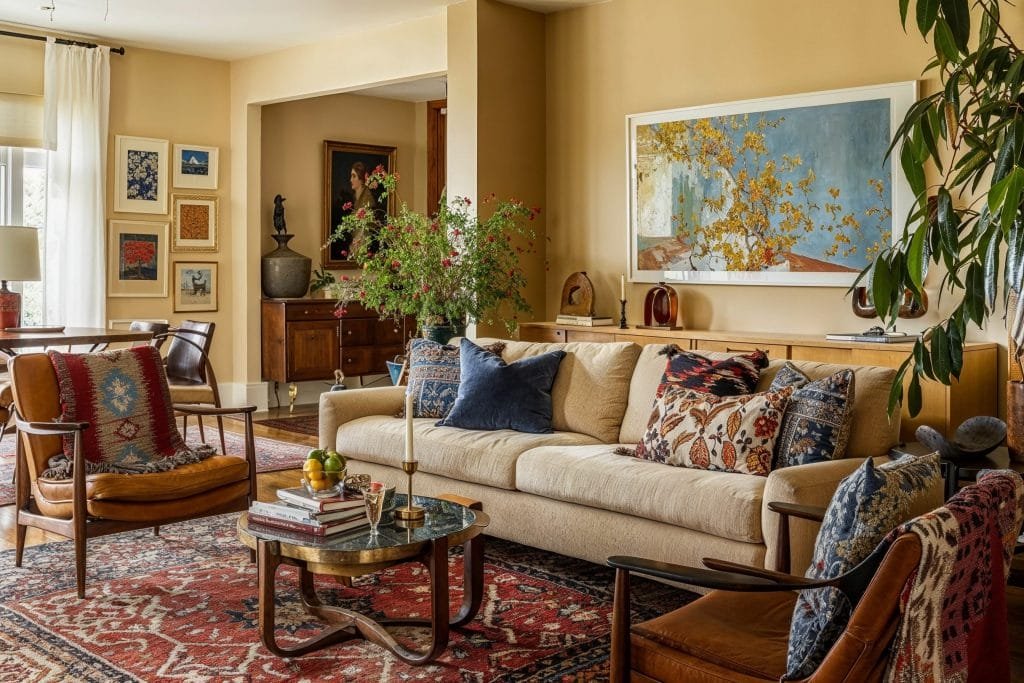
In the living room, one can achieve pattern mixing by pairing a bold geometric-patterned sofa with floral or striped throw pillows. This approach creates depth and character, making the room inviting and vibrant. Complement the arrangement with a patterned area rug that ties the different elements together, ensuring that the colors remain consistent throughout, fostering a sense of unity.
In bedrooms, consider layering patterns through bedding and curtains. A striped duvet can be paired with polka dot or paisley print pillows for a playful yet coordinated look. Accessorize with patterned cushions on chairs or use wallpaper with a subtle design behind the bed to serve as a stunning focal point.
In kitchens, pattern mixing can be introduced through dishware and textiles. For example, mixing patterned dish towels with a patterned table runner can add flair to the dining area. Subtle patterns on backsplash tiles can create visual intrigue, ideally coordinated with solid-colored cabinetry or furnishings.
In bathrooms, consider using patterned towels and rugs to enhance the overall aesthetic. Pairing mosaic tiles with floral or geometric shower curtains can elevate the design while ensuring functionality. A cohesive color scheme will integrate these patterns seamlessly, creating a stylish and contemporary atmosphere.
Visual aids, such as mood boards showcasing varying combinations of patterns, can serve as effective planning tools, inspiring creativity and thoughtful pattern selection. By applying these practical ideas across different spaces, homeowners can successfully explore the art of pattern mixing in modern interior décor.
Tips and Tricks for Successful Pattern Mixing
Mastering the art of pattern mixing can elevate your interior décor and create a vibrant atmosphere within your home. To navigate this bold design choice, begin by selecting a limited color palette. Choosing two to three colors as your base allows for a cohesive look, even when different patterns are at play. This strategy ensures that all elements harmonize, creating a seamless transition between various textures and designs.
One effective approach is to focus on one dominant pattern that acts as the focal point of a room. This can be a statement piece, such as a large-scale mural, an intricately patterned rug, or curtains with bold designs. Building the rest of your decor around this dominant pattern provides structure and prevents the overall look from becoming chaotic. Other patterns can then complement the dominant choice, ensuring that they enhance rather than overshadow it.
Texture plays a vital role in effective pattern mixing. Incorporate a mix of materials, such as textiles, ceramics, and wood, to add dimension to the space. For instance, a botanical print on a sofa can be paired with a geometric patterned throw, alongside an organic, woven rug. The tactile diversity not only enriches the décor but also stimulates the senses, resulting in a more inviting atmosphere.
While pattern mixing may feel daunting, it ultimately invites personal expression. Don’t hesitate to step outside your comfort zone. Experiment with different scales of patterns; combining small and large designs can create an interesting visual dynamic. Finally, trust your instincts—if a combination resonates with you, it’s likely to resonate with others as well. With these tips in hand, you can confidently embrace pattern mixing to transform your interiors into a unique reflection of your style.
Start mixing patterns like a pro!
Explore our expert tips to create stylish, balanced, and personalized interiors today.