




- Home & Living
- Art and Decor
- Art and Design
- Decorating Tips
- Design
- Design Concepts
- Design Principles
- Design Services
- Design Styles
- Design Technology
- DIY Home Projects
- Furniture and Decor
- Furniture Design
- Home Decor
- Home Design
- Life Style
- أثاث وديكور
- الأثاث
- تصميم
- تصميم داخلي
- ديكور المنازل
- ديكورات منزلية
Exploring the Tiny Home Movement: Why Smaller is Better
Tiny House Decorating Ideas: Introduction to the Tiny Home Movement
Tiny house decorating ideas are becoming increasingly popular as the tiny home movement continues to grow worldwide. This movement promotes a lifestyle centered on simplicity, sustainability, and financial freedom. Tiny homes—typically defined as residential structures under 400 square feet—are thoughtfully designed to provide all the essentials for comfortable living while minimizing environmental impact.
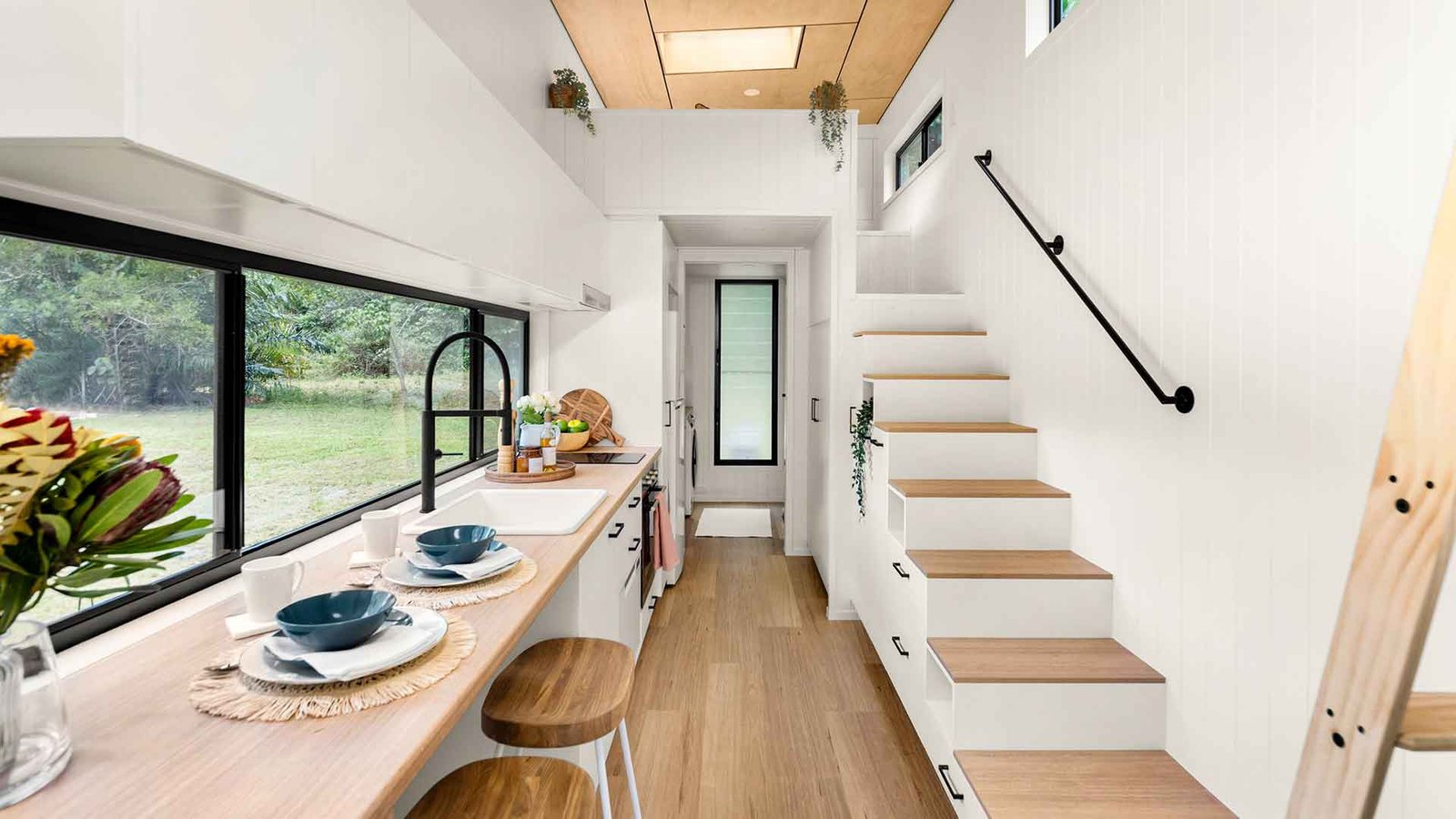
Unlike traditional homes, which can be large and resource-intensive, tiny houses prioritize efficiency, smart layouts, and multifunctional design. Decorating a tiny home is not just about aesthetics; it is about maximizing every inch of space while maintaining comfort and style. By using creative storage solutions, light color palettes, and space-saving furniture, homeowners can transform compact areas into beautiful, highly functional living spaces.
Tiny house decorating ideas are closely connected to the philosophy behind the tiny home movement, which is deeply rooted in minimalism and sustainability. Tiny house decorating ideas focus on creating functional, clutter-free spaces that reflect intentional living while maximizing every square foot.
The philosophy underlying the tiny home movement encourages individuals to reduce their living space and focus more on meaningful experiences rather than material possessions. This shift is not merely a reaction to consumer culture but also a proactive response to environmental challenges such as climate change and resource depletion. Through smart design choices and thoughtful layouts, tiny house decorating ideas support sustainable living by promoting efficiency, multipurpose furniture, and reduced waste.
Historically, smaller living spaces have existed in various cultures across the globe, but the modern tiny home movement began to take shape in the United States during the early 2000s. Key statistics highlight this surge in popularity; for instance, a report from the American Tiny House Association indicates that approximately 10,000 tiny homes were constructed in 2020 alone, representing a growing trend toward tiny living.
Various communities and advocates have emerged, united by this movement. Organizations like the Tiny House Alliance and community-centric models such as tiny home villages provide support and resources for aspiring tiny home dwellers. Furthermore, influential figures like Duane Elgin and Jay Shafer, a pioneer in the tiny house design, inspire many to embrace a life that embodies the principles of the tiny home philosophy.
Benefits of Living in a Tiny Home
Tiny house decorating ideas play an important role in supporting the growing tiny home movement, which has garnered significant attention in recent years. More individuals and families are choosing to downsize their living spaces in pursuit of a simpler and more fulfilling lifestyle. By applying smart tiny house decorating ideas, homeowners can transform compact spaces into functional and stylish environments that enhance daily living.
One of the primary benefits of living in a tiny home is the potential for substantial financial savings. With a smaller footprint, homeowners often experience lower mortgage payments and reduced utility costs. Thoughtful tiny house decorating ideas further support this financial flexibility by encouraging multifunctional furniture, efficient layouts, and cost-effective design solutions.
Moreover, the tiny home lifestyle can lead to considerable environmental benefits. Smaller living spaces require fewer resources to build and maintain, thereby reducing the overall carbon footprint. By downsizing, individuals can also adopt more sustainable practices, such as utilizing energy-efficient appliances and minimizing waste. This focus on eco-friendliness aligns with a growing societal emphasis on environmental stewardship and conservation.
Beyond financial and environmental advantages, living in a tiny home fosters psychological well-being. The process of decluttering and simplifying one’s life can lead to reduced stress and enhanced mental clarity. Many individuals report feeling a sense of liberation when they let go of excess belongings and embrace a minimalist lifestyle. This shift in mindset emphasizes experiences over material possessions, promoting happiness and contentment.
Real-life success stories abound within the tiny home movement, illustrating the transformative impact of downsizing. Families have shared their joy in purchasing their first home, albeit a smaller one, while individuals often find joy in the simplicity of tiny living. These narratives inspire others to consider this lifestyle change as a pathway to a more fulfilling and financially sustainable future.
Challenges and Considerations of Tiny Home Living
Tiny house decorating ideas are often discussed in terms of design and functionality, but transitioning to a tiny home also presents practical challenges that potential homeowners must carefully consider. While decorating and maximizing space is essential, understanding the legal and structural requirements is equally important.
One significant hurdle when adopting the tiny home lifestyle is navigating the complex landscape of zoning laws and legal regulations. Many local jurisdictions enforce strict rules regarding land use, minimum square footage, and building codes, which can complicate the process of establishing a tiny home. Even the best tiny house decorating ideas cannot compensate for non-compliance with local regulations.
Tiny house decorating ideas are not just about style—they also play a crucial role in planning and organizing a small living space. Transitioning to a smaller dwelling requires meticulous preparation, as residents must carefully evaluate their possessions and determine what is truly essential.
This process often involves decluttering, selling, or donating items that don’t fit the compact lifestyle. By integrating thoughtful tiny house decorating ideas, homeowners can create a functional floor plan that maximizes every inch of space. Smart layouts, multifunctional furniture, and strategic storage solutions ensure that daily operations run smoothly while maintaining comfort and style within the tiny home.
Tiny house decorating ideas can help ease the psychological challenges of living in a smaller environment. Adapting to compact living requires cultivating a mindset that embraces simplicity, minimalism, and intentional use of space. Fortunately, innovative tiny house decorating ideas make this transition easier and more enjoyable.
For example, multifunctional furniture—such as sofas that convert into beds or tables with built-in storage—can optimize limited space while maintaining style. Vertical storage solutions, including wall-mounted shelves, hooks, and hanging organizers, provide additional room for belongings without making the home feel cramped. By implementing these practical tiny house decorating ideas, residents can create a functional, organized, and aesthetically pleasing living environment, even in the smallest spaces.
Ultimately, while living in a tiny home offers many benefits, it also necessitates a shift in perspective and careful consideration of practical challenges. By proactively addressing these issues through thoughtful planning and strategic organization, individuals can ease the transition into tiny home living while enjoying its myriad advantages. This balanced approach enables residents to fully embrace the tiny home movement and all that it entails.
Designing Your Ideal Tiny Home
Creating a tiny home that aligns with your lifestyle requires careful planning and consideration. One of the first steps in this process is determining the layout of your space. Opt for an open floor plan to enhance the feeling of spaciousness, which is particularly beneficial in compact living environments. Consider zoning areas within the home, such as a sleeping nook, a versatile living area, and a functional kitchen. These distinct areas can often serve multiple purposes, effectively optimizing your space.
Multifunctional furniture is a cornerstone of tiny home design. Innovative solutions such as sofa beds, fold-out tables, or expandable shelving units can dramatically increase your home’s versatility. For example, incorporating a dining table that doubles as a workspace can save valuable square footage while catering to your daily needs. Moreover, built-in storage solutions, like benches with hidden compartments or shelving units that utilize vertical space, allow for efficient organization.
When designing your tiny home, it is imperative to prioritize the use of sustainable materials and efficient systems. This not only contributes to your home’s overall aesthetic but also aligns with the eco-friendly principles often associated with tiny living. Consult with experts in tiny home design who can offer insights into materials that are both lightweight and durable while emphasizing energy efficiency, water conservation, and waste management solutions.
Many tiny homes showcase creativity and ingenuity. For inspiration, consider exploring various models and designs available in the thriving tiny home community. From portable tiny houses to unique off-grid options, each design can provide fresh ideas and ignite your imagination. Ultimately, the goal is to create a space that reflects your individuality and meets your lifestyle needs. By thoughtfully integrating these elements, you can successfully design a tiny home that is functional, beautiful, and perfectly suited for you.
Transform your small space today!
Discover more tiny house decorating ideas and start creating a stylish, functional home you’ll love.