




Exploring Interior Design Styles: Modern, Classic, and Minimalist
Interior Design Styles: Understanding Modern Interior Design
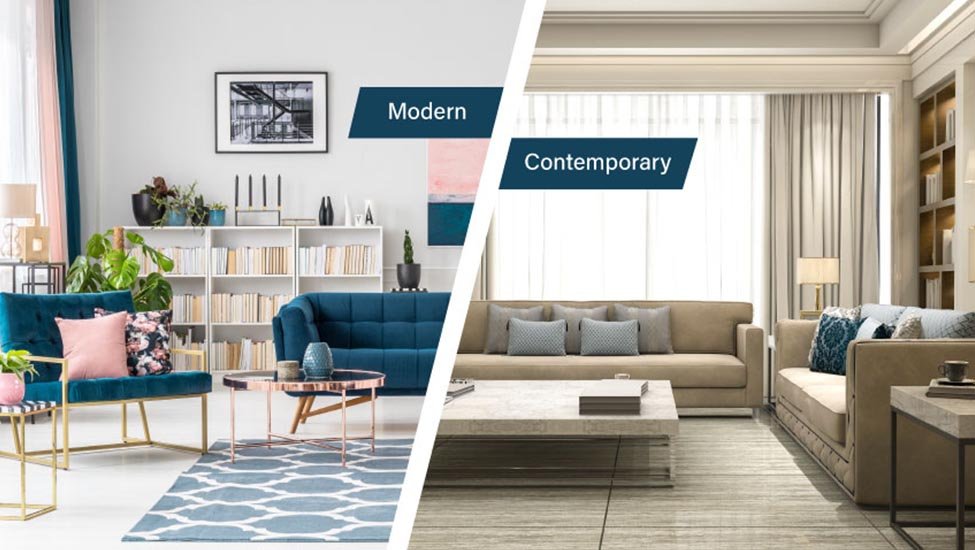
Interior design styles encompass a wide range of approaches, each reflecting different aesthetics, functions, and historical influences. One of the most popular is modern interior design, which emphasizes simplicity, clean lines, and functionality.
Rooted in the early to mid-20th century, modernism emerged as a reaction against traditional design principles, which often favored ornate details and historical references. The modern design ethos centers on the idea that form follows function, resulting in spaces that prioritize usability while maintaining aesthetic appeal.
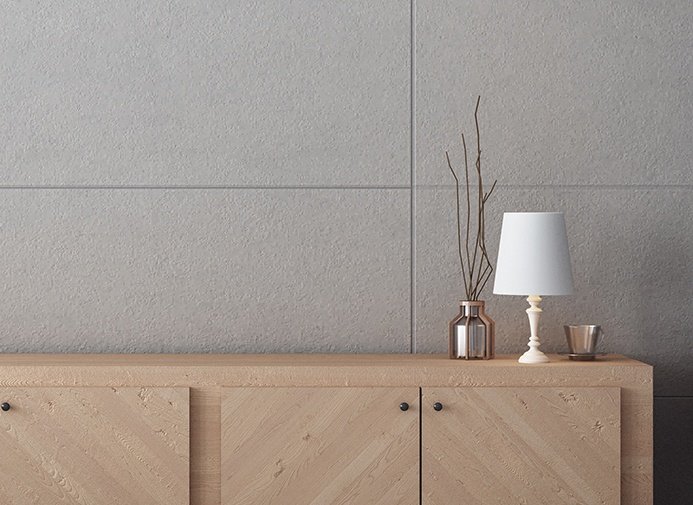
One of the hallmarks of modern interior design is the use of a neutral color palette. Shades of white, grey, and black dominate modern spaces, serving as a backdrop that enhances natural light and creates a sense of openness. This restrained color scheme not only complements the clean lines typical of modern architecture but also allows for the incorporation of vibrant accent colors through decor and furnishings.
Interior design styles continue to evolve, with modern interior design increasingly incorporating technology and sustainability. In today’s homes, many modern design solutions integrate smart systems for lighting, heating, and security, reflecting the lifestyle of contemporary inhabitants who prioritize convenience and efficiency.
By combining functionality with aesthetics, modern interior design demonstrates how interior design styles can adapt to the demands of modern living. Sustainable materials, energy-efficient solutions, and innovative layouts all contribute to creating spaces that are not only visually appealing but also environmentally responsible.
Iconic furniture pieces often associated with modern design include the Eames lounge chair, the Barcelona chair, and the tulip table, each of which exemplifies the blend of form and function that defines this style. These elements showcase the ability to create a cohesive aesthetic that is both practical and visually striking.
In essence, modern interior design represents a departure from traditional decor, aiming to create spaces that are not only stylish but also functional and in tune with the needs of today’s occupants. By understanding the key characteristics of this style, one can appreciate how modernism has shaped contemporary living environments.
The Essence of Classic Interior Design
Interior design styles are diverse, and one of the most enduring is classic interior design, which embodies timeless elegance. This style is distinguished by rich color palettes, intricate patterns, and luxurious materials that create a sophisticated and welcoming atmosphere.
Far from being a passing trend, classic design appeals to homeowners who appreciate traditional aesthetics, making it a popular choice across a variety of spaces. By incorporating elements such as ornate moldings, elegant furnishings, and harmonious symmetry, classic interior design demonstrates how interior design styles can balance tradition with comfort, creating interiors that remain stylish for generations.
Interior design styles often rely on color to define their character, and this is especially true for classic interior design. Deep, warm hues such as burgundy, navy, and rich earth tones provide a sophisticated backdrop that enhances the overall ambiance.
These colors are frequently paired with classical architectural details, including crown moldings and wainscoting, which add depth and visual interest. Additionally, elaborate patterns—seen in textiles, wallpapers, and decorative accents—feature motifs that reference historical design movements, reinforcing how interior design styles can celebrate heritage while creating timeless, elegant interiors.
Interior design styles often incorporate traditional furniture as a key element, and classic interior design is no exception. Heirloom-quality pieces, typically crafted from solid woods with ornate carvings, serve as focal points in a room while adding a sense of timeless elegance.
These furnishings are complemented by art pieces reflecting classical artistry, from paintings and sculptures to decorative accessories. Additionally, the strategic placement of mirrors and the thoughtful selection of lighting fixtures enhance the ambiance, demonstrating how interior design styles can combine functionality with sophistication to create luxurious and harmonious interiors.
Classic interior design thrives on attention to detail, ensuring that each component harmoniously contributes to the aesthetic. From the selection of fabrics—such as silk, velvet, and brocade—to the choice of decorative elements like chandeliers and antique frames, these designs evoke a sense of luxury that remains appealing to many homeowners. This adherence to quality and tradition not only enhances the beauty of the interior but also provides a comforting familiarity that is often sought after in contemporary living spaces.
The Allure of Minimalist Interior Design
Interior design styles include a wide spectrum of approaches, and minimalist interior design has gained popularity for its “less is more” philosophy. This style emphasizes simplicity, intentionality, and thoughtful curation, creating spaces that foster tranquility and calm.
Functionality is central to minimalist design, prioritizing utility without sacrificing aesthetics. By reducing clutter and focusing on essential elements, minimalist spaces demonstrate how interior design styles can combine efficiency with beauty, cultivating an atmosphere of order, clarity, and serenity.
A significant aspect of minimalist design is the purposeful use of negative space. Negative space refers to the areas around and between objects in a room, allowing the eye to rest and providing a break from visual noise. This strategy enhances the spaciousness of a room, making it feel more open and inviting. By embracing negative space, minimalist interiors facilitate a seamless flow that contributes to a more soothing environment.
Interior design styles such as minimalist interior design often rely on a carefully chosen color palette to create harmony and serenity. Neutral tones like whites, grays, and earthy hues dominate minimalist spaces, promoting a calm and uncluttered atmosphere.
A limited color palette allows accent pieces to stand out as focal points without overwhelming the overall design. By using color sparingly, this approach demonstrates how interior design styles can achieve elegance, cohesion, and a sense of balance in even the simplest spaces.
Decluttering is another fundamental technique in minimalist interior design. This practice involves routinely assessing belongings, keeping only those items that serve a purpose or hold significant value. The act of decluttering helps maintain an organized and peaceful space, reducing stress and enhancing the overall quality of life. Embracing minimalism can lead to improved mental clarity, encouraging individuals to focus on what truly matters in their home and lifestyle.
Comparing and Contrasting the Three Styles
Interior design encompasses a range of styles, with modern, classic, and minimalist being three prominent choices, each distinguished by unique characteristics. Modern interior design is characterized by clean lines, a neutral color palette, and a sense of openness. It embraces innovation and often incorporates materials like glass, steel, and concrete, focusing on functionality paired with aesthetic value. This style is ideally suited for urban settings and open spaces where a contemporary feel is desirable.
In contrast, classic interior design draws inspiration from historical periods, exhibiting ornate detailing, rich textures, and a warm color palette. It focuses on elegance and sophistication, utilizing traditional materials such as hardwood and decorative fabrics. Classic design is often chosen for homes that aim to convey a sense of heritage or prestige, making it ideal for more formal settings.
Minimalist design, on the other hand, promotes simplicity and clutter-free spaces. It emphasizes the principle of “less is more,” featuring a limited color palette, functional furniture, and the elimination of excess decoration. Minimalism shines in smaller spaces where maximizing functionality and visual clarity is crucial, ensuring that each element serves a purpose.
While these styles have distinct qualities, they can also be successfully blended. For instance, incorporating classic elements into a modern design can add warmth and character, while maintaining a contemporary flair. Similarly, minimalist principles can be applied to modern settings to create an airy, spacious feel. To choose the right style for your space, consider the specific functionality, aesthetic preferences, and the mood you wish to create. Understanding these elements will help guide your design choices, ensuring a harmonious and visually appealing environment.