




Common Interior Design Mistakes to Avoid in Your Home Makeover: Expert Tips for a Stylish Home
Ignoring Space Planning and Flow – Interior Design Mistakes to Avoid
Interior Design Mistakes often start with ignoring effective space planning. Overlooking this crucial step can lead to chaotic layouts that hinder movement and accessibility. Understanding how to create a natural flow throughout your home significantly enhances both functionality and aesthetics during a makeover. Proper space planning ensures that every room feels open, organized, and welcoming, preventing one of the most common interior design mistakes homeowners make.
Interior Design Mistakes often start with poor space planning. One of the first steps in effective planning is assessing the purpose of each room. Consider how each area will be used and how spaces interact with each other. For example, in an open-concept living area, furniture should be arranged to encourage conversation and keep pathways clear. Avoid placing large furniture pieces in ways that block movement; instead, opt for strategic arrangements that foster connections and accessibility. By addressing this, you can prevent one of the most common interior design mistakes and ensure a functional, inviting home layout.
One of the most overlooked interior design mistakes is failing to establish clear focal points in a room. A well-placed piece of art, a striking fireplace, or a functional entertainment center can serve as the center of attention, around which other furnishings are arranged. By positioning seating and tables to face these focal elements, you enhance the room’s aesthetic appeal while maintaining functionality. Properly incorporating focal points ensures your design is visually engaging and prevents one of the most common interior design mistakes homeowners make.
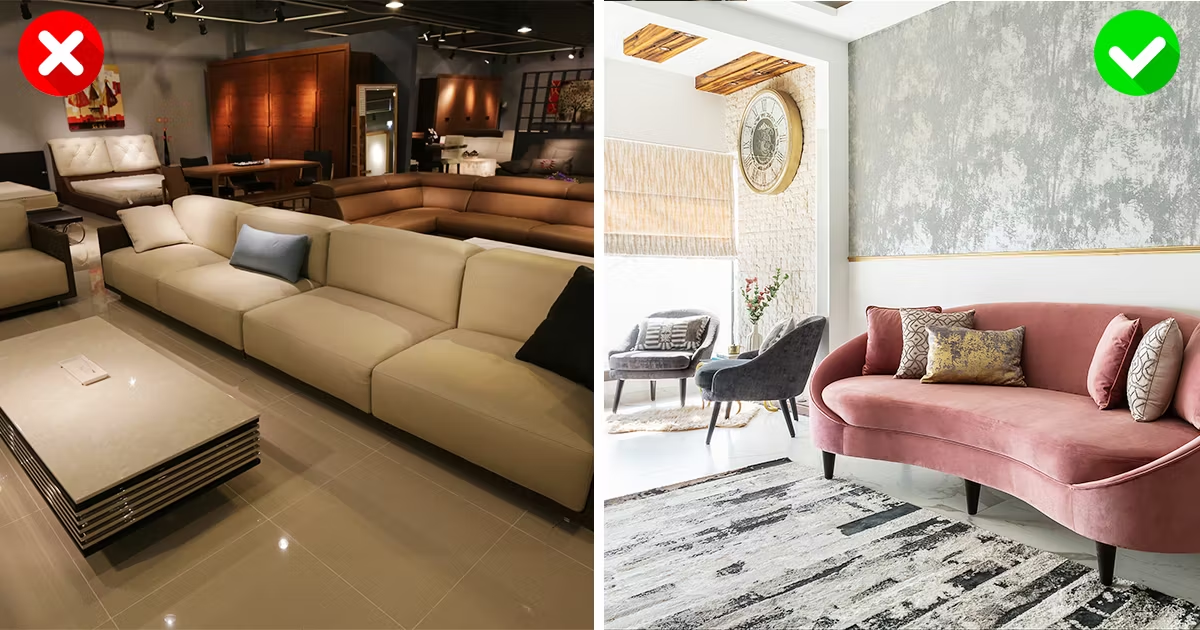
Another key aspect involves balancing the sizes of furniture. Mixing large and small items can create visual interest, but be cautious of overwhelming a space with oversized furniture. Uniformity in color and style is equally important when selecting pieces, as a harmonious palette helps in creating a cohesive look that contributes to overall balance.
A frequent interior design mistake is neglecting the balance of furniture sizes in a room. Mixing large and small pieces can create visual interest, but oversized furniture can easily overwhelm the space. Equally important is maintaining uniformity in color and style when selecting furnishings. A harmonious palette and thoughtfully proportioned pieces contribute to a cohesive look, ensuring the room feels balanced, functional, and visually appealing. By addressing this, you can avoid one of the most common interior design mistakes and create a space that is both stylish and comfortable.
Overlooking Color Schemes and Cohesion
One of the most common interior design mistakes is overlooking the effective use of color schemes, which largely determines the ambiance and overall feel of a space. When planning a home makeover, it is essential to select a cohesive color palette that flows throughout your home. This ensures that each room, while distinct, contributes to a unified aesthetic. Failing to maintain color cohesion can result in a disjointed environment that feels chaotic and uninviting. By addressing this key element, you can prevent one of the top interior design mistakes and create a harmonious, visually appealing home.
When mixing and matching colors, consider the impact of different hues on mood and perception. For instance, warm colors like reds and oranges evoke energy and enthusiasm, while cool colors such as blues and greens promote calmness and tranquility. It is advisable to choose a primary color that will dominate a space, complemented by secondary and accent colors that harmonize well. This balance avoids overly clashing designs, thereby allowing each room to maintain its individuality without detracting from the home’s overall cohesiveness.
Moreover, utilizing a color wheel can be a useful strategy in your design process. It helps in identifying complementary or analogous color pairs, which can enhance visual appeal. Additionally, pay attention to the influence of lighting on color perception, as natural and artificial light can alter how colors are viewed within a room. Testing paint samples in different lighting conditions can yield valuable insights into how a particular color will function in your space.
In conclusion, being mindful of your color schemes and ensuring consistency throughout your home can elevate your interior design efforts significantly. A well-thought-out color palette not only enhances the aesthetic appeal but also creates a harmonious environment that reflects your personal style.
Importance of Comprehensive Lighting Solutions
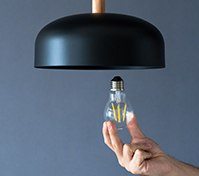
One of the most common interior design mistakes people make during their home makeover is skimping on lighting solutions. Overhead lights can often serve a purpose; however, depending solely on them limits the potential for creating a well-rounded and inviting atmosphere. A successful lighting plan should incorporate various layers, including ambient, task, and accent lighting, which work together to enhance the overall aesthetic of a space.
To begin, it’s essential to prioritize natural light by maximizing window placements and using light, airy window treatments. Not only does this reduce reliance on artificial lighting, but it also creates a sense of openness and connection with the outdoors. Additionally, using mirrors strategically can help reflect sunlight and further brighten up the room.
Incorporating ambient lighting, such as wall sconces and floor lamps, adds a warm glow, making spaces feel welcoming. Task lighting, such as reading lamps and under-cabinet lighting in kitchens, plays a crucial role in functional areas, ensuring that activities are carried out safely and without strain. However, one should not overlook the significance of accent lighting, which draws attention to design features like artwork or architectural elements, thereby adding depth and interest.
The choice of light fixtures also makes a substantial impact on your interior design. Selecting fixtures that complement the overall style of your home while providing the necessary functionality is pivotal. From modern pendant lights to vintage chandeliers, there are countless options available that can seamlessly integrate into your design scheme. Ultimately, adequate lighting solutions not only enhance the visual appeal of your space but also contribute to a comfortable and inviting living environment.
Neglecting Important Design Details
When embarking on a home makeover, many homeowners focus heavily on major elements such as furniture and wall colors, often overlooking the important design details that contribute significantly to a room’s overall aesthetic. Accessories like artwork, rugs, and decorative objects are essential components that complete the design narrative. They can provide texture, color, and personality, transforming a drab space into one that feels vibrant and inviting.
Artwork serves as a focal point in a room, drawing the eye and eliciting emotional responses. Choosing the right pieces can enhance the theme of your interior design and create cohesion throughout the house. It is important to consider the scale and proportion of the artworks in relation to the surrounding furniture and space. A large canvas can become a striking feature in a minimalist décor, while a gallery wall composed of smaller pieces can add depth and interest to otherwise bland areas.
Rugs also play a vital role in interior design; they define spaces and can enhance the visual comfort of a room. The choice of a rug should be dictated by the size of the space it occupies. A common mistake is selecting a rug that is too small, which can make the area appear disjointed. Instead, a larger rug can unify the space and establish a foundation upon which other design elements can rest.
Lastly, texture is an often-neglected design detail that adds richness and intrigue to interior spaces. Incorporating various materials, such as wood, metal, fabric, and glass, can create a multi-dimensional experience. Balancing different textures ensures that a room does not feel flat or monotonous, effectively enhancing the overall design quality. Attention to these details—not just the big-picture elements—can mark the difference between a well-executed home makeover and a lackluster one.
Avoid costly interior design mistakes – Start your home makeover the right way today!
Want a flawless home makeover? Download our free guide on interior design mistakes and expert tips!