




- Interior Design
- Blog
- Decorating Tips
- Design
- Design Concepts
- Design Principles
- Design Services
- Design Styles
- Design Technology
- Dining Chair
- Dining Room
- DIY Home Projects
- Furniture and Decor
- Furniture Design
- Home & Garden
- Home and Garden
- Home Decor
- Home Design
- Home Improvement
- Life Style
- أثاث وديكور
- الأثاث
- تصميم
- تصميم داخلي
- ديكور المنازل
- ديكورات منزلية
Interior Design Trends 2026: Must-Try Décor Ideas
The Rise of Sustainable Design
Interior Design Trends 2026 are shaping how we style our homes, with sustainability and innovative décor ideas leading the way. Eco-friendly materials like bamboo, cork, and reclaimed wood are gaining prominence, offering both style and environmental benefits.
Another key aspect of sustainable design is the incorporation of biophilic design principles. This approach emphasizes creating a strong connection between indoor spaces and the natural environment. By integrating elements like large windows, living walls, and indoor plants, designers can improve both the aesthetic and air quality of a living space. Such designs encourage homeowners to reconnect with nature, enhancing their well-being and productivity within the home.
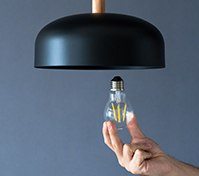
Moreover, implementing energy-efficient lighting solutions is becoming a standard practice in sustainable design. Using LED and smart lighting technologies reduces energy consumption while providing flexibility and control over a home’s lighting conditions. This not only contributes to lower energy bills but also minimizes the overall environmental impact associated with electricity use.
Examples of sustainable décor ideas that reflect this trend include upcycled furniture, which not only saves materials from landfills but also adds unique character to spaces. Furniture pieces crafted from repurposed items can serve as conversation starters while embodying an eco-conscious philosophy. Additionally, using natural fibers for upholstery and textiles provides a healthier indoor environment devoid of synthetic chemicals.
In conclusion, the rise of sustainable design is shaping the future of interior aesthetics. By selecting eco-friendly materials, embracing biophilic design, and focusing on energy efficiency, individuals can create healthier living spaces that align with modern ethical considerations.
Bold Colors and Patterns
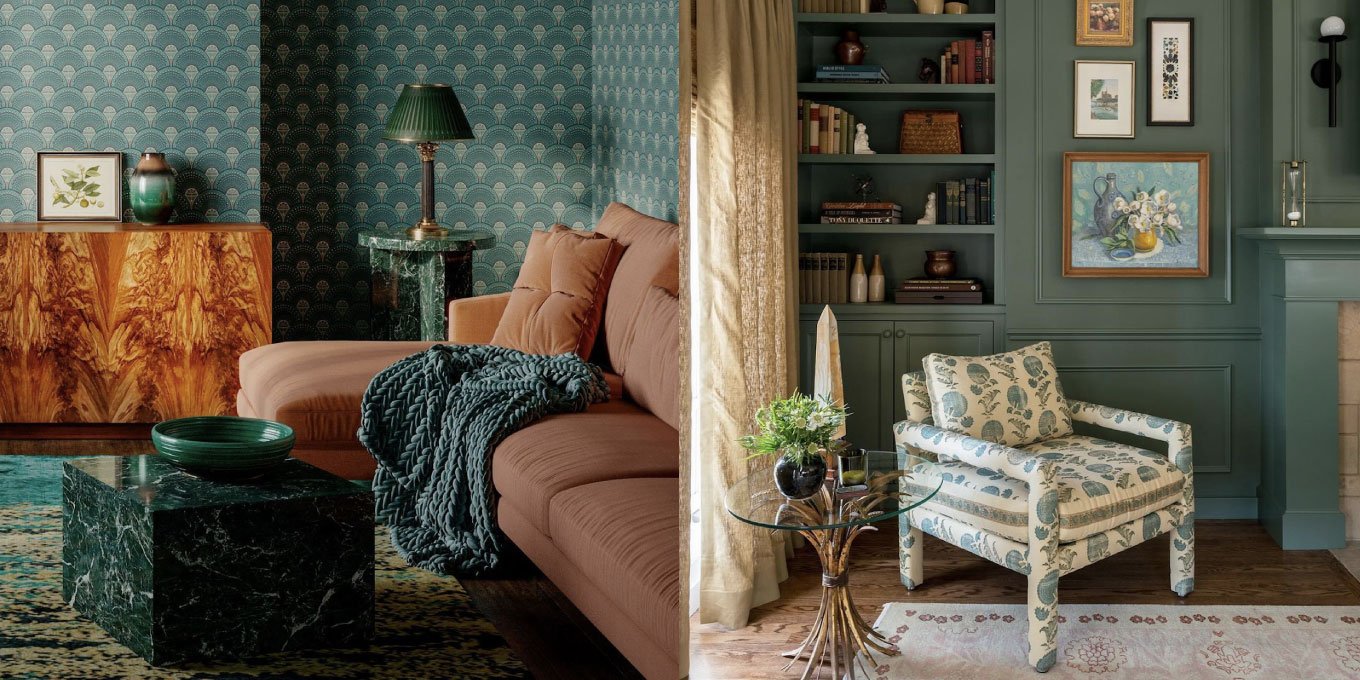
The interior design landscape for 2026 is set to embrace bold colors and vibrant patterns, reflecting a significant shift in aesthetic preferences. This trend aligns with a broader awakening to the power of color psychology, where hues are used to evoke emotions and create distinct atmospheres within living spaces. As homeowners increasingly seek stimulation and individuality, the resurgence of maximalism stands in stark contrast to earlier minimalistic trends. Maximalism encourages layering textures, contrasting shades, and intricate patterns, resulting in dynamic environments that capture attention.
Incorporating bold colors into interior spaces can be effectively achieved through strategic color pairing. For instance, deep jewel tones such as emerald green can be paired with warm metallics like gold to create a luxe statement. Bright yellows, on the other hand, can be harmonized with subdued gray tones for an energetic yet balanced appearance. When it comes to patterns, mixing various prints—from geometric designs to botanical motifs—can infuse spaces with life and character, providing a rich backdrop that reflects personal style.
One popular method to introduce this trend is through feature walls. Selecting one wall to paint in a bold hue or cover with a striking wallpaper can serve as a focal point, allowing the rest of the room to maintain a more understated palette. Statement pieces, such as a vibrant upholstered sofa or an intricately patterned area rug, offer additional avenues for infusing bold colors and patterns into home décor. Homeowners should not shy away from experimentation; rather, they should view their space as a canvas, ready to be infused with personality through intentional use of color and design.
As we transition into 2026, the role of technology in shaping residential spaces has become increasingly prominent. The concept of smart homes is no longer confined to mere convenience; it has evolved into a critical element of modern interior design. Homeowners are now seeking to integrate technology in ways that enhance functionality while maintaining aesthetic appeal. Automated systems are paving the way for environments that offer unprecedented control over various aspects of daily living.
The innovations behind home automation systems allow for a seamless integration of devices that work in concert to enhance the living experience. From lighting and heating to security systems, smart technology enables homeowners to manage their environments remotely, creating a customizable sense of comfort. For instance, modern automated lighting solutions can adapt based on natural light levels, providing energy savings while enhancing the warmth of interiors.
Moreover, smart appliances have taken center stage in contemporary kitchens. Devices such as refrigerators with integrated cameras that allow you to see what’s inside from your smartphone are just one example of how technology is reshaping the functionality of spaces. Similarly, ovens that can be programmed remotely add another layer of convenience for busy households. As these appliances become more prevalent, designers are faced with the challenge of creating visually appealing spaces that harmoniously blend these advanced features.
When designing tech-friendly interiors, it is essential to consider the balance between form and function. Hidden wiring solutions and minimalistic designs help to maintain a clean aesthetic while ensuring that the latest technology remains accessible. With integrated sound systems and smart home hubs seamlessly woven into the fabric of our living spaces, the focus shifts from merely incorporating technology to doing so in a way that enhances overall ambiance and comfort.
Multisensory Experiences in Design
In recent years, interior design has undergone a transformation, evolving beyond mere aesthetics to create immersive environments that engage multiple senses. As we look ahead to the trends of 2026, the integration of multisensory experiences in design is poised to take center stage. This concept recognizes that our environments can influence mood, behavior, and overall well-being, underscoring the importance of creating spaces that not only visually please but also enhance the human experience.
One of the key trends within this multisensory approach is the incorporation of scent into spaces. Designers are increasingly utilizing scent integration to evoke emotions and memories, cultivating an environment that resonates on a deeper level. Essential oils, customized fragrances, and even natural scents can enhance the ambiance of a room, contributing to relaxation and comfort. Such sensory stimulation is particularly relevant in commercial spaces, where scent may influence customer behavior and enhance the overall experience.
Another significant aspect of multisensory design is the use of soundscapes. By carefully curating sounds that echo the natural environment, such as soft whispers of wind or flowing water, designers can create a serene atmosphere. Background music can be strategically chosen to elevate energy or promote calmness, helping occupants feel more connected to their surroundings.
Additionally, the tactile experience of materials is becoming increasingly relevant. The choice of textures—whether it’s the smooth finish of polished stone, the soft touch of natural fabrics, or the raw feel of reclaimed wood—can significantly influence how a space feels. It is essential to select materials that foster comfort and relaxation, appealing to the human desire for tactile engagement.
In conclusion, the evolution of interior design in 2026 centers around the creation of multisensory experiences that engage sight, sound, scent, and touch. This holistic approach not only enhances visual appeal but also prioritizes psychological well-being and the overall experience of individuals within a space. As designers continue to explore these innovative concepts, the goal will be to forge environments that nurture both the mind and body, ultimately enriching our lives.
Bring style and sustainability to your home with Interior Design Trends 2026—start decorating today!
Transform every room with the latest Interior Design Trends 2026—get inspired now!