




- Home Improvement
- Blog
- Decorating Tips
- Design
- Design Concepts
- Design Principles
- Design Services
- Design Styles
- Design Technology
- DIY Home Projects
- Eco-Friendly Practices
- Furniture and Decor
- Furniture Design
- Home & Garden
- Home and Garden
- Home Decor
- Home Design
- Home Office
- Interior Design
- Life Style
- أثاث وديكور
- الأثاث
- تصميم
- تصميم داخلي
- ديكور المنازل
- ديكورات منزلية
Interior Design Secrets: How to Style Your Home Like a Pro
Understanding Your Space: The First Step to Professional Styling
Interior Design Secrets can help anyone transform their home into a stylish and harmonious space. Before starting any project, it’s essential to assess your room’s size, shape, and natural light to maximize the effect of your design choices.
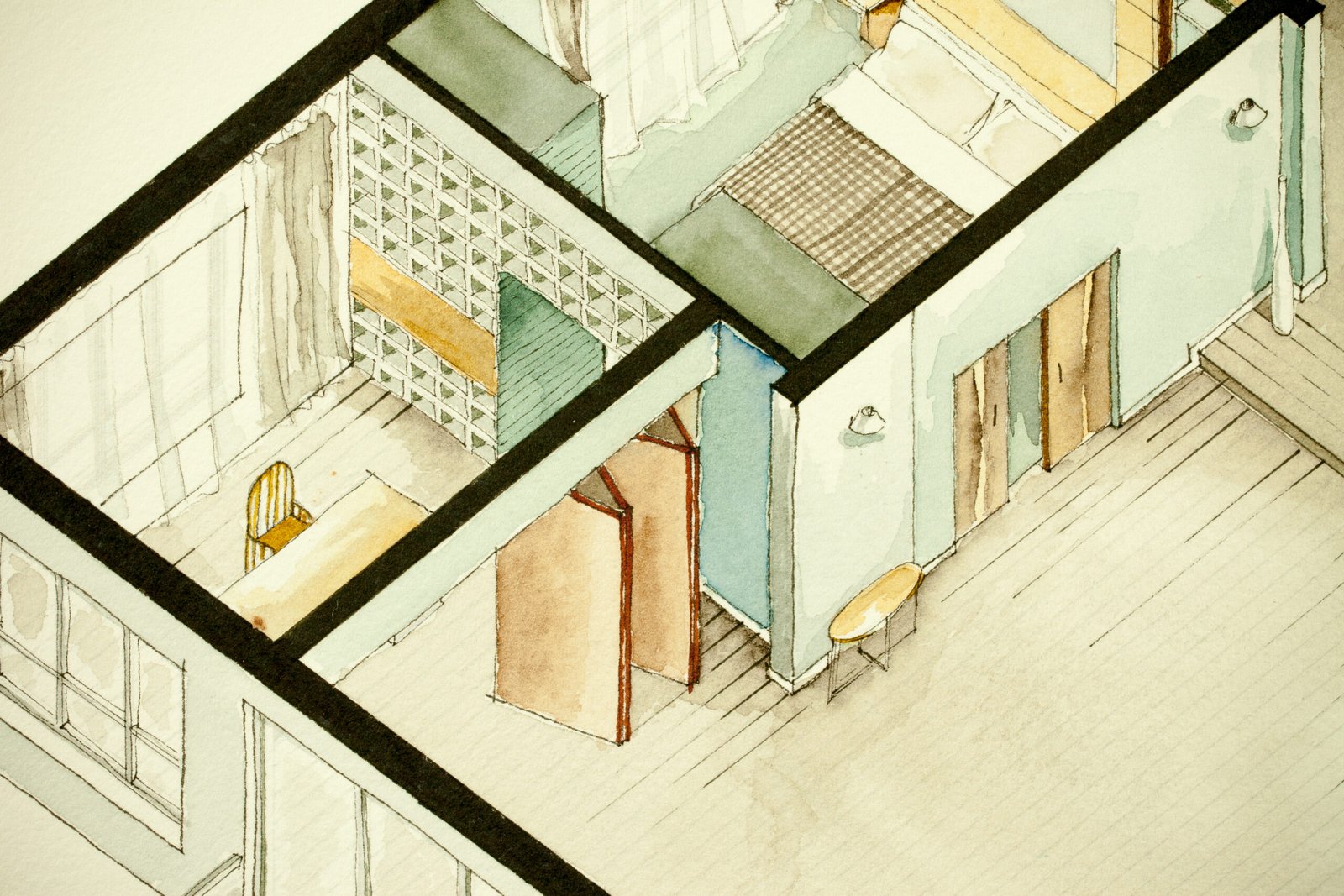
Start by measuring your space; knowing the dimensions allows for better planning and ensures that furniture choices are both practical and visually pleasing. Consider the shape of the room—whether it’s square, rectangular, or a unique layout—as this will influence the arrangement of furniture, the flow of movement, and even the selection of decor items. For instance, a narrow room may benefit from streamlined furnishings that do not overwhelm the space, while a larger room could accommodate more substantial pieces that anchor the area.
Moreover, the evaluation of existing furniture and decor cannot be overlooked. This involves reviewing what you already have and determining what can be repurposed or rearranged to serve a new function. It is essential to discern what items work well aesthetically and which ones hinder the room’s potential. In addition, understanding the layout and flow of your room is vital for effective styling. Consider how you and your guests interact within the space, as well as how the furniture arrangement can promote conversation and comfort.
By carefully observing these aspects, you lay a strong foundation for your interior design project. An informed approach leads to intuitive style choices that resonate with both functionality and aesthetic appeal, ensuring your home is styled like a pro.
Color Theory: Choosing the Right Palette for Your Home
Color plays a pivotal role in interior design, influencing not only the aesthetics of a space but also the emotional response it evokes. Understanding color theory is essential for selecting a cohesive palette that aligns with your personal style and the intended mood of each room. The psychology of colors suggests that various hues can elicit different feelings; for instance, blues and greens are often associated with tranquility, while yellows and oranges can stimulate energy and creativity.
When embarking on the journey of choosing a color palette, start by identifying the primary mood you wish to cultivate in each space. Whether it’s a calm, serene atmosphere for the bedroom or a vibrant, welcoming environment for the living room, the right colors can significantly shape your experience within each area. Begin by selecting a base color that resonates with you, often a neutral tone can serve as an excellent foundation, allowing for versatility and ease in integrating different elements.
Once the base color is established, consider incorporating accent colors that complement and enhance the primary hue. This combination can add depth and interest to the design. For example, pairing a soft gray with a rich burgundy can create an inviting elegance, while a warm beige might blend beautifully with pastel accents to generate a cozy ambiance. Balance is key; it is advisable to limit bold accent colors to no more than 20% of the room’s overall palette to maintain harmony.
In summary, color theory is an indispensable tool in interior design that helps to create spaces that not only look good but feel good as well. By thoughtfully selecting a color palette that marries personal preference with atmospheric intent, you can transform any room into a stylish and cohesive sanctuary.
Furniture and Layout: Making the Most of Your Space
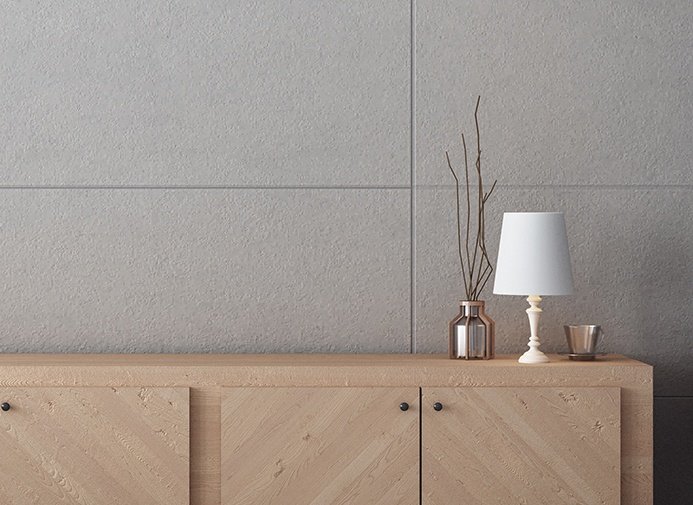
Designing an interior space effectively revolves around the skillful arrangement of furniture, a task that can significantly impact the functionality and aesthetic appeal of a home. One fundamental principle in furniture layout is understanding scale and proportion. Each piece of furniture should harmoniously fit within the dimensions of the room to avoid overwhelming the space or making it feel sparse. For instance, opting for larger sofas in spacious living areas can create a cozy atmosphere, while slimmer, more delicate furnishings often work better in smaller rooms.
Choosing the right pieces goes beyond mere dimensions; it also involves selecting furniture that aligns with the intended function of each space. For example, in a home office, a desk with ample storage is essential, and it should be placed in a way that allows for easy access to books or files. Meanwhile, in social areas like living rooms, focus should be put on arranging seating to encourage conversation while maintaining a comfortable flow of movement.
Different layout styles cater to diverse room sizes and purposes. Open-concept designs are popular in modern homes, allowing for fluid transitions between spaces while fostering a sense of togetherness. Here, selecting multifunctional furniture such as ottomans or nesting tables can optimize the use of space. In contrast, traditional layouts often emphasize distinct zones within a room, where larger furniture settings delineate areas for specific functions, like dining and lounging. Each approach requires careful consideration of the room’s unique characteristics and the needs of its inhabitants.
Ultimately, achieving a balanced layout involves not just strategic placement but also maintaining a cohesive design aesthetic throughout the home. Whether opting for a contemporary open-concept style or a more structured traditional setup, prioritizing comfort and functionality will create an inviting atmosphere that reflects personal taste.
Accessorizing Like a Pro: The Finishing Touches
Accessorizing your home is akin to putting the finishing touches on a masterpiece; it brings out the personality and vibrancy of your living space. To successfully accessorize like a professional, one must skillfully blend various elements such as texture, artwork, and decorative items to achieve a cohesive look.
Layering textures is an essential component when adding accessories. Consider using an assortment of materials such as velvet cushions, woven throws, and sleek glass or metal accents. This variety not only adds visual interest but also creates a tactile experience, inviting individuals to interact with the space. For instance, placing a soft textured throw on a leather sofa can introduce warmth and comfort.
Incorporating artwork is another significant aspect of accessorizing. Whether it is a bold painting or an intricately designed sculpture, art pieces can serve as focal points that reflect your personal taste. When selecting artwork, consider the color palette of your room and choose pieces that harmonize with or contrast effectively against it for added depth. Gallery walls, featuring a collection of framed prints or photographs, can epitomize your individuality while enhancing the artistic vibe of the space.
Balancing decorative items is crucial; strive for a mixture of shapes, sizes, and materials to avoid a cluttered appearance. Grouping accessories in odd numbers often yields more aesthetic appeal. A collection of three vases or five candles on a shelf fosters an organized yet dynamic presentation.
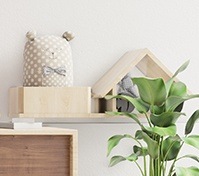
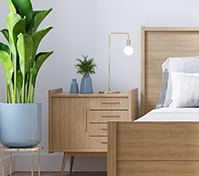
The role of plants in interior design cannot be understated. Greenery introduces an organic element to your decor, invigorating any space with life and color. Choose plants that suit your home environment, and consider placing them in stylish pots that complement your overall design. Proper lighting is equally important; strategically placed lamps and wall sconces can add warmth and enhance the ambiance, making your home feel inviting and complete.
Transform any room with our interior design secrets—get inspired and start decorating now!