




- Art and Design
- Blog
- Design
- Design Concepts
- Design Principles
- Design Services
- Design Styles
- Design Technology
- DIY Home Projects
- Eco-Friendly Practices
- Furniture Design
- Home & Garden
- Home and Garden
- Home Decor
- Home Design
- Home Improvement
- Interior Design
- Life Style
- Lighting Design
- أثاث وديكور
- الأثاث
- تصميم
- تصميم داخلي
- ديكور المنازل
- ديكورات منزلية
A Comprehensive Guide to Mixing Colors: Techniques and Tips for Artists
Understanding Color Theory
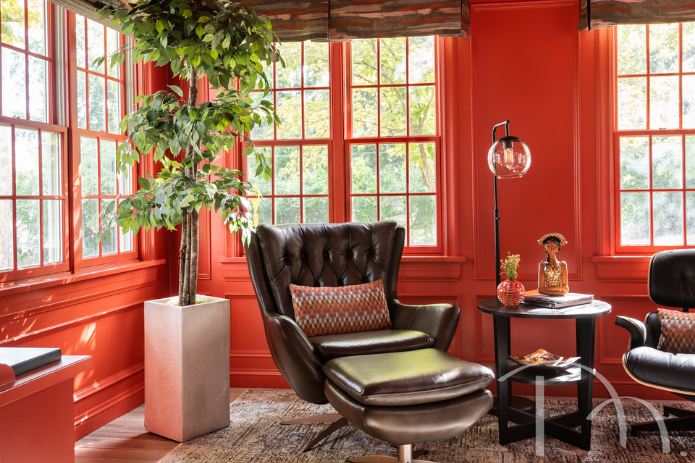
Mix colors and textures interior design effectively by understanding color theory, the color wheel, and how different hues interact. Primary colors like red, blue, and yellow form the base, while combining them creates secondary and tertiary colors, enabling you to craft visually stunning and harmonious spaces.
The color wheel is not only a tool for categorizing colors but also for understanding their interactions. One essential aspect of color theory is the distinction between warm and cool colors. Warm colors, including reds, oranges, and yellows, evoke feelings of energy and passion. In contrast, cool colors such as blues, greens, and purples are often associated with tranquility and calmness. This emotional perception can significantly influence an artist’s choice when mixing colors to convey specific moods.
Furthermore, complementary and analogous colors play vital roles in color mixing. Complementary colors are opposite each other on the color wheel, such as red and green or blue and orange. When placed side by side, they create contrast and visual interest. Using these combinations can enhance depth and vibrancy in artworks. Conversely, analogous colors are adjacent on the color wheel, providing a harmonious and unified look when used together. Artists can experiment with these relationships to create balanced compositions and explore the emotional impacts of their color choices.
Tools and Materials for Color Mixing
Effective color mixing is fundamental to achieving desired results in visual arts, and the right tools and materials play a crucial role in this process. Understanding the various types of paints is essential, as they each possess unique properties. Acrylic paints, for instance, are known for their quick-drying capabilities and versatility. They can easily be diluted with water, allowing for a wide range of effects, from watercolor-like washes to dense layers. Oil paints, on the other hand, provide a rich, vibrant finish and a longer drying time, aiding in blending. Watercolors offer a translucent quality that requires a different approach but can yield beautiful, delicate results when mixed correctly.
Aside from paint types, the selection of palettes and mixing surfaces is significant in the color mixing process. Palette options range from traditional wooden and ceramic palettes to disposable paper palettes. Each type has its advantages—in terms of mixing space and ease of cleaning. The surface chosen for mixing colors should accommodate the medium; for example, a smooth glass or acrylic sheet may be ideal for oils, while a textured surface might benefit watercolors.
Brushes are another essential component; the size, shape, and material of the brush can influence color application and mixing. Flat brushes can help with mixing large areas of color, while round or liner brushes are better for detail work. For effective mixing, it is also advisable to have a color chart on hand to reference and understand color relationships such as complementary and analogous colors.
When choosing tools, artists should consider their preferred medium and technique. This ensures that they not only achieve the best results but also enjoy the process of mixing colors. Familiarity with the tools enhances the overall experience, leading to more successful and satisfying art creations.
Techniques for Mixing Colors
Mixing colors is a fundamental skill for artists, enabling them to create a diverse palette that can enhance their artwork. There are several effective techniques to achieve this, each with its unique applications and advantages.
Wet Mixing involves combining colors while they are still wet on the canvas or palette. This method allows for colors to blend seamlessly, creating soft gradients and nuanced shades. To practice wet mixing, start with two or three colors on your palette, using a brush to mix them directly. Pay attention to the ratio – small adjustments can lead to significant changes in shade and tone. A common mistake is using too many colors simultaneously, which can muddy the mix.
Dry Mixing refers to the technique of blending colors using dry media, such as pastels or colored pencils. This method allows for a more textured outcome and is ideal for creating depth in visual compositions. For best results, apply the colors lightly in layers, gradually increasing intensity as needed. Artists should avoid pressing too hard initially, which can lead to over-saturation in certain areas.
Layering is another effective technique, where colors are applied in transparent layers. This method provides depth and complexity to the artwork while allowing previous colors to show through. Begin by applying a base layer and let it dry before adding additional colors. This technique is highly effective in mediums like acrylic and oil paints. Artists must be cautious not to alter previous layers excessively, as this can disrupt the intended look.
Glazing is a specialized method of mixing where a transparent layer of paint is applied over a dried opaque layer. This can dramatically change the appearance of colors, adding luminosity and richness. When glazing, select a suitable medium that enhances transparency. Artists should also consider the nature of the colors beneath the glaze; too dark a base can diminish the vibrancy of the glaze.
Incorporating these techniques into your practice can significantly enhance your mixing skills, helping you create more complex and visually appealing artworks. Remember that experimentation is vital for mastering color mixing, and learning from mistakes will improve your abilities over time.
Practical Applications and Exercises
Color mixing is a fundamental skill that every artist should cultivate to enhance the effectiveness of their work. Engaging in practical exercises not only solidifies one’s understanding of color theory but also allows for experimentation and personal expression. Below, we highlight several hands-on activities designed to bolster color mixing skills.
One effective exercise is to create a simple color wheel. Start by mixing primary colors to create secondary colors, and then proceed to create intermediate colors through the blending of primary and secondary colors. This visual representation will help artists understand the relationships between colors and how different hues interact with one another. Aim to blend colors with varying proportions to observe how the dominant hue shifts.
Another pragmatic approach is to conduct a “limited palette” painting session. Choose only two or three colors, alongside white and black. By restricting your color choices, you are encouraged to focus on tone, shade, and temperature variations, thus promoting more thoughtful mixing. Challenge yourself to create multiple compositions with this limited palette, allowing for a range of interpretations from a single set of colors.
Furthermore, studying famous artworks can provide invaluable insights into effective color mixing. Consider analyzing pieces by renowned artists such as Claude Monet or Vincent van Gogh, examining how they applied color mixing techniques to achieve vibrancy and depth. Pay attention to how different colors influence mood and perception within their compositions. Try to replicate certain aspects of these works by mixing similar hues to experience firsthand how color can transform an artwork.
By practicing these activities, artists can develop their color mixing abilities, leading to more cohesive and impactful visual statements in their work. Regularly experimenting with these exercises encourages a deeper understanding of color interaction and enhances overall artistic proficiency.
Want a home that looks professionally designed? Start mixing colors and textures today!