




Mirrors in Interior Design: How They Visually Expand Your Space
The Power of Reflection: Understanding Mirrors in Design
Mirrors in Interior Design are essential tools for enhancing both aesthetics and functionality in any space. Beyond their practical use, mirrors reflect light and create the illusion of depth, making rooms feel larger and more inviting. Strategically placing mirrors can transform compact areas, brighten interiors, and elevate the overall design of your home or office.
The scientific principles behind reflections are straightforward. A mirror reflects the light that strikes its surface, bouncing it back into the environment. This not only amplifies natural light but also distributes it more evenly throughout a room, effectively illuminating darker corners. This interaction between light and mirrors can evoke a sense of openness, thus making a small room feel larger. Designers often exploit this trait by installing mirrors opposite windows or in locations where they can capture ambient light.
Moreover, the psychological effects of mirrors extend beyond mere visual enhancements. The sight of one’s reflection can induce feelings of tranquility and self-awareness, contributing to a positive atmosphere. In small spaces, such as apartments or quaint studios, the strategic placement of mirrors fosters a sense of spaciousness, vital for creating a comfortable environment. The ambiance created by well-placed mirrors can evoke emotions that make a space feel more inviting and less claustrophobic.
In summary, mirrors are not just decorative elements; they are powerful tools in interior design that can subtly and effectively expand perceptions of space. By understanding and utilizing the mechanics of reflection, designers can transform spaces, enhancing not only their physical attributes but also the emotional experiences of those who inhabit them.
Choosing the Right Mirror: Styles and Sizes
When selecting a mirror for your interior design, it is essential to consider the variety of styles and sizes available, as they can significantly influence the aesthetics and functionality of a room. Mirrors not only serve as decorative elements but also as tools to enhance the ambiance and perception of space.
One popular style is the traditional framed mirror, which often features ornate embellishments. Such mirrors can be focal points that complement vintage or classic decor themes, adding an elegant touch. Alternatively, sleek, frameless mirrors harmonize with contemporary design, offering clean lines and minimalistic charm. For those who prefer a playful design, mirrors in unique shapes or asymmetrical forms can introduce a fun and creative element to a space.
The size of the mirror is equally important. Large mirrors can create the illusion of more space, making them ideal for compact areas such as small living rooms or narrow hallways. Positioning a large mirror strategically, such as opposite a window, can reflect natural light and make the space feel more open and inviting. Conversely, smaller mirrors might be more suitable for intimate settings or as part of a gallery wall, where multiple pieces contribute to the overall decor.
Another factor to consider is the placement of the mirror. Placing a mirror at eye level can enhance usability and accessibility, while positioning it above furniture pieces, like a console table or mantel, can create a cohesive look. Furthermore, integrating the mirror’s style and design with existing decor ensures that it complements the room’s theme. By taking into account style, size, and placement, one can select the ideal mirror that not only reflects personal taste but also enhances the interior design harmoniously.
Strategic Placement: Maximizing Space with Mirrors
Incorporating mirrors into interior design serves not only aesthetic purposes but also enhances the perception of space. One effective strategy involves positioning mirrors directly opposite windows. This technique allows natural light to bounce off the mirror, illuminating the room and creating an airy atmosphere. By capturing the view outside, mirrors can extend the visual boundaries of a space, making it feel larger and more open.
Another key placement strategy is to situate mirrors near light sources, such as lamps or sconces. This placement draws attention to the light source and increases brightness, enhancing the room’s overall ambiance. For example, a well-placed mirror positioned beside a window or a bright overhead light can help distribute light evenly throughout the room, thus optimizing the visual space available.
Additionally, corners of a room often present overlooked opportunities for strategic mirror placement. Using mirrors in these areas can reflect and amplify the light entering from adjacent walls or openings. This creates an illusion of depth, effectively expanding the perceived dimensions of the room.
However, there are common pitfalls to avoid when incorporating mirrors in your design scheme. Maintaining balance and harmony is crucial. Overusing mirrors can lead to a disorienting effect, where the reflection might compete with focal points in the room rather than complementing them. Moreover, it is essential to consider the mirror’s frame and design, ensuring that it aligns with the overall décor style. An ill-fitting mirror can disrupt the flow of a space, rendering the design ineffective.
By adhering to these strategic placement tips, one can effectively utilize mirrors to enhance the visual expansion of a room while ensuring functional and aesthetic coherence.
Trendy Mirror Applications in Modern Interiors
In today’s interior design landscape, mirrors are increasingly employed in innovative and unexpected ways, extending their functionality far beyond simple reflections. Modern designers are embracing mirrors as versatile tools to enhance aesthetics, light, and space in residential and commercial interiors alike.
One of the trending applications involves the use of mirrored furniture. Items such as coffee tables, dressers, and cabinets featuring reflective surfaces not only add a sense of luxury but also visually expand the space. The reflective quality of these pieces enables light to bounce around the room, creating brighter and airier atmospheres while making them the focal point of the design.
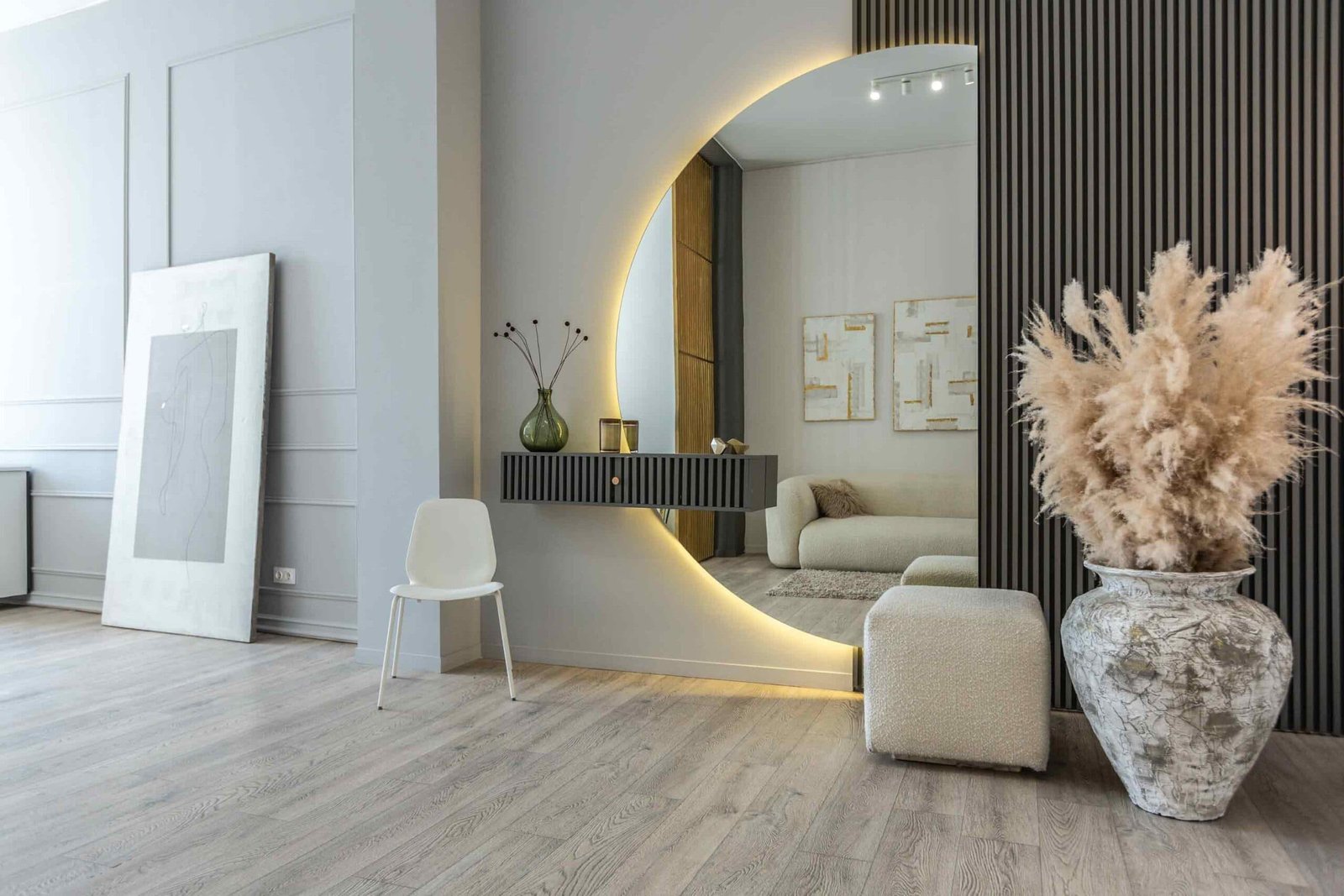
Furthermore, decorative mirrored panels are gaining momentum as effective design elements. These panels can be intricately designed and used as wall coverings, replacing traditional paint or wallpaper. By incorporating geometric shapes or stunning patterns, designers create a dynamic visual texture that draws the eye and facilitates a deeper exploration of the space. The use of large mirrored panels is particularly effective in smaller areas, contributing to an illusion of greater depth and openness.
Another creative approach involves mirrors that serve as art pieces. Innovative designs featuring unique frames or sculptural forms are not only functional but also elevate the overall décor. These artistic mirrors can be strategically placed to complement other decorative elements, acting as visual bridges that enhance the coherence and flow of a room. Whether framed in gold leaf or designed in minimalist styles, these mirrors contribute not just to usability but also to the overall identity of the interior.
In summary, the contemporary use of mirrors in interior design manifests in various forms, acting as pivotal elements that can elevate a space’s style and functionality. By incorporating creatively designed mirrors into interiors, homeowners and designers alike are able to maximize visual appeal while transforming the ambiance of their surroundings.
Elevate your home decor effortlessly – see how mirrors in interior design can transform your space!
Make every room feel more spacious and inviting – start using mirrors in your interior design today!