




- Gardening
- Blog
- Design
- Design Concepts
- Design Principles
- Design Services
- Design Styles
- Design Technology
- DIY Home Projects
- Furniture Design
- Home & Garden
- Home and Garden
- Home Decor
- Home Design
- Home Improvement
- Interior Design
- Life Style
- أثاث وديكور
- الأثاث
- تصميم
- تصميم داخلي
- ديكور المنازل
- ديكورات منزلية
Indoor Plants: Enhance Your Home Decor and Create a Healthier Living Space
The Aesthetic Appeal of Indoor Plants
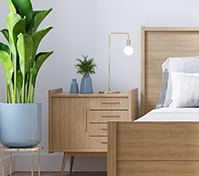
Indoor plants serve not only as decorative elements but also as vital contributors to the overall aesthetic appeal of a home. The incorporation of greenery brings life and vibrancy into spaces that may often feel sterile or bland. Different types of indoor plants can suit various home styles, enhancing the visual design in unique ways. For instance, modern homes often benefit from sleek, sculptural plants such as the snake plant or fiddle-leaf fig, which emphasize clean lines and minimalism.
On the other hand, a bohemian-inspired decor thrives on a variety of lush, trailing plants like pothos and string of pearls, which soften sharp angles and add a sense of playfulness. In traditional interiors, classics like peace lilies or rubber plants harmonize beautifully with antique furnishings, creating a timeless ambiance. The choice of color, shape, and texture in foliage plays a pivotal role in setting the mood of the room. Variegated plants with striking patterns can become focal points, while softer, monochromatic greens contribute to a serene environment.
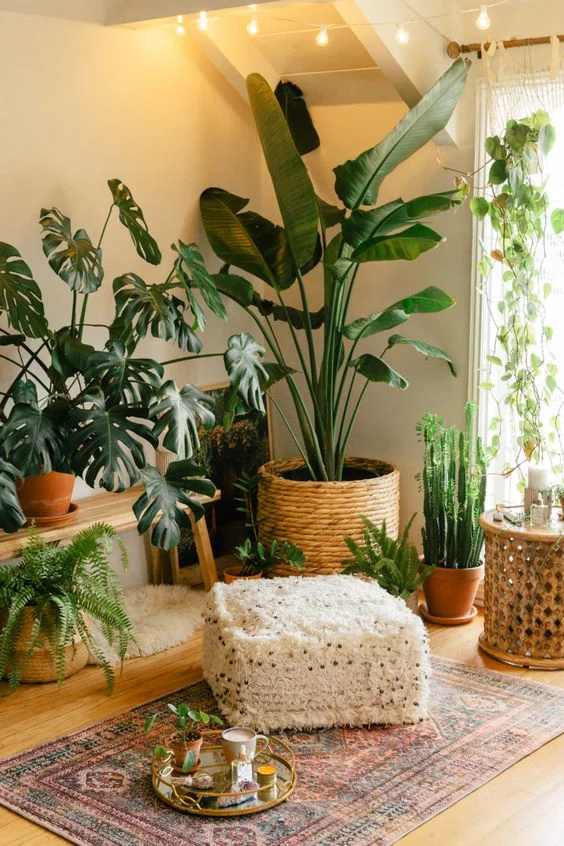
Moreover, the selection of pots and containers can further amplify the aesthetic appeal. Choices range from terracotta for a rustic feel to sleek ceramic options that fit contemporary settings. When placing plants, consider the height and spread of the foliage; taller plants can make a statement in corners, while shorter varieties work well on shelves or coffee tables. Creating arrangements with multiple plants can lead to dynamic displays—grouping plants with complementary textures and colors enhances the visual interest and draws the eye throughout the space.
Health Benefits of Keeping Indoor Plants
Indoor plants have become a popular addition to homes, not only for their aesthetic appeal but also for their significant health benefits. One of the key advantages of having indoor plants is their ability to enhance air quality. Numerous scientific studies have shown that certain plants can filter toxins such as formaldehyde, benzene, and carbon monoxide from the air, creating a healthier living space. By absorbing these harmful substances, indoor plants can contribute to overall respiratory health and well-being.
Moreover, indoor plants increase humidity levels in the environment. This is particularly beneficial in dry climates or during winter months when indoor heating reduces humidity levels. Higher humidity can alleviate dryness in the skin, throat, and nose, potentially leading to fewer respiratory infections and greater comfort. The presence of greenery helps maintain a balanced atmosphere, which is conducive to better health.
Beyond the physical advantages, indoor plants also provide significant psychological benefits. Studies have demonstrated that being around greenery can considerably reduce stress and anxiety levels. For instance, the presence of plants has been linked to enhanced mood and increased feelings of tranquility. Having indoor plants in your workspace can boost productivity and creativity, as exposure to nature has been shown to improve cognitive function. Incorporating plants into personal areas can create a calming retreat, perfect for relaxation and unwinding after a long day.
For those looking to integrate plants into their daily environments, selecting low-maintenance varieties such as snake plants, pothos, or peace lilies can be ideal. Placing them in spaces like home offices, living rooms, or bedrooms can optimize the health benefits they provide, ensuring that the living space remains both beautiful and conducive to well-being.
Caring for Your Indoor Plants
Caring for indoor plants is a rewarding venture that not only enhances the aesthetic of your home but also contributes to a healthier living environment. The first step in successful plant care is selecting the right species based on the light and climate conditions within your space. Plants such as snake plants and pothos are ideal for low-light areas, while succulents typically thrive in bright, direct sunlight. It’s crucial to understand the specific needs of each plant to ensure their longevity and vitality.
Watering practices form the foundation of plant health. Overwatering is a common mistake that can lead to root rot and other issues. Always check the moisture level of the soil before watering; it is best to water when the top inch of soil feels dry. Additionally, using pots with drainage holes can help prevent excess water retention, creating a more suitable environment for your plants.
Fertilizer is also essential for indoor plants, as it provides necessary nutrients that may be missing from the soil. Opt for a balanced, all-purpose fertilizer during the growing season, but be cautious not to over-fertilize, which can lead to salt buildup and damage to the plant. Regular feeding, typically every 4-6 weeks during growth seasons, will support optimal growth.
Pest management is a crucial aspect of plant care. Regularly inspect your plants for signs of pests such as aphids or spider mites. If detected, use insecticidal soap or natural remedies to effectively control infestations without harming the plant. Recognizing signs of plant stress—such as yellowing leaves or stunted growth—is vital in addressing issues before they escalate. By troubleshooting promptly and providing the right care, your indoor plants can thrive and bring joy to your home.
Creating a Plant-Friendly Environment in Your Home
To cultivate a thriving indoor plant community, it is essential to create an environment conducive to their growth. Start by assessing the available natural light in various areas of your home. Many plants require bright, indirect light for optimal growth; therefore, placing them near windows can enhance their well-being. However, it’s important to remember that certain plants, like succulents and snake plants, can tolerate direct sunlight, while others, such as ferns, prefer shadier conditions.
Temperature control is another critical factor. Most houseplants thrive between 65°F and 75°F (18°C to 24°C). Avoid placing them near heating vents or drafty windows, as temperature fluctuations can stress your plants. Furthermore, managing humidity levels is vital, especially for tropical species that flourish in humid environments. You can increase humidity by using pebble trays filled with water, misting the plants regularly, or employing a small humidifier.
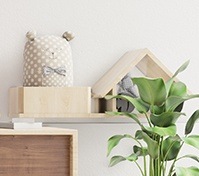
Consider incorporating various plant displays throughout your home to elevate the aesthetic appeal. Hanging plants can create a visual dimension and save space, while shelves can serve as a perfect resting place for an array of plants. Terrariums are also an excellent option for showcasing small plants in a contained environment, ideal for adding a touch of greenery to desks or coffee tables.
Personalizing your plant spaces can make your home even more inviting. You could create themed plant corners, such as a leafy oasis with lush ferns and pothos or a vibrant area filled with flowering plants. Family plant projects, such as a vegetable garden or herb display, can engage the whole household and foster a shared appreciation for nature.
Transform your living space with indoor plants – learn expert tips now!
Add beauty and freshness to your home – explore indoor plant ideas today!