










Exploring Local Material Palettes: Sustainable Bamboo and Stone
Introduction to Local Material Palettes
The concept of local material palettes has gained traction in the realm of sustainable architecture and design. This approach emphasizes the utilization of materials that are not only readily available but also environmentally friendly. By focusing on locally sourced materials, such as bamboo and stone, designers and builders contribute to eco-friendly construction practices while supporting local economies.
One key advantage of integrating local materials into construction is the reduction of overall carbon footprints associated with transportation. Materials that are sourced locally minimize the energy consumed during transit, leading to a lighter environmental impact. For instance, bamboo, known for its rapid growth and renewability, serves as an excellent alternative to traditional timber. Its lightweight nature and remarkable tensile strength make it ideal for various structural applications, while its availability in many regions allows for responsible sourcing.
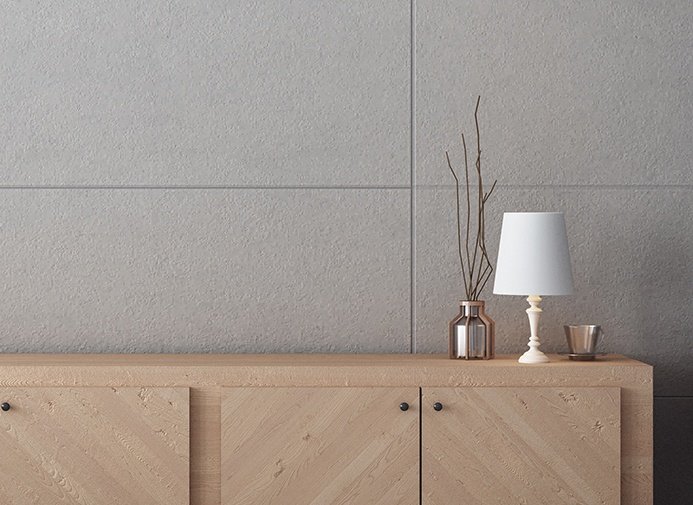
Stone is another prominent example of a local material that possesses both aesthetic and functional benefits. Each region typically has its own unique types of stone resources, which not only add character to buildings but also reduce the need for extensive transport. The durability of stone contributes to the longevity of structures, further complementing sustainable practices. Furthermore, utilizing local stone can help preserve regional craftsmanship and traditions, fostering a sense of community and architectural integrity.
In embracing local material palettes, architects and constructors recognize the potential for environmentally sound practices that also bolster local economies. It creates a symbiotic relationship where both the environment and community benefit from sustainable choices. This approach to building not only champions the use of renewable resources but also underscores the importance of integrating regional elements into modern design, yielding a holistic and conscientious building methodology.
The Benefits of Bamboo as a Sustainable Material
Bamboo has gained considerable attention as a sustainable building material due to its remarkable properties that meet the demands of modern construction and design. First and foremost, bamboo is renowned for its rapid growth rate. Under optimal conditions, certain species can grow up to 91 centimeters within a single day. This fast growth significantly reduces the time needed for harvesting compared to traditional hardwoods, making bamboo an incredibly renewable resource. Furthermore, bamboo can be harvested sustainably without harming the plant itself, allowing for repeated harvests over time.
One of the most appealing aspects of bamboo is its impressive strength-to-weight ratio. Bamboo has been shown to possess greater tensile strength than steel, making it an ideal choice for various structural applications. This strength allows for thinner profiles in construction, thereby reducing the amount of material required and lowering overall weight, which is particularly advantageous in seismic-prone areas.
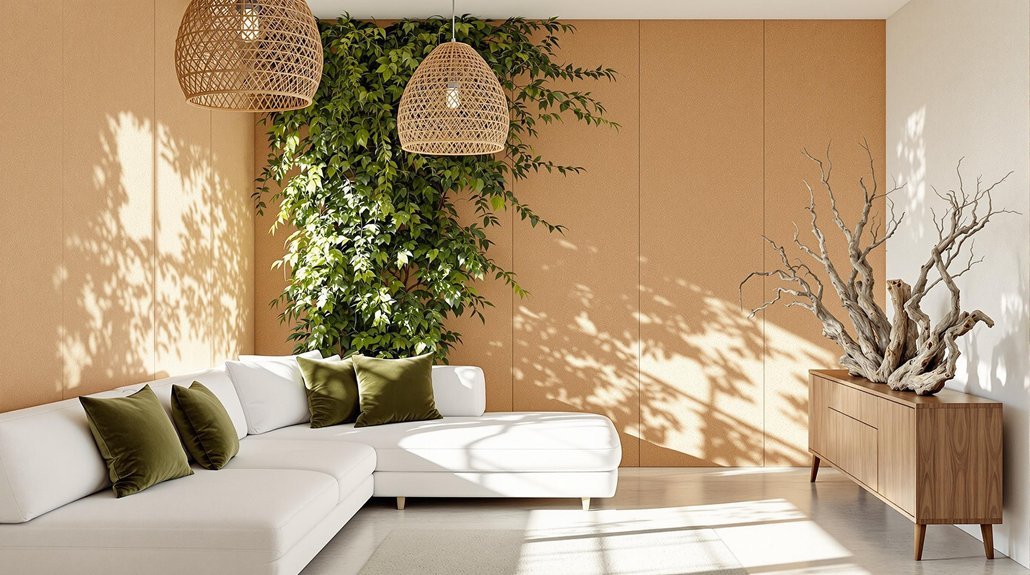
The versatility of bamboo further enhances its appeal in both construction and design. It can be utilized in a multitude of ways, ranging from flooring, scaffolding, and roofing to furniture, decorative elements, and even textiles. This adaptability means it can be integrated into both traditional and modern architectural styles. Moreover, bamboo holds cultural significance in many regions, symbolizing resilience and integrity. In countries like China and Japan, bamboo has been historically used in everything from housing to artistic expression, illustrating its deep-rooted connection to local heritage.
The increasing move towards eco-friendly materials makes bamboo an ideal solution. Its use can help reduce carbon emissions and environmental footprints associated with building. As such, bamboo represents a forward-thinking choice, bridging the gap between sustainability and functionality, and suggesting a pathway toward more eco-conscious living and building practices.
The Role of Stone in Sustainable Architecture
Stone is increasingly recognized as a vital material in sustainable architecture due to its inherent characteristics that enhance durability and environmental adaptability. One of the most prominent features of stone is its exceptional durability, which enables structures to withstand the test of time. When properly sourced and utilized, stone can last for generations without the need for significant repairs or replacements. This longevity significantly reduces the overall environmental impact associated with building materials, aligning well with the principles of sustainability.
In addition to its durability, stone exhibits remarkable thermal mass properties. This means that stone can absorb and store heat during hot periods and release it slowly when temperatures drop, effectively moderating indoor temperatures. Such natural temperature regulation can lead to reduced reliance on mechanical heating and cooling systems, ultimately enhancing energy efficiency in buildings. As architects and designers seek to create environments that minimize energy consumption, the incorporation of stone becomes not just a choice but a strategic decision.
Moreover, the aesthetic appeal of stone cannot be overlooked. With its unique textures, colors, and patterns, stone serves as an adaptable material that can blend seamlessly into various environments, from urban settings to natural landscapes. This versatility allows architects to create structures that harmonize with their surroundings, while also utilizing local resources. Sustainable stone extraction and processing practices are essential to ensure the environmental footprint remains low. Emphasizing local sourcing mitigates transportation emissions and supports regional economies, adding to the sustainability of the project.
In summary, stone’s durability, thermal mass, aesthetic qualities, and potential for sustainable extraction position it as an essential element in modern architecture that prioritizes sustainability and environmental consciousness.
Innovative Approaches to Combining Bamboo and Stone
Incorporating bamboo and stone in design projects presents a unique opportunity to create eco-friendly structures that are both aesthetically pleasing and structurally sound. These two materials, when used in tandem, not only elevate the visual appeal of a space but also enhance its environmental sustainability. Bamboo, known for its rapid growth and renewability, pairs remarkably well with natural stone, renowned for its durability and timelessness.
One innovative architectural style that successfully utilizes both bamboo and stone is the modern tropical design. In this approach, bamboo can be used for structural elements like beams and columns, while stone serves as a grounding force, often used for walls or foundation work. This combination allows for open, airy spaces that seamlessly integrate with their natural surroundings while ensuring stability and longevity.
Projects around the globe showcase the successful pairing of bamboo and stone. For instance, the Green School in Bali employs bamboo for its roof structures and walls while using stone for the school’s base, resulting in a striking contrast that is both functional and harmonious with the environment. Similarly, the use of stone accents in bamboo residential projects can create an inviting atmosphere and enhance thermal mass, thereby improving energy efficiency.
Designers and builders looking to achieve a balanced aesthetic using bamboo and stone should consider several factors. First, the scale and proportion of both materials should be harmonized, ensuring neither overshadows the other. Additionally, the textural contrasts can be maximized through careful selection of bamboo finishes and stone varieties, which can enhance the overall sensory experience of a space. Attention to the color palette is also crucial, as natural tones often complement each other beautifully.
In summary, the combination of bamboo and stone in design projects offers an array of benefits, including improved structural integrity and ecological advantages, while also allowing for creative expression and sustainability in modern architecture.
Design Sustainably with Bamboo, Stone & Natural Textiles – Explore Now!
Elevate Your Interiors with Bamboo, Stone & Textiles – Start Now!