





Energizing Rooms: The Power of Vibrant Colors
The Psychology of Color in Interior Design
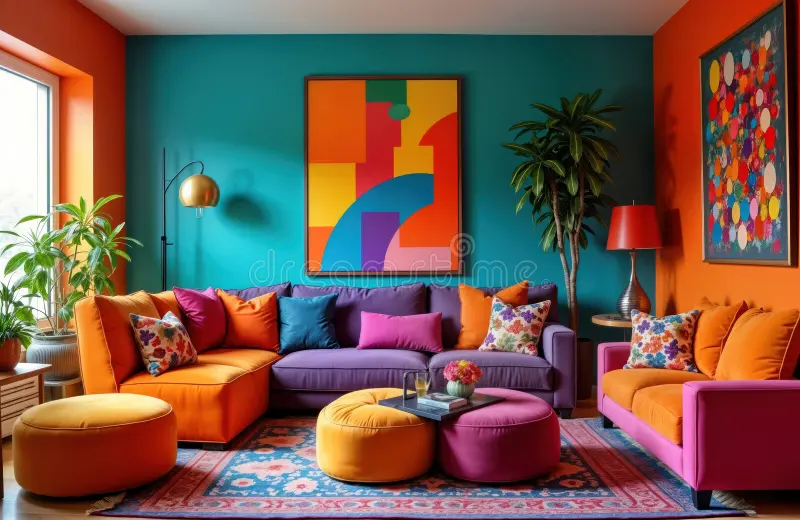
Vibrant Colors transform interiors by adding energy, personality, and creativity to any space. Bold shades like red, orange, and bright blue can elevate mood, stimulate conversation, and inspire innovation. Using vibrant colors strategically in social areas, creative studios, or modern living rooms creates visually striking and lively environments that engage the senses.
In contrast, cooler colors like blue and green are typically regarded as calming and soothing. Blue has been linked to improved focus and productivity, making it suitable for home offices or study areas. Green, closely associated with nature, can promote feelings of tranquility while simultaneously invigorating the spirit. This makes both colors ideal for areas where relaxation and rejuvenation are desired.
Yellow stands out as a vibrant and cheerful color, evoking warmth and optimism. It is often used in kitchens or dining rooms to stimulate appetite and conversation. However, it is essential to use yellow thoughtfully, as excessive amounts can lead to feelings of agitation. Accordingly, integrating yellow in accents allows for a vibrant addition without overpowering the space.
The science behind color psychology indicates that our emotional response to various colors is partly rooted in cultural associations and personal experiences. Therefore, understanding color’s impact on mood provides valuable insights for creating energizing atmospheres in any room. By selecting the right shade, interior designers can transform spaces, making them not only visually appealing but also emotionally supportive. Vibrant colors, when used judiciously, can breathe life into rooms, promoting an environment that electrifies the spirit and energizes the occupants.
Choosing the Right Vibrant Colors for Your Space
Selecting the appropriate vibrant colors for your space can significantly influence the ambiance, energy, and overall psychology of a room. It is essential to consider the room’s purpose, size, and the natural lighting available. Different rooms serve different functions, and the colors you choose can either enhance or detract from that purpose.
Begin by assessing the size of the room. Smaller spaces can be overwhelmed by overly bright, dark, or intense colors; thus, lighter vibrant shades can make these areas feel larger and more inviting. For instance, pastel tones of yellow or light blue can create an airy atmosphere while still embodying the vibrancy of color. Conversely, larger spaces can accommodate bold hues, such as rich reds or deep greens, which can foster warmth and comfort.
Natural light also plays a crucial role in color selection. Rooms with ample natural light can afford the luxury of darker or richer colors since the brightness can balance their intensity. In contrast, spaces with limited light often benefit from vibrant and warmer colors to create a lively and inviting environment. A sunlit room adorned with a striking orange or bright pink can radiate positivity, while a dimly lit room may resonate better with cheerful yellows or vibrant greens.
When choosing your vibrant color palette, consider utilizing a color wheel, which is a valuable tool in helping identify harmonious color combinations. Colors adjacent to each other, known as analogous colors, can create peaceful and cohesive spaces, while colors across from one another create a dynamic contrast. For example, pairing turquoise with coral can infuse energy into a room. This method helps balance vibrancy with cohesion, ensuring that your room maintains its intended atmosphere while maximizing the impact of color.
Techniques for Incorporating Color into Your Rooms
Incorporating vibrant colors into a room’s decor can dramatically enhance the atmosphere and energy of the space. One of the most effective techniques is through wall painting. Opting for bold colors on key walls can create a striking focal point, while lighter shades can help to maintain an open feel. Accent walls, where one wall is painted a different color, can add depth and interest, drawing attention to architectural features or artwork.
Another method to introduce color is through furniture selection. Colorful furniture pieces, such as sofas, chairs, or tables, can serve as statement elements in a room. When choosing furniture, consider contrasting colors to balance the overall look and maintain harmony within the space. Additionally, incorporating various shades of the same color brings about a unified yet dynamic aesthetic.
Textiles such as cushions, rugs, and curtains are also excellent for adding color. These elements allow for flexibility in design, as they can be easily changed or updated according to seasons or trends. Incorporating patterns through these textiles can further invigorate a room, inviting a playful yet sophisticated ambiance.
Finally, artistic elements play a crucial role in color incorporation. Artwork can be used strategically to introduce a lively color palette into the room. Whether it’s paintings, sculptures, or wall hangings, these pieces can tie together the room’s theme and energize the environment.
The overall placement of furniture can also impact how colors interact within a room. Strategic arrangement allows for balanced visibility of vibrant colors, ensuring that they enhance rather than overwhelm the space. By thoughtfully applying these techniques, anyone can create an energizing ambiance through the power of color.
Case Studies: Transformations with Vibrant Colors
Transforming a room with vibrant colors can produce astounding results, as seen in various real-life case studies. One notable example involved a small, dull living room that was originally painted in muted grays. The owners decided to inject life into their space by opting for a bold teal shade on the walls, complemented by bright yellow accents in the furniture and decor. The result was a cheerful, inviting atmosphere that not only enhanced the room’s appearance but also positively impacted the owners’ mood.
Another inspiring transformation occurred in a child’s bedroom, which was once characterized by plain white walls and uninspired furnishings. The parents chose a lively palette of pastel colors, introducing a soft lavender for the walls and a mix of vibrant pink and blue hues for the bedding and artwork. This decision created a playful and imaginative environment, fostering creativity and joy, making the room a delightful retreat for their child.
A different approach was taken for a modern kitchen, which previously lacked personality. The homeowners selected a deep navy blue for the cabinets, combined with crisp white countertops and gold hardware. This bold choice provided a contemporary edge while remaining sophisticated. The dynamic color application elevated the kitchen’s aesthetic, transforming it into a stylish and functional centerpiece of their home.
These examples illustrate how the use of vibrant colors can transcend mere aesthetics and significantly alter the ambiance and functionality of a room. Each case study highlights the power of color in creating environments that resonate with the inhabitants. Whether the goal is to invoke calmness, energy, or creativity, the careful selection and application of vibrant colors can result in transformative outcomes across diverse spaces.
Bring Life to Your Home with Vibrant Colors – Get Inspired Today!
Ready to Make Your Interiors Pop? Discover Vibrant Color Ideas!