




Achieving a Minimalist Interior Without Sacrificing Comfort
Understanding Minimalism in Interior Design
Minimalist Interior design is all about simplicity and functionality, emphasizing only the essentials while eliminating excess clutter. This approach creates a clean, streamlined space where every element serves a purpose. Grounded in the principle that less is more, a minimalist interior promotes tranquility, clarity, and a sense of openness in your living environment.
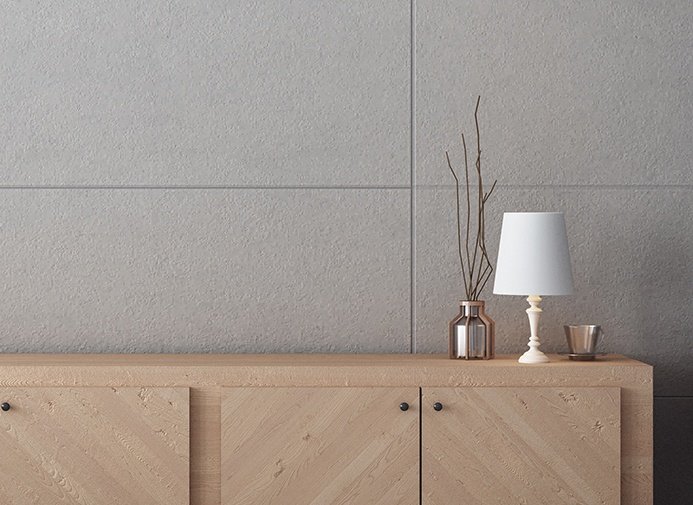
At its core, minimalist design emphasizes the importance of quality over quantity. This means selecting furniture and decor that are not only beautiful but also functional and durable. Natural materials, neutral colors, and clean lines are often favored, contributing to a cohesive and serene environment. This aesthetic does not merely focus on visual appeal; it also addresses the emotional impact of the surroundings. A minimalist space can foster a sense of peace, clarity, and comfort, creating an ideal atmosphere for relaxation and focus.
Furthermore, minimalism encourages individuals to cultivate a mindful approach to their belongings. By being selective about what is kept in a home, residents are more likely to develop a connection with each item, allowing them to appreciate their surroundings fully. The lack of visual distractions not only enhances the beauty of individual pieces but also promotes a more intentional lifestyle. The emotional benefits of such spaces can lead to reduced stress and anxiety, as they often promote a sense of order and calm.
In summary, understanding minimalism in interior design goes beyond mere aesthetics; it encompasses principles of simplicity, functionality, and quality. By embracing these values, individuals can create environments that resonate deeply with their needs, enhancing their overall well-being.
Key Elements of a Comfortable Minimalist Space
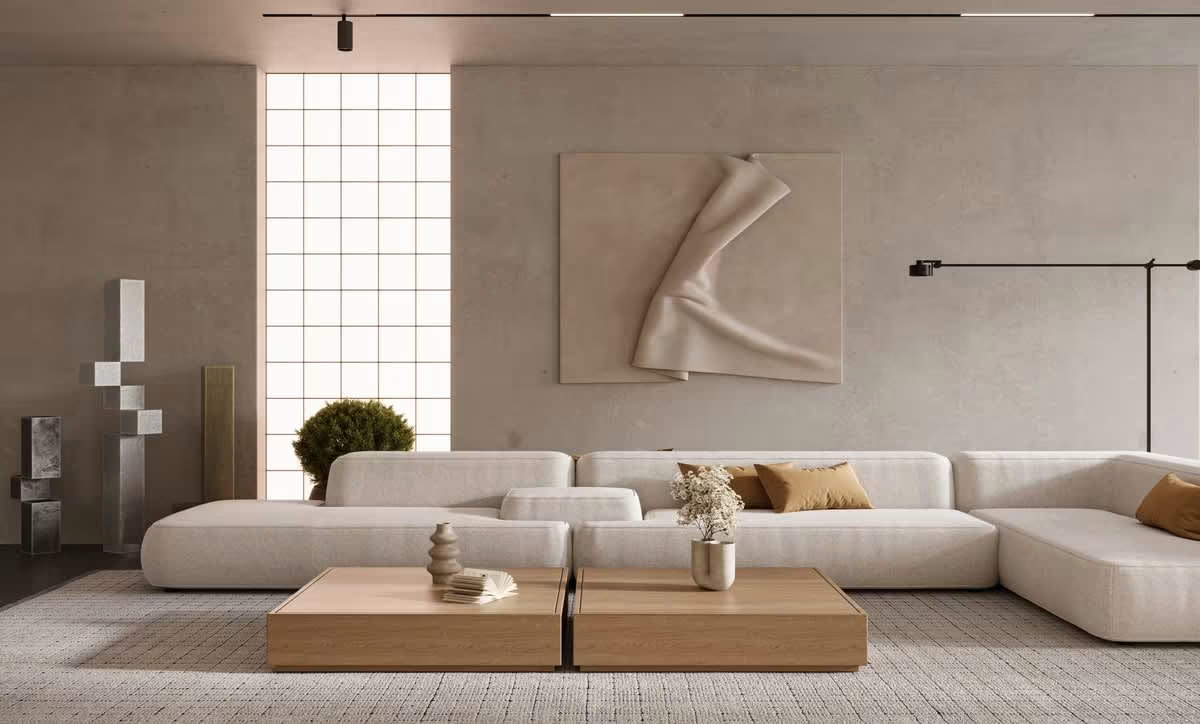
Creating a minimalist interior that prioritizes comfort involves a careful balance between simplicity and functionality. One of the fundamental elements to consider is the blend of open space with cozy furnishings. An airy layout can foster a sense of tranquility, yet it is crucial to incorporate well-chosen pieces that invite relaxation. Opting for a few quality items, such as a plush sofa or a soft area rug, can enhance comfort while maintaining a minimalist aesthetic.
Texture and color play a pivotal role in achieving a warm ambiance. Neutral color palettes, often associated with minimalist interiors, can be juxtaposed with varied textures like linen, wool, or wood to create visual interest. For instance, a monochrome setting can be invigorated by a textured throw or cushions in subtle hues, adding depth to the design without cluttering the space.
Incorporating personal touches should also be a thoughtful process. Artwork and decorative items can reflect individuality and warmth but should be curated carefully to avoid overcrowding. Select a few personal mementos or art pieces that resonate with the overall theme, allowing them to serve as focal points while preserving the minimalist ethos.
Natural light is another indispensable element in achieving both minimalism and comfort. Large windows and open designs can enhance the flow of light, making spaces feel more inviting. Effective space planning is essential to harness natural light; consider the layout of furniture to maximize brightness and create an uplifting atmosphere. By utilizing these key elements—thoughtful furnishings, engaging textures, personal touches, and abundant light—you can successfully cultivate a comfortable minimalist space that promotes relaxation and well-being.
Practical Tips for Creating a Minimalist Interior
Achieving a minimalist interior involves a careful blend of design principles and practical strategies that prioritize both aesthetics and comfort. One of the first steps in this process is decluttering your space. Begin by assessing each room and removing items that you do not use or need. A good rule of thumb is to evaluate possessions in relation to their utility and emotional value. If an item does not serve a purpose or bring joy, it may be time to let it go. Incorporating a decluttering schedule can further facilitate this process, making it manageable over time.
Choosing multifunctional furniture is another effective tactic for creating a minimalist interior. Select pieces that not only provide comfort but also fulfill multiple roles. For instance, a sofa bed can serve both as seating and a sleeping area, while an ottoman with storage can keep your space tidy while offering additional functionality. This approach allows you to maximize the use of limited space without overwhelming it with excess furniture.
Creating focal points is essential in a minimalist design. By choosing a few standout pieces that embody your design vision, you can draw attention to the best features of your space. This could be an artistic wall hanging, a unique light fixture, or a beautifully crafted piece of furniture. The emphasis on fewer, but impactful pieces contributes to a serene and uncluttered environment.
When selecting colors, a cohesive palette is paramount. Neutral tones with warm undertones can make a room feel tranquil while still offering warmth and comfort. Accent colors in small doses can add personality without detracting from the minimalist ethos.
Lastly, consider storage solutions that blend in with your interior style. Built-in shelves or stylish baskets can effectively organize items, reducing visual clutter while maintaining an appealing aesthetic. To keep the minimalist mindset alive, make a habit of reviewing and reorganizing spaces regularly, ensuring that your home remains a sanctuary of simplicity and comfort.
Real-Life Examples of Comfortable Minimalist Interiors
Minimalist design often evokes images of stark, cold spaces; however, many real-life examples demonstrate how comfort can harmoniously coexist with minimalist principles. A prime example is the home of designer Sarah Johnson, located in an urban setting. Sarah has embraced a neutral color palette, relying on whites and soft grays, which offers a calm backdrop. She adds warmth through natural materials, opting for a reclaimed wood dining table and plush linen cushions. This purely minimalist approach ensures a serene atmosphere where every item serves a purpose.
Another remarkable case is the suburban retreat designed by architect David Lee. His strategy includes maximizing natural light through large, unobtrusive windows and utilizing open spaces that promote an airy feel. David emphasizes a cozy environment by integrating soft textures and layered lighting. For instance, the living room pairs a sleek, minimalist sofa with a textured wool throw and strategically placed floor lamps. The balance achieved creates an inviting atmosphere that encourages relaxation.
In coastal settings, the minimalist beach house of Anna Kim provides an excellent illustration of combining minimalist aesthetics with comfort. The use of light colors and simplified forms in the architecture reflects the surrounding landscape, while indoor plants add a touch of nature. Anna carefully selected furniture that embodies both form and function, ensuring that everything from the seating to the décor elements exudes warmth. This example showcases how minimalist design can adapt beautifully to different environments, enhancing both style and comfort.
These examples reflect the versatility of minimalist design. By carefully selecting furniture, utilizing natural materials, and incorporating personal touches, homeowners can achieve interiors that exemplify the principles of minimalist style while offering a welcoming and comfortable living space.
Bring Simplicity and Elegance to Your Space – Learn How!
Create Your Dream Minimalist Interior – Get Expert Tips Here!