






Rugs and Carpets for Interiors: Elevate Your Home’s Style
Understanding the Importance of Rugs and Carpets in Interior Design
Rugs and carpets are fundamental components of interior design that not only enhance aesthetic appeal but also serve functional purposes. These textile elements play a critical role in transforming a space, ensuring warmth, comfort, and sound absorption. In homes and commercial environments alike, they provide physical comfort underfoot, making any area more inviting and cozy.
One of the key functions of rugs and carpets is thermal insulation. They create a barrier between the cold floor and our bodies, contributing to a warmer atmosphere, particularly during chilly seasons. This property is particularly beneficial in homes with hardwood or tile flooring, where a rug can make a cold space feel significantly more comfortable. Additionally, rugs can significantly reduce noise levels in a room, absorbing sound and creating a quieter, more serene environment.
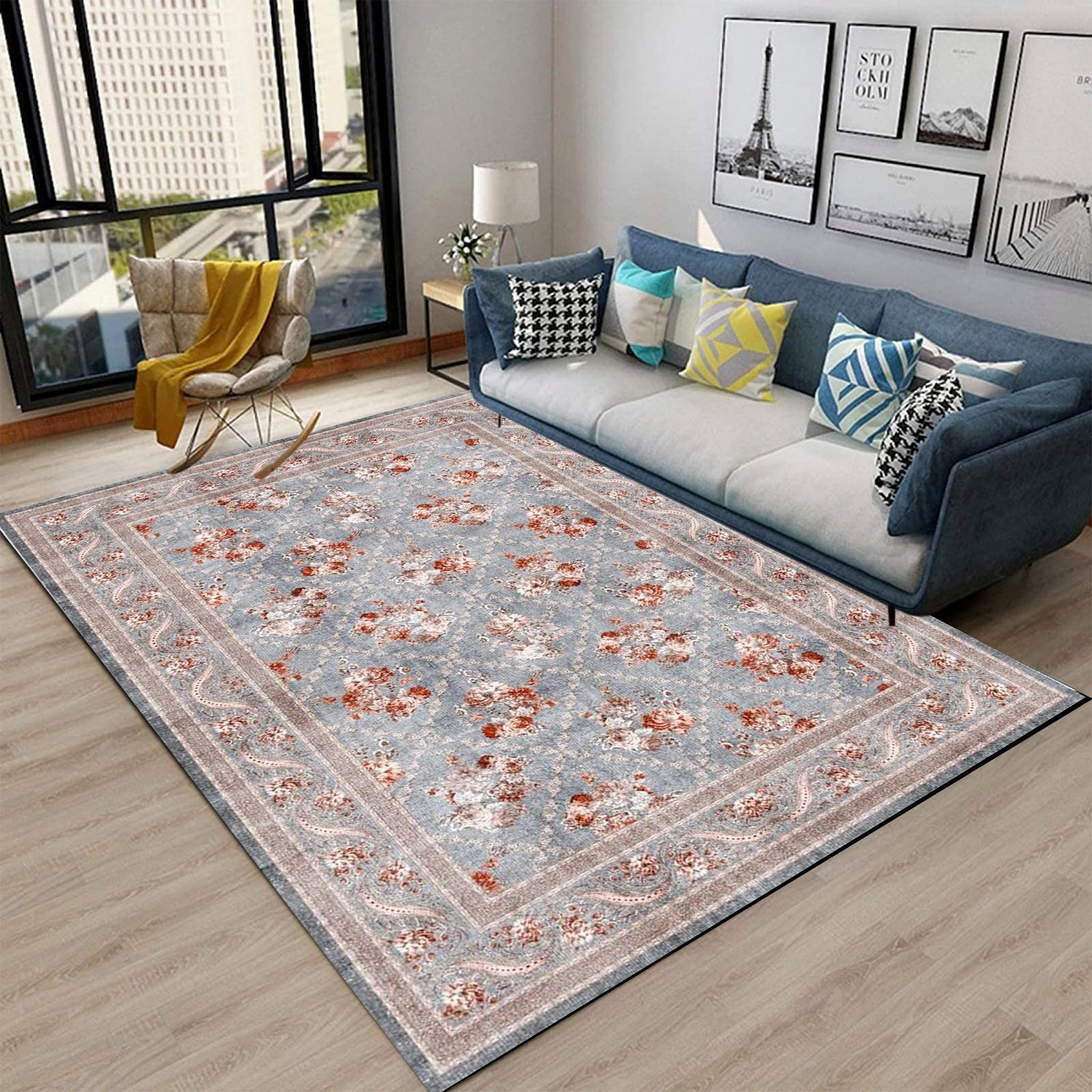
Beyond their functional attributes, rugs and carpets are vital in defining a room’s style and character. Their colors, patterns, and textures can dramatically influence the mood of a space. A vibrant, patterned rug might serve as a focal point in a minimalist room, while a neutral carpet can provide a subtle foundation that allows other design elements to shine. Rugs can also be used to delineate spaces within larger rooms, guiding the eye and creating distinct areas for different functions.
Moreover, in terms of design cohesion, rugs and carpets can tie together various elements within a room, harmonizing colors and textures for a balanced look. They can introduce themes or motifs that resonate with other décor, effectively completing the interior design puzzle. In essence, the careful selection of rugs and carpets is crucial, as they not only enhance comfort but also contribute to the overall aesthetic and ambiance of interior spaces.
Choosing the Right Rug or Carpet for Your Space
When selecting the perfect rug or carpet for your interior space, several practical considerations come into play. First and foremost, size and placement are critical factors. A rug that is too small can make a room feel disjointed, while an oversized one can overwhelm a space. Ideally, your rug should complement the dimensions of your area, allowing furniture to sit comfortably upon it, which helps unify the layout.
Next, consider the materials of your rugs and carpets. Options include natural fibers like wool and cotton, which offer warmth and durability, or synthetic materials that may provide easier maintenance. Wool rugs, for example, are known for their resilience and ability to withstand heavy foot traffic. Conversely, cotton rugs are lighter and often machine washable, offering a practical solution for casual settings. Synthetic rugs, made from materials such as polypropylene, are often stain-resistant and can be a budget-friendly option, particularly for families with young children or pets.
Durability and maintenance also play a significant role in your decision-making process. High-traffic areas such as living rooms or hallways may require more robust rugs that can endure wear and tear without losing their aesthetic appeal. Regular maintenance can extend a rug’s lifespan—this includes vacuuming, spot cleaning, and professional cleaning as needed. Furthermore, it is essential to choose a rug that aligns with your interior style. Whether your home embraces contemporary, traditional, or eclectic designs, the right rug can serve as a focal point or subtly enhance the overall decor. Look for patterns, textures, and colors that seamlessly integrate with your existing furnishings to create a harmonious atmosphere.
Stylish Rug Design Trends for Every Room
As interior design trends evolve, rugs and carpets have emerged as focal points that can dramatically transform the ambiance of any room. Currently, several stylish rug designs are gaining traction, each offering unique aesthetics and functionality that cater to diverse tastes and spaces.
One of the most prominent trends is the use of bold prints and patterns. Geometric designs, abstract artistry, and large motifs can create striking visual interest, particularly in living rooms where these area rugs serve as conversation starters. Opting for a vibrant colored rug can invigorate a neutral palette and add layers to your decor.
In contrast, vintage styles have made a comeback, blending nostalgia with modern sensibilities. These rugs, often featuring muted colors and distressed finishes, evoke a timeless charm that can harmonize beautifully with both contemporary and rustic interiors. Incorporating such vintage pieces in a bedroom can create a serene retreat that combines comfort with elegance.
Eco-friendly options are also becoming increasingly popular, appealing to the environmentally conscious consumer. Rugs made from sustainable materials, such as bamboo, jute, or recycled fibers, not only reduce carbon footprints but also introduce natural textures into the home. These materials can seamlessly fit into various decor styles, contributing to a cozy dining area that reflects a commitment to sustainability.
Moreover, layering rugs is a trend that adds depth and intricacy to interior designs, allowing homeowners to mix and match various textures and patterns. Placing a smaller, intricate rug over a larger, solid one enhances both comfort and style, making it an excellent choice for areas like the living room, where family gatherings occur.
In conclusion, current rug design trends offer an incredible array of choices that cater to every style and room in the home. By thoughtfully integrating these rugs into your interior design, you can elevate your home’s aesthetic while enjoying the functional benefits they provide.
Caring for Your Rugs and Carpets: Tips and Tricks
Maintaining the beauty and durability of your rugs and carpets requires regular care and attention. First and foremost, frequent vacuuming is essential. This not only removes dirt and dust but also helps to prevent the fibers from matting down, ensuring your rugs and carpets remain plush and inviting. Aim to vacuum high-traffic areas at least twice a week, while less-used spaces can be vacuumed every couple of weeks.
When it comes to cleaning methods, the approach varies depending on the material of the rug or carpet. For synthetic carpets, a diluted mixture of carpet cleaner and warm water will often suffice. However, for wool or silk rugs, it is advisable to use cleaners specifically designed for these materials. Always test any cleaning solution on a small area first to avoid discoloration or damage.
Stain removal is another crucial aspect of carpet care. For spills, quickly blot the area with a clean cloth; avoid rubbing as it may spread the stain. Depending on the substance, a mixture of vinegar and water or a commercial stain remover may be necessary. Specific stains, like red wine or coffee, may require specialized products, so consult care instructions for best results.
Protection techniques are equally important. Using rug pads can prevent sliding and protect underlying flooring, while also reducing wear and tear. Furthermore, rotating your rugs every few months can help to evenly distribute wear and fading from sunlight. It is recommended that professional deep cleaning be considered annually, especially for high-quality rugs, as this can restore their original luster and remove deep-seated dirt and allergens.
By employing these tips and tricks, you can ensure that your rugs and carpets not only enhance the style of your home but also stand the test of time. Regular upkeep combined with mindful care routines will greatly contribute to their longevity and aesthetic appeal.
Elevate Your Home’s Style – Explore Stunning Rugs and Carpets Today!
Refresh Your Interiors – Shop Beautiful Rugs and Carpets Now!