




10 Essential Interior Design Tips for Beginners to Transform Your Home in 2026
Understanding Your Space: Assessing Your Needs and Style
Interior Design Tips for Beginners start with evaluating your living space to ensure it meets your needs and reflects your personal style. Begin by assessing your lifestyle, which forms the foundation for all design decisions. Consider factors such as whether you have children, pets, or a need for a dedicated home office, as each element will influence the functionality and layout of your space.
For instance, families with young children may prioritize durable materials and child-friendly designs, while professionals who work from home may require a tranquil and organized workspace. Identifying these requirements will streamline the design process, allowing you to create a home that accommodates both your practical needs and aesthetic desires.
Once you have a clear understanding of your functional requirements, the next step is to explore and identify your preferred design style. This is where inspiration boards or platforms like Pinterest can be immensely helpful. Spend some time curating images that resonate with you, whether they reflect modern minimalism, rustic charm, or bohemian flair. This visual representation can clarify your taste and help you articulate your design goals more effectively.
As you compile your inspirations, pay attention to recurring themes, colors, and textures that capture your attention. This exercise not only fosters creativity but also aids in narrowing down your style choices, making the design process smoother and more cohesive. Ultimately, a thoughtful assessment of your needs and style will guide your interior design efforts, ensuring that your transformed home in 2026 will be both functional and aesthetically appealing.
Color Palette: Choosing the Right Colors for Your Home
Selecting the right colors for your home is a fundamental aspect of interior design that significantly impacts the mood and aesthetic appeal of each room. A cohesive color palette not only reflects your personal style but also creates harmony throughout your living space. Understanding the basics of color theory can help you make informed decisions that enhance your home environment.
In 2026, color trends are expected to shift towards earthy tones and vibrant pops of color that align with a sustainable lifestyle. Shades of green, terracotta, and soft pastels are likely to dominate, reflecting a growing connection with nature. When curating your color palette, consider how different hues can evoke various emotions—cool colors often create a calming atmosphere, while warm colors can add energy to a space.
When balancing bold and neutral colors, it is essential to create a visual rhythm that does not overwhelm the senses. A common technique is to incorporate a neutral base, such as whites or grays, and layer it with one or two bold accent colors. This approach allows for a dynamic look without compromising the overall design coherence.
Natural light also plays a crucial role in color selection; the same hue can appear differently throughout the day as lighting conditions change. Therefore, it is recommended to test paint samples in various lighting situations before making your final choice. Additionally, using lighter colors can help to create an illusion of more space, making small rooms feel larger. Conversely, darker shades can add warmth and intimacy to a larger area.
In conclusion, a well-thought-out color palette is essential in transforming your home into a cohesive and inviting space. By understanding color theory and the latest trends for 2026, you can select hues that not only reflect your personal taste but also enhance the functionality and atmosphere of your home.
Furniture Selection: Functionality Meets Aesthetics
When embarking on the journey of interior design, selecting the right furniture is crucial as it significantly impacts both the look and functionality of a space. A well-designed room is one that balances aesthetics with practicality. First and foremost, understanding scale and proportion is essential when choosing furniture. Large pieces can overwhelm a small room, while smaller items may feel lost in a spacious area. Measure your space accurately to ensure that the furniture harmonizes well with the dimensions of the room, creating a visually appealing layout.
In smaller homes or apartments, maximizing space becomes paramount. Consider incorporating multifunctional furniture, such as a sofa bed or ottoman with storage. These pieces not only serve their primary function but also offer additional utility, which is particularly valuable in compact living environments. Optimizing every square foot ensures the area remains uncluttered and practical, while still providing comfort and style.
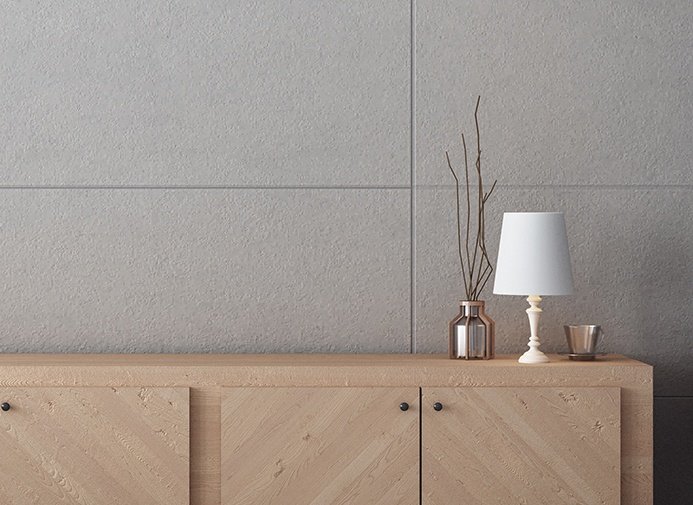
Moreover, the mixing of textures and materials in furniture design can enhance the overall ambiance of your home. Combining different materials, such as wood, metal, and textiles, adds depth and interest to your interiors. For instance, pairing a plush velvet sofa with a sleek glass coffee table can create an inviting yet modern aesthetic. Experimenting with a range of textures allows for an enriched sensory experience and fosters a harmonious atmosphere throughout the space.
In summary, selecting furniture that successfully merges functionality with aesthetics is a vital aspect of effective interior design. By carefully considering scale and proportion, maximizing storage in smaller areas, and creatively mixing materials, you can transform your home into a stylish and practical retreat.
Accessorizing: The Finishing Touches That Make a Difference
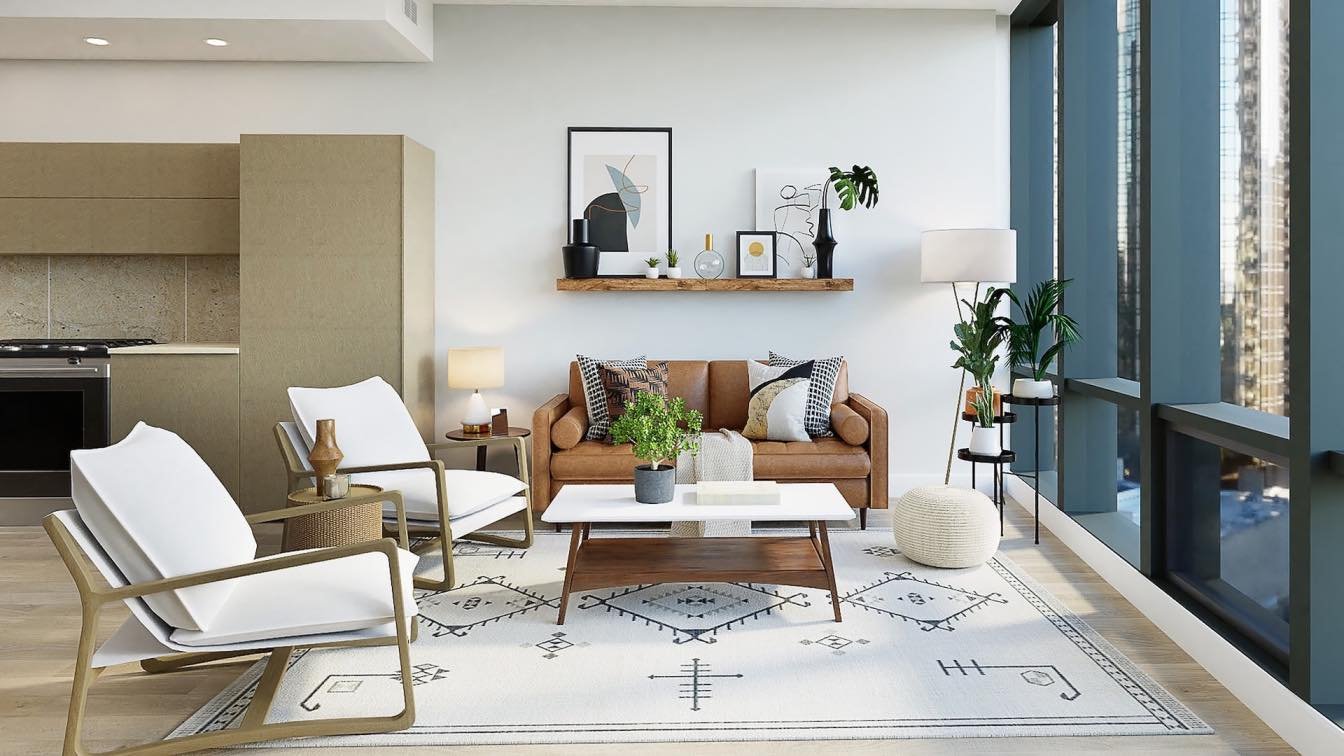
Accessorizing is one of the most impactful aspects of interior design, enabling homeowners to personalize their spaces while enhancing overall aesthetic appeal. Accessories encompass a diverse range of items, including artwork, lighting, rugs, and plants, each of which plays a pivotal role in transforming a house into a home. When chosen thoughtfully, these elements can infuse personality, warmth, and character into an otherwise austere area.
Artwork, for instance, serves as a focal point that can establish the mood of any room. Whether opting for an oversized canvas or a gallery wall of smaller pieces, incorporating art allows individuals to express their tastes and interests. Selecting works that resonate personally can significantly enhance the overall theme of the space.
Lighting is another crucial element of accessorizing that not only serves a functional purpose but also establishes ambiance. The right fixtures, whether they are chandeliers, floor lamps, or sconces, can elevate a space dramatically. Choosing varied light sources, including a combination of ambient, task, and accent lighting, helps create depth and visual interest.
Rugs add texture and comfort, contributing to the overall design while also delineating areas within open concepts. Selecting the appropriate size and style can enhance the room’s flow and tie together other accessories. Additionally, incorporating plants introduces natural elements and vibrant colors, making spaces feel more alive and inviting.
Layering accessories is essential for achieving a cohesive look. Consider varying the heights, shapes, and materials of the elements used, ensuring they support the overarching design theme. By integrating these accessories thoughtfully, you will not only complete your interior design but also cultivate an atmosphere that reflects your personality and priorities.
Ready to style your home? Discover our Interior Design Tips for Beginners now!
Create a beautiful, functional home – Explore Interior Design Tips for Beginners today!