





Transforming Your Walls with Decorative Paint Ideas: A Guide to Stylish Interiors
Understanding Decorative Paint: What It Is and How It Works
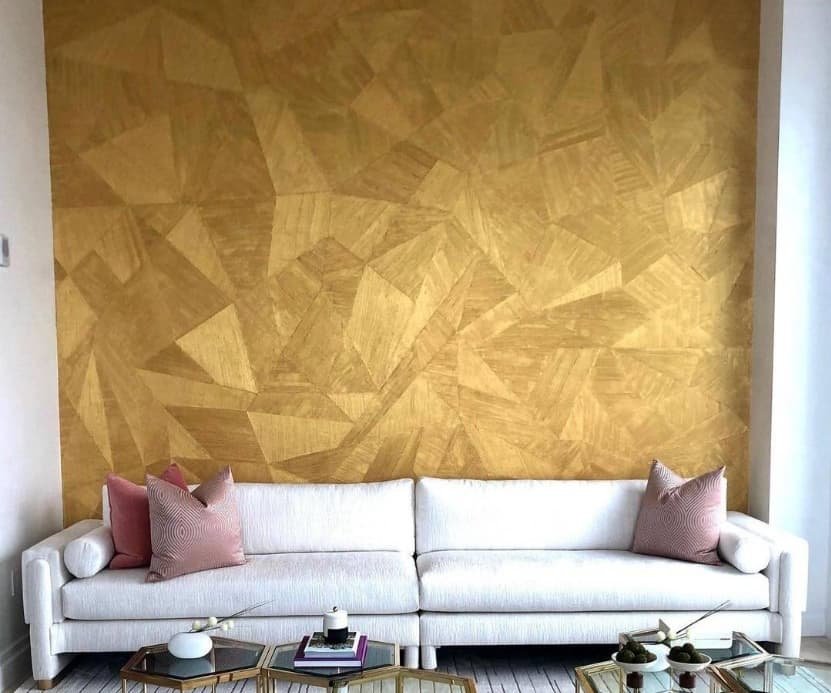
Decorative paint is a term that encompasses a variety of artistic painting techniques designed to enhance the aesthetic appeal of interior spaces. Unlike regular paint, which primarily serves as a protective and uniform color coating, decorative paint involves intricate methods to create unique visual textures and effects. These techniques can transform ordinary walls into statement pieces that reflect personal style and elevate the overall atmosphere of a room.
One of the significant advantages of using decorative paint in interior design is its versatility. Homeowners can choose from an array of styles, such as sponging, where a textured look is achieved by applying paint with a sponge, or stenciling, which allows small designs to be replicated with precision. Faux finishes are another popular technique, mimicking the appearance of materials like marble, wood, or stone, providing a luxurious feel without the cost of high-end materials.
These strategies not only beautify the wall surfaces but also have the power to influence the mood of a space. For instance, warm colors can create an inviting atmosphere, while cool tones may induce relaxation. The subtleties of decorative paint techniques can also draw attention to architectural features, making spaces appear more dynamic and engaging.
Moreover, decorative paint allows for experimentation with various textures and patterns, enabling homeowners to express their creativity. This approach can revive tired interiors, making them feel fresh and modern. Ultimately, selecting the right decorative paint technique can turn a simple wall into a captivating focal point, enhancing both aesthetics and emotional resonance within a living environment.
Popular Decorative Paint Techniques to Elevate Your Home Decor
Decorative painting offers an array of possibilities for homeowners looking to refresh their interiors. Three popular techniques—ombre effects, geometric patterns, and chalkboard paint—allow for innovative customization while enhancing aesthetics.
The ombre effect is characterized by a gradual blending of colors, creating a dreamy gradient on your walls. To achieve this look, you need a base color and one or two additional shades that contrast well. Begin by painting the wall with your base color, and once dried, use a sponge or brush to apply the additional shades, blending at the transition points to create a seamless effect. This technique not only adds depth but also a unique flair to any room.
Next, geometric patterns have gained popularity for their modern appeal. This technique involves using painter’s tape to create shapes on your wall, allowing for various designs to emerge. Choose colors in the same palette or complimentary hues for a striking effect. Ensure that you measure and mark where to place the tape accurately. After applying your first color, carefully peel the tape before the paint dries to yield crisp lines. This dynamic technique can energize spaces and can be tailored to any room style.
Chalkboard paint is another versatile choice that transforms walls into writable surfaces. Ideal for kitchens, home offices, or children’s playrooms, chalkboard paint allows for personalization. To execute this technique, clean the wall thoroughly, then apply the chalkboard paint with a roller for even coverage. After it dries, condition the surface by rubbing chalk on it and then wiping it off; this will help prepare it for future use. It’s not only functional but also provides an interactive element to your decor.
Each technique offers a unique way to elevate your home decor. When implementing these decorative paint ideas, remember to take your time, plan carefully, and enjoy the creative process, as each stroke adds character to your living space.
Choosing the Right Colors and Themes for Your Decorative Paint Projects
When embarking on decorative paint projects, selecting the ideal colors and themes is crucial for achieving a cohesive and stylish interior. To begin, understanding color theory is essential. This involves learning how different colors interact with one another and the psychological effects they may convey. For instance, warm colors such as reds and yellows can create inviting and energizing atmospheres, while cool colors like blues and greens tend to evoke calmness and tranquility.
Once you grasp the fundamentals of color theory, consider the existing decor of your space. It is beneficial to choose colors that either complement or contrast with your current furnishings and accents. Complementary color combinations can create a harmonious look, while contrasting palettes can add a dynamic flair to the room. Utilizing a color wheel can assist in identifying color relationships and aiding your selection process.
Incorporating current design trends is another avenue to explore, though opting for timeless classics is equally valid. While trends can provide inspiration, ensure that your choices align with your personal style and the overall function of the room. For instance, a living room may benefit from warmer tones to stimulate conversations, whereas a bedroom is likely better suited for cooler, serene hues.
Furthermore, considering the role of natural lighting is crucial in your decision-making process. Paint colors can appear differently depending on the light sources present in a room. Rooms with abundant natural light may make colors appear more vibrant, while spaces with limited light might benefit from lighter shades that can help brighten the area. Be sure to test samples in various lighting conditions before finalizing your choices.
DIY Tips and Tricks for Successful Decorative Painting
Embarking on a decorative painting project can be an exhilarating journey, but it requires meticulous planning and execution to ensure lasting results. The first and foremost step is to prepare your walls adequately. Begin by cleaning the surface to remove any dust, grease, or old paint residues. A clean surface is crucial for optimal paint adhesion.
Next, priming the walls is vital, particularly if you are covering darker colors with lighter shades or if you are painting on porous surfaces. Primers not only create a uniform surface but also enhance the longevity of your decorative paint. When selecting the right tools, invest in high-quality brushes and rollers suited for the specific type of paint you are using. For intricate designs, small detail brushes can significantly improve your accuracy.
To avoid common pitfalls, take the time to plan your design in advance. Sketch out your ideas and consider using painter’s tape to define lines and edges. This technique can assist in creating sharp, clean finishes. Moreover, always apply paint in thin layers, allowing adequate drying time between coats. This method reduces the likelihood of drips and uneven textures. If you find yourself stressed about the project duration, opt for time-saving techniques like using spray paint for larger areas and stenciling for patterns instead of freehand painting.
Once your decorative painting is complete, maintain its vibrancy by regularly dusting and cleaning the surfaces. Avoid abrasive cleaning tools that might dull the finish. A gentle, damp cloth will suffice for routine maintenance and help keep your beautifully painted walls looking fresh for years to come. By following these DIY tips and tricks, you are better equipped to transform your interiors into stylish spaces with confidence.
Transform any room with decorative paint – Discover inspiring designs now!
Upgrade your interiors with style – See top decorative paint techniques!