







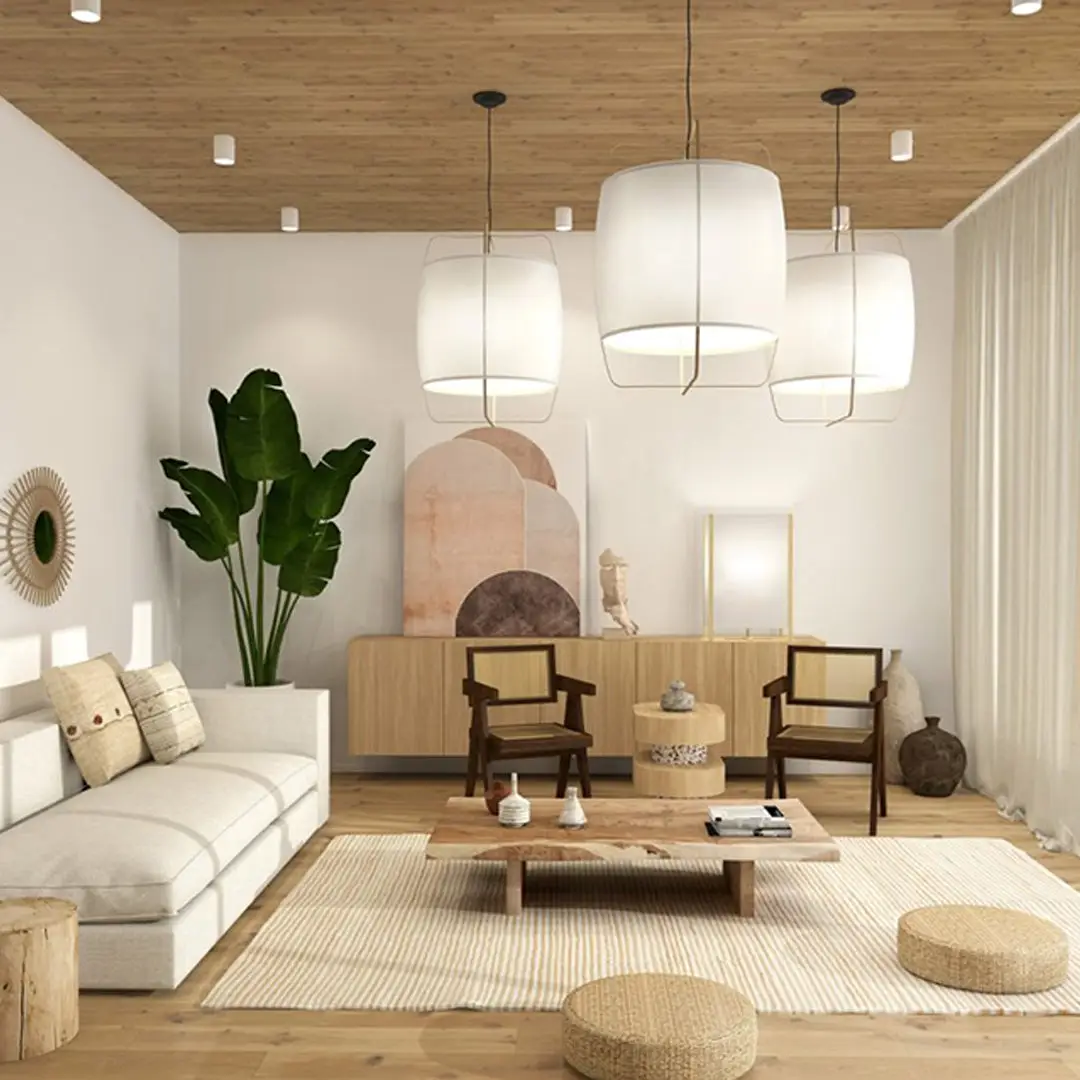
Japandi Interior Design: The Beautiful Fusion of Scandinavian Minimalism and Japanese Elegance
Understanding Japandi Design
Japandi Interior Design represents a sophisticated fusion of two highly appreciated styles: Scandinavian minimalism and Japanese elegance. As the name suggests, this interior design trend emerges from a cultural blend that emphasizes simplicity, functionality, and a deep appreciation for nature. The roots of Japandi design can be traced back to the philosophies that underpin both Scandinavian and Japanese aesthetics, drawing from their shared values of craftsmanship, sustainability, and minimalism.
Scandinavian minimalism is characterized by clean lines, functional furniture, and an emphasis on light and space. It promotes a lifestyle that values simplicity, comfort, and a connection to the outdoors. This approach is often marked by the use of natural materials, soft neutral colors, and a design ethos that prioritizes purpose without compromising on style.
On the other hand, Japanese interiors are renowned for their warm, inviting ambiance, achieved through the use of natural elements such as wood and stone, paired with a careful selection of decorative objects. The Japanese concept of “wabi-sabi” celebrates imperfection and transient beauty, fostering an appreciation for artisanal craftsmanship and the essence of time.
The synthesis of these two styles in Japandi design results in a harmonious environment that balances the minimalistic pragmatism of Scandinavian design with the warmth and elegance typical of Japanese aesthetics. This design philosophy is not only visually appealing but also promotes a serene lifestyle, encouraging individuals to reflect on their spatial surroundings while embracing simplicity and tranquility. By marrying these two influential styles, Japandi creates spaces that are not only functional and beautiful but also a testament to a mindful and intentional way of living.
Key Elements of Japandi Style
Japandi interior design harmoniously intertwines the minimalist essence of Scandinavian aesthetics with the understated elegance of Japanese decor. This fusion is primarily marked by several key elements that define the style, making it both functional and inviting.
One of the most significant components of Japandi style is its color palette. The design typically employs neutral tones and natural hues, drawing inspiration from the calming elements of nature. Soft beiges, warm grays, muted greens, and earthy browns cultivate a serene atmosphere while providing a versatile background for various decorative elements. These colors not only enhance tranquility but also foster a connection to the natural world, which is a core principle rooted in both Japanese and Scandinavian philosophies.
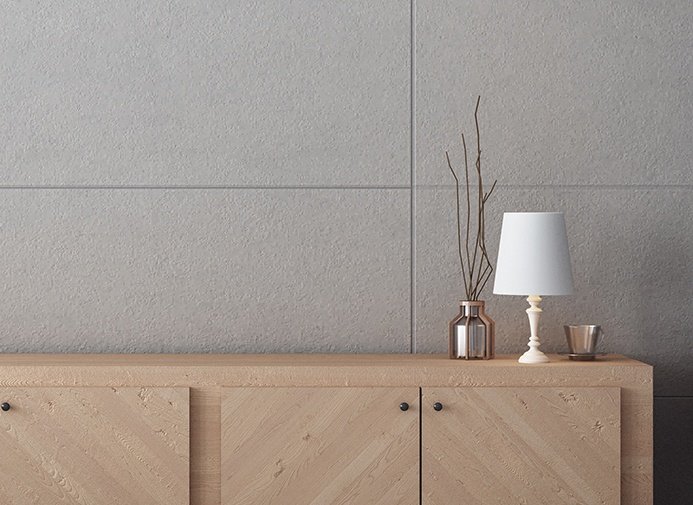
Materials play a crucial role in completing the Japandi aesthetic. Wood is prominently featured throughout the decor, embodying warmth and organic beauty. Often, this is complemented by textiles such as linen and cotton, which add comfort and softness. The choice of materials reflects a commitment to sustainability and artisanal craftsmanship, values deeply ingrained in both cultures.
Furniture within this design style is carefully selected to balance functionality and beauty. Pieces are often low-profile, with clean lines that avoid clutter. The focus on usability ensures that each item serves a practical purpose while contributing to a cohesive and harmonious space. This characteristic is reminiscent of the Scandinavian emphasis on straightforward design and the Japanese inclination towards simplicity.
Lastly, decorative elements further enhance the Japandi style, placing a strong emphasis on natural light and greenery. Large windows invite natural light, creating an airy ambiance, while the inclusion of plants adds a touch of life and vitality. This interaction with nature helps to achieve the tranquil yet invigorating atmosphere celebrated in Japandi interiors.
Creating a Japandi Space: Tips and Techniques
Incorporating Japandi elements into your home involves careful selection and arrangement of furniture, colors, and materials. To begin your journey of creating a Japandi-inspired interior, focus on choosing furniture that blends both Scandinavian minimalism and Japanese elegance. Opt for low-profile furniture with clean lines, natural materials, and neutral tones. Pieces crafted from wood, such as bamboo or oak, exemplify the aesthetic of simplicity and warmth essential to this design style.
Next, consider your color palette. The Japandi style thrives on a serene balance of muted tones—think soft grays, whites, earth tones, and splashes of dark colors for contrast. When integrating colors, aim for harmony and simplicity. Use lighter shades for larger areas, such as walls and floors, while reserving darker colors for accents, such as cushions or decorative objects. This helps achieve a tranquil atmosphere while adhering to the principles of minimalism.
Materials also play a significant role in creating a Japandi space. Incorporate textiles such as linen, cotton, and wool for upholstery and soft furnishings. Natural fibers not only enhance the comfort of your interior but also resonate with the organic aspect of Japandi design. Additionally, include subtle decorative elements like handcrafted items, which can serve as focal points without overwhelming the space.
When organizing your spaces, prioritize functionality and a clutter-free environment. Ensure that each piece of furniture serves a purpose, keeping only essentials that contribute to comfort and functionality. To achieve balance between minimalism and warmth, introduce natural light wherever possible, and consider incorporating plants to add life and a sense of serenity to your space. By following these tips, you will be well on your way to creating a harmonious Japandi-inspired home that embodies both simplicity and elegance.
The Benefits of Japandi Interior Design
Japandi interior design seamlessly combines the principles of Scandinavian minimalism with the elegance of Japanese aesthetics, creating a harmonious living environment that offers numerous benefits. One of the foremost advantages of adopting this design style is the promotion of mindfulness and tranquility. By integrating natural materials, neutral color palettes, and carefully curated decor, Japandi encourages a serene atmosphere that helps individuals focus and relax in their surroundings. The emphasis on simplicity is essential for cultivating a peaceful space, where clutter is minimized and mindfulness is prioritized.
Another significant benefit of Japandi interior design is the improvement in functionality and decluttering. This design philosophy embodies the notion that every item should serve a purpose, thereby necessitating a conscious selection of furnishings and decor. Such thoughtful curation not only optimizes the available space but also fosters a more organized lifestyle. Japandi’s approach to decluttering helps create an environment where individuals can thrive, as the reduction of physical distractions contributes positively to mental clarity and productivity.
Emphasizing sustainability, Japandi interior design also aligns well with modern eco-conscious living. The focus on natural materials such as wood, bamboo, and organic textiles resonates with those looking to reduce their carbon footprint. By choosing furniture and decor that are ethically sourced and sustainable, individuals can create a home environment that reflects their commitment to environmental responsibility. Additionally, a cohesive home layout achieved through Japandi principles serves to enhance social interactions and creativity, providing an inviting space ideal for gatherings, relaxation, and inspiration. Thus, embracing the Japandi aesthetic not only enriches personal living spaces but also promotes a harmonious, sustainable lifestyle.
Transform your home with Japandi style – Explore our design tips and ideas now!
Bring minimalist elegance to your home – Discover Japandi Interior Design today!