


Interior Design Trends 2026: Top Styles and Colors
Emerging Interior Design Styles for 2026
Interior Design Trends in 2026 are set to evolve significantly, driven by innovative concepts and a growing focus on sustainability and functionality. One of the most prominent trends shaping the landscape is biophilic design, which emphasizes a harmonious connection between indoor environments and the natural world. By incorporating natural elements such as plants, water features, and abundant natural light, biophilic design not only enhances aesthetic appeal but also improves well-being and productivity, making it a compelling choice for both residential and commercial spaces.
Additionally, the resurgence of retro styles, now reimagined for contemporary living, is gaining traction. Designs from the mid-20th century are being infused with modern materials and technology, creating a nostalgic yet fresh vibe. This blending of past and present offers a unique opportunity for homeowners and designers to express individuality while embracing enduring aesthetics.
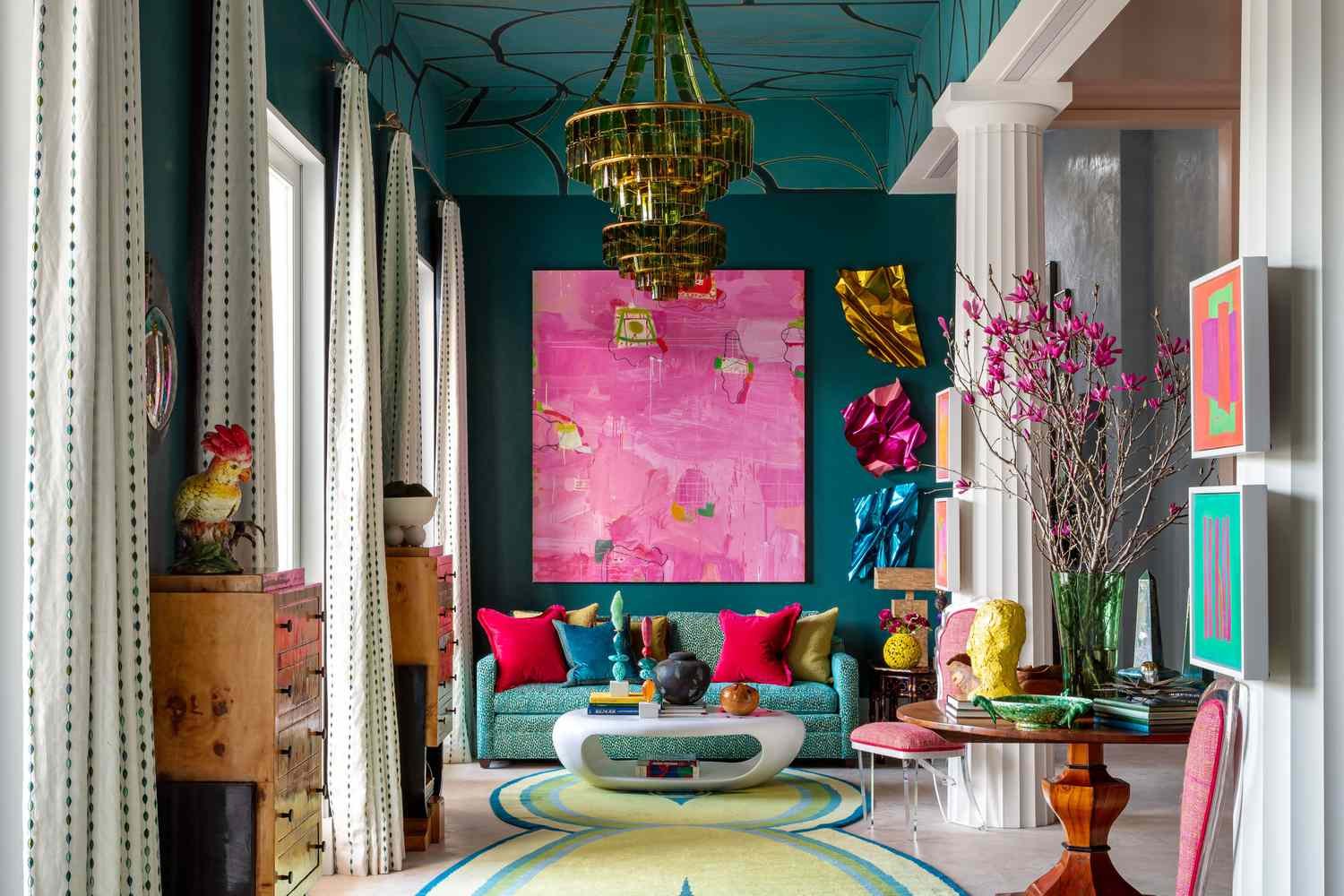
Global culture also plays a vital role in shaping the interior design trends of 2026. As ideas and traditions from around the world interconnect more than ever before, eclectic spaces that showcase culturally inspired textiles, art, and colors are becoming increasingly popular. Such cultural blends not only enrich interior spaces but also foster a sense of global community and understanding.
Another noteworthy trend is the evolution of minimalism. While traditional minimalism focuses on stripping spaces of excess, the future embraces a more nuanced approach by integrating warmth and personality without compromising on simplicity. This evolution allows for the expression of individual aesthetics while maintaining functional design elements, ensuring a balance between beauty and practicality.
Color Palettes to Watch in 2026
As we look ahead to 2026, interior design color trends will shift towards an amalgamation of soothing earth tones and bold, vibrant hues. The prominence of soft, earthy tones such as sage green, terracotta, and warm beige will reflect a growing desire for serenity and tranquility within residential and commercial spaces. These colors not only evoke a sense of calm but also create an inviting atmosphere, allowing individuals to escape the hectic pace of modern life.
In contrast to these subdued shades, brighter colors will emerge as a powerful statement in interior design. Vivid hues like rich cobalt blue, fiery coral, and dynamic mustard yellow are expected to signify creativity and inject energy into spaces. These bold choices enable homeowners and designers to express personality and artistic flair, making them particularly appealing in areas such as home offices or creative studios, where inspiration is paramount. The delicate balance between calmness and stimulation can be easily achieved by harmoniously integrating both palettes.
Moreover, understanding the psychological impact of color will play a crucial role in the establishment of these trends. Research indicates that colors can influence mood and behavior; therefore, the choice of a particular palette should be carefully considered based on the intended function of the space. Seasonal preferences will also dictate the popularity of certain colors. For instance, warm tones may prevail during autumn, while cooler, muted shades might be favored in winter. Interior designers are increasingly incorporating these shifts and trends into their recommendations, ensuring that clientele feel supported in their color selections.
In conclusion, the color palettes for 2026 will offer an exciting dichotomy of tranquility and vibrancy, allowing for an enriched interior design experience. Homeowners and designers alike should focus on balancing these hues to manifest both comfort and creativity in their chosen environments.
Sustainable and Eco-Friendly Design Trends
As the focus on environmental responsibility continues to grow, the importance of sustainable and eco-friendly design trends in interior design is becoming increasingly apparent in 2026. Homeowners and designers alike are recognizing the need to create living spaces that not only reflect personal style but also prioritize environmental well-being. One of the most notable trends in this area is the use of sustainable materials. By opting for eco-friendly alternatives such as bamboo, reclaimed wood, or recycled metal, designers can create beautiful spaces that minimize ecological impact.
Another significant aspect of sustainable design is the incorporation of energy-efficient appliances and systems. This includes not just the installation of energy-saving devices but also intelligent home technologies that optimize energy usage. Thermally efficient windows, LED lighting, and smart thermostats are just a few examples of how modern advancements can contribute to a greener home. The integration of these features is encouraging homeowners to invest in solutions that promote long-term energy conservation and reduce power consumption.
Furthermore, the practice of upcycling furniture and utilizing sustainable textiles is gaining traction among conscious consumers. Upcycled furniture not only adds charm and character to a space but also reduces waste by giving new life to previously discarded items. Alongside this, choosing organic and natural textiles for upholstery, curtains, and bedding can enhance the ecological sustainability of the home. These textiles often bear certifications that assure their environmentally friendly production process.
In conclusion, embracing sustainable practices in interior design is no longer just a trend; it is becoming an essential aspect of how we approach creating our living spaces. As we move into 2026, the synergy between aesthetics and sustainability will continue to shape the future of interior design, providing environmentally responsible options that do not compromise style or functionality.
Tech Integration in Interior Design
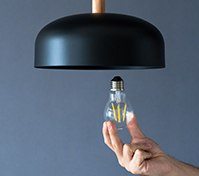
As we progress into 2026, the influence of technology on interior design is becoming increasingly pronounced. Innovations such as smart home systems are not only enhancing the functionality of spaces but are also revolutionizing the way we experience everyday living. Automated lighting systems, for instance, now offer homeowners the ability to control lighting intensity and color from their devices, enabling an ambiance that can be tailored to fit various moods and occasions.
Climate control technology further contributes to this enhancement, allowing for personalized heating and cooling solutions that can be adjusted according to individual preferences and schedules. Such integration of smart technology translates to improved energy efficiency, an essential aspect in modern design considerations that aligns with sustainability goals.
Moreover, security systems integrated within the home design reflect a shift towards ensuring safety while maintaining aesthetic appeal. Cameras, motion detectors, and secure locking mechanisms can be discreetly woven into the design elements of a space, allowing for advanced protection without compromising on style.
Beyond these innovations, virtual and augmented reality (VR and AR) are emerging as powerful tools in the planning stages of interior design. These technologies allow designers and clients to visualize spaces in a dynamic way, offering immersive experiences that can significantly influence decision-making. By using VR, clients can walk through their proposed designs, experiencing the scale and flow of spaces before they are finalized.
Additionally, AR can help clients imagine how different colors, textures, and furniture would look in their actual living environments. This enables a level of customization and experiential design that has not been seen before, making the process more interactive and engaging for clients.
In conclusion, as we approach 2026, the integration of advanced technology in interior design is poised to transform spaces into not just aesthetically pleasing environments but also efficient and secure homes that enhance the quality of life for their inhabitants.
Discover the latest interior design trends and give your home a stylish makeover!